
European Economic
and Social Committee
EESC PLENARY: The New Pact for the Mediterranean is designed to improve young people’s future
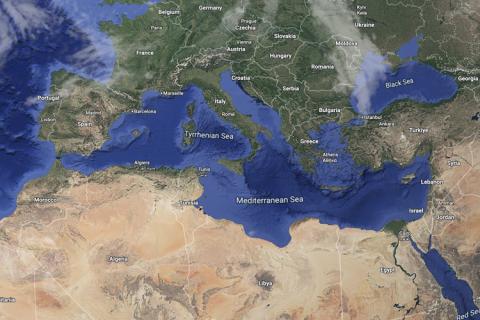
At its plenary session on 18 September, the European Economic and Social Committee (EESC) adopted an opinion on A new Pact for the Mediterranean, a month ahead of its official launch by the European Commission. The Committee calls for bottom-up processes ensuring that the pact has a direct, positive impact on all people, especially on youth.
The New Pact for the Mediterranean aims to deepen cooperation between the EU and Southern Mediterranean countries grounded in mutual respect and shared priorities. It is designed through a people-centred strategic framework, emphasising inclusive participation and sustainable development. Young people should play a key role in all stages of policy-making.
The presentation and adoption of the EESC opinion were linked to a debate on the state of play of the new pact for the region, hosted during the EESC plenary, with the Director of the Commission’s Directorate General for the Middle East, North Africa and the Gulf, Stefano Sannino. He explained that the new pact was based on three pillars: people, including education and vocational training, economic cooperation, including renewable energy and green technologies, and security, resilience and migration management.
The debate was chaired by Krzysztof Pater, former EESC Vice-President (2023-2025) and member of its Civil Society Organisations’ Group. He underlined that the Pact must be ambitious, coherent and forward-looking, addressing the region’s structural economic weaknesses, while also fostering resilience, sustainability and social inclusion.
Several members of the EESC’s Civil Society Organisations’ Group took the floor during the plenary debate:
Lidija Pavić-Rogošić, co-rapporteur of this opinion and vice-president of the Group, urged members to view this as a gateway to peace, democracy and rule of law. In her own words, the New Pact for the Mediterranean must deliver inclusive action, equity and shared prosperity, built
with
people, not for them. The Mediterranean is our shared destiny, where inclusive vision, equitable growth, civic co-authorship and collective accountability shape a future of human-centred prosperity, lived solidarity and real impact built with communities.
Michael McLoughlin stated that the Mediterranean has one of the youngest populations globally and they have been central to its development. However, they remain poorly represented and excluded from decision-making. Our work seeks to change that, and it must guide all EU action in the region
.
Pietro Vittorio Barbieri, vice-president of the Group, echoed the considerations of his colleagues regarding the importance of risk prevention. More specifically, he believes that as Europe we have done little for the Israel-Palestine conflict and this is a step towards us becoming more present in the area and contributing meaningfully.
Luca Jahier said that we expect this new pact to become a new start for constructive relations in this crucial area. A real partnership – a new alliance in a time of tension, conflict, migration, war and a chance for common challenges to be transformed into joint opportunities that explore education, climate change, energy, water, democracy, peace, stability and sustainable prosperity.
Read the EESC’s press release: https://www.eesc.europa.eu/en/news-media/news/new-pact-mediterranean-designed-improve-young-peoples-future
Watch the debate at: https://www.europarl.europa.eu/streaming/?event=20250918-0900-SPECIAL-OTHER
Article co-authored with EESC press service