
European Economic
and Social Committee
CURRENT AFFAIRS: Forest fires in the EU

More production in rural areas means greater protection
When temperatures rise, Europeans unfortunately find themselves confronted by a recurring series of tragic images: forests and landscapes devoured by flames, families forced to leave their homes, farmers losing their crops and animals, and firefighters risking their lives for days on end in extreme conditions.
When it comes to rural wildfires, the European Union cannot afford to remain reactive when it comes to tackling this scourge, even though it has demonstrated its ability to mobilise assets at scale when Member States require an emergency response and solidarity. There is an urgent need to invest in prevention, which has been greatly undervalued. Prevention offers the best means of reducing the impact and scale of wildfires and preventing a repeat of the devastating scenes we have witnessed.
As the European Economic and Social Committee has argued in its work on an EU approach to integrated wildfire risk management (EESC opinion NAT/989), there is no doubt that a specific European fund, completely separate from the Common Agricultural Policy (CAP), is needed to prevent rural wildfires.
This instrument should serve as a source of funding, organised on an ongoing basis, to support the implementation of preventive measures, thereby enabling the CAP to focus on what should be its priority: ensuring better incomes for farmers and foresters and thereby helping to ensure that these activities are not abandoned.
Farmers’ essential role in this prevention strategy should be recognised once and for all.
The abandonment of agricultural land and depopulation increase the risk of wildfires. Creating public policies that guarantee fair and sustainable incomes for farmers therefore means keeping people in rural areas and ensuring that there is someone there to take care of the landscape throughout the year.
Preventing rural wildfires means valuing those who live and work in rural areas and creating the conditions for rural communities to remain alive and active.
Wildfires destroy biodiversity, undermine territorial cohesion, condition ecosystems and impact the rural economy: if we want safer, more resilient and more vibrant rural areas, we need to put prevention at the heart of European policies.
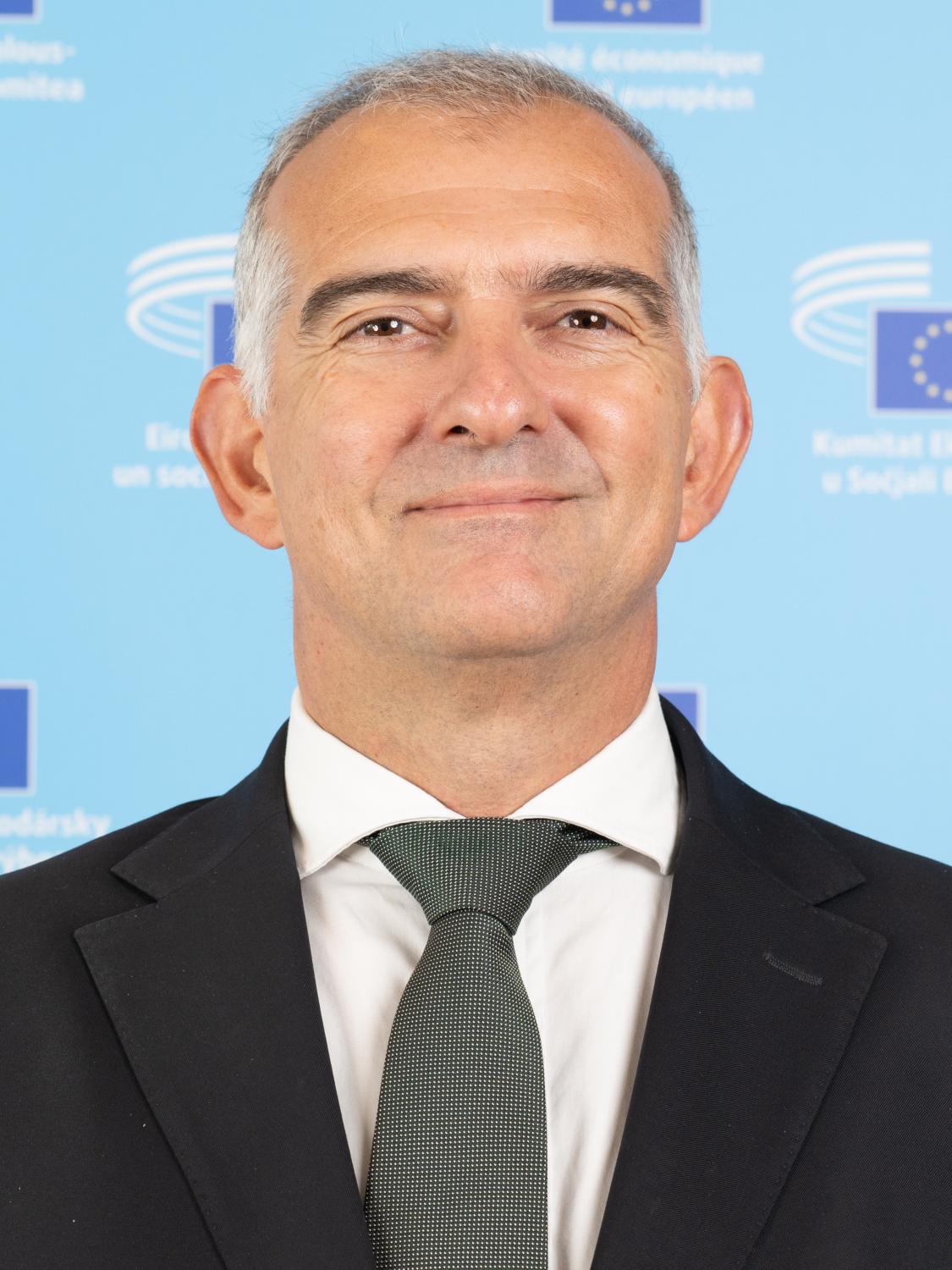
Nuno SERRA (Portugal)
Member, EESC Civil Society Organisations' Group
Member, EESC study group NAT/989 EU approach to integrated wildfire risk management
Secretary-general, Portuguese National Confederation of Agricultural Cooperatives and Agricultural Credit (Confagri)
© EU/EESC