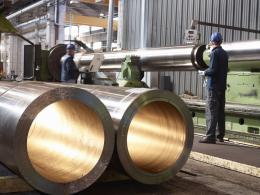
Europe’s steel industry is facing serious challenges with wide-reaching implications. Without swift and decisive action, factories could close, jobs be lost, and the EU’s strategic autonomy in defence, clean energy and digital technologies threatened. The European Economic and Social Committee (EESC) calls on the European Commission to strengthen trade safeguards, reform energy policies and support investment in low-carbon production.
EESC calls for integrated EU strategy linking environment, food and health policies to safeguard citizens’ wellbeing.
At its September plenary, the European Economic and Social Committee (EESC) adopted an own-initiative opinion on One Health, setting out a comprehensive vision for how Europe can protect human wellbeing in the face of mounting environmental and health threats.
We fully support KOZ SR and Slovak workers in their fight for fairness, social dialogue, and the protection of labour rights. We join their call that workers must not be forced to repeatedly bear the heaviest burden of government decisions.
Display date
6 months 3 weeks ago
Strengthening European values in candidate countries by supporting the public service sector and empowering social partners and civil society
underlines the need for additional efforts to promote entrepreneurship and business development more broadly, including the incorporation of a scaling-up perspective in all business-related policy and regulatory initiatives;
stresses the importance of the better regulation principle, guided by thorough impact assessments that cover entire value chains and all stages of the legislative process; it calls for proper implementation and follow-up of an innovation stress test and a competitiveness check;
calls for a thorough review to identify and remove both legislative and non-legislative obstacles that hinder entrepreneurs from seizing a second chance after business failure.