Undermining democracy will not make the European Union more competitive. In an increasingly challenging geopolitical landscape, building resilience to disinformation, fostering critical thinking and empowering civil society are essential to safeguarding European values, an EESC conference for civil society communicators concluded
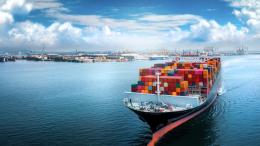
Europe's maritime ecosystem, which encompasses shipping, maritime manufacturing, ports and the wider waterborne value chain, is a strategic pillar of the Union's economy, security and resilience. Shipping carries around 90% of global trade, making it indispensable for Europe's energy and food security, industrial supply chains and economic prosperity. These sectors are deeply interconnected: a globally competitive shipping industry creates demand for a strong European maritime manufacturing base, while an innovative industrial base reinforces Europe's leadership in shipping.
This fundamental question was at the heart of the roundtable of the EESC Connecting EU seminar on "Made in the EU: competitive, social and sustainable" held in Sofia on 6 July 2026. The discussion highlighted a simple but often overlooked reality: Europe's economic strength, social cohesion and environmental ambitions are deeply interconnected.
emphasises that satellite Position, Navigation and Timing services together with Earth Observation services, are vital assets for the EU single market;
recognises the value of a strategy for the development and deployment of Small Modular Reactors (SMRs) in Europe;
believes that the European strategy for SMRs should be based on standardisation requirements by product family, provided that the highest safety standards are upheld;