COMMUNICATION FROM THE COMMISSION TO THE EUROPEAN PARLIAMENT, THE EUROPEAN COUNCIL, THE COUNCIL, THE EUROPEAN ECONOMIC AND SOCIAL COMMITTEE AND THE COMMITTEE OF THE REGIONS The road to the next multiannual financial framework
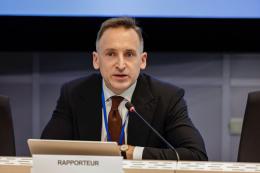
As Europe faces an increasingly volatile geopolitical landscape, the need for a strong, unified approach to defence funding has never been more urgent. In response to a request from the upcoming Polish Presidency of the Council of the EU and at a time of escalating security threats, the European Economic and Social Committee (EESC) has adopted an opinion calling for decisive action: strengthen EU defence through substantial investment in modern systems, deepen cooperation with NATO, and secure increased funding within the broader EU financial framework.
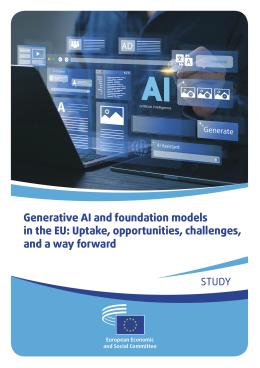
Exploring the evolving landscape of generative artificial intelligence (GenAI) within the European Union, this study delves into technological advancements, market dynamics, and regulatory challenges. It highlights the EU’s position in the global GenAI ecosystem, revealing significant US dominance, while uncovering sector-specific opportunities and risks across industries such as automotive, renewable energy, and education.
Cohesion policy has been key to European integration, fostering unity across the EU. As the post-2027 MFF develops, modernising it is crucial for efficiency, sustainability, and adaptability. The EESC urges a results-driven approach to ensure tangible benefits, reduce inequalities, and boost sustainable competitiveness.