This debate gathered representatives from the EU food chain, EU cities' organisations, the Committee of the Regions, different DGs of the European Commission, and members of the EESC PG representing organized civil society, with the aim to collect views on the objectives and the structure of the food dialogues, as well as on topics to be discussed during these dialogues, in an attempt to support the work of DG AGRI towards the organisation of the food dialogues.
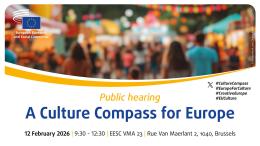
This public hearing will aim to present and discuss the European Commission’s proposal for a Culture Compass for Europe, a new strategic framework intended to place culture at the heart of EU policymaking. The event will gather key institutional actors, civil society organisations, social partners, and experts to reflect on the Compass’s priorities and to contribute to the preparation of the EESC Opinion (SOC/853).
The EESC has adopted an opinion pointing out that nuclear energy is an essential component of the clean energy mix which is needed to phase out fossil fuels. The Committee calls on the European Commission to include key regulatory and financial enablers in order to make the planned investment possible, and to enhance transparent dialogue with civil society.