EESC's EU Consumer Day 2025 pointed to the urgent need to protect EU markets from an avalanche of cheap imports shipped by Temu, Shein and other third-country e-commerce platforms which are threatening to devastate the European economy and society, forcing European businesses to close and draining billions from public budgets
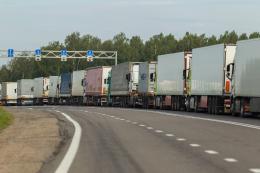
For Bulgaria and Romania, the costs of not being full members of the Schengen area are counted in billions of euros. The transport and tourism sectors of both countries are most affected and checks at land borders create huge barriers for Romanian and Bulgarian companies, restricting their competitiveness and preventing them from fully reaping the benefits of the single market
The European Economic and Social Committee is calling on the European Commission to carry out more targeted impact assessments of its proposals for new EU budget funding sources to repay NextGenerationEU debt. The EESC generally agrees with the proposed EU "own resources" revenues for the budget. However, they need to be stable and fair – and should not burden households or businesses.
"Cohesion policy 2028–2034: A new fund, a new framework, a new role for civil society?" brings together EU institutions, social partners and civil society representatives to reflect on the future of cohesion policy in the next Multiannual Financial Framework. The hearing explores proposals for reforming cohesion funding and governance, assesses the implications of the new framework through the National and Regional Partnership Plans and examines how civil society organisations can play a stronger role in the design, implementation and monitoring of cohesion policy. The discussion aims to identify how cohesion policy can continue to deliver territorial, social and economic cohesion while responding to new challenges and transitions facing the European Union.
Public debate in the ECO Section on the Latest twists and turns on the road to the next Multiannual Financial Framework in the framework of the opinion ECO/682 Multiannual financial framework 2028-2034.
The public hearing will examine how national, local and civil society actors will work together to foster collaboration through partnership principle and multi-level governance in order to deliver more inclusive, sustainable, and resilient outcomes across all regions.