The new head of the EESC is a convinced European with EU experience spanning two decades and considerable expertise in social matters, who firmly believes that the EU's civil society has the power to contribute to Europe's post-COVID-19 recovery and future resilience.
Unidos por el futuro de Europa: la nueva presidenta está decidida a reconstruir la unidad y el prestigio del CESE y a demostrar el valor añadido que supone su influencia en la elaboración de las políticas de la UE
An official of CGIL, she is a member of the Workers’ Group
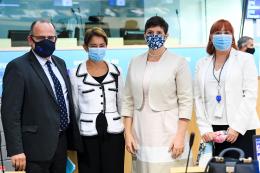
Giulia Barbucci, a member of the European Economic and Social Committee since 2015, has been elected vice-president by the plenary assembly. She is committed to ensuring moderate and transparent management of the budget. Her main priorities for action are gender equality and the protection of workers.
The new Group presidents have been elected following the vote held on the first day of the inaugural plenary session of the European Economic and Social Committee (EESC) and will serve for the 2020-2023 period of the coming term of office.
The European Economic and Social Committee (EESC) takes careful note of the European Parliament's vote not to grant the 2018 budget discharge and, whilst regretting the situation that led to this refusal, reiterates its firm commitment to fighting harassment and misconduct in the workplace.
El Comité Económico y Social Europeo (CESE) ha aprobado el Dictamen Salarios mínimos dignos en toda Europa después de que el Parlamento Europeo solicitase un dictamen exploratorio. La solicitud se presentó después de que la Comisión anunciara que estaba estudiando la posibilidad de proponer un instrumento jurídico para garantizar que todos los trabajadores de la UE tengan derecho a un salario mínimo que permita un nivel de vida digno.
El 30 de septiembre finaliza el plazo para la presentación de candidaturas a este galardón, que premiará un proyecto de cada Estado miembro de la UE y del Reino Unido.
El 17 de septiembre, el Comité Económico y Social Europeo (CESE) celebró una ceremonia de fin de mandato en el transcurso de su último pleno antes de su renovación en el mes de octubre. Luca Jahier, presidente del CESE desde abril de 2018, expresó su agradecimiento a todos los miembros y destacó la importancia que reviste la contribución de las organizaciones de la sociedad civil representadas en el CESE al proyecto europeo.
The Economic and Social Councils (ESCs) will be at the forefront of democratic participation in the Conference on the Future of Europe, without which any reform will be doomed to fail: this was the point made repeatedly by a number of leading French and European politicians in a videoconference between Paris and Brussels on 9 September.