En su pleno de junio, el Comité Económico y Social Europeo (CESE) recomendó reformar el mercado de la electricidad de la UE liberalizándolo siempre que se pueda y regulándolo cuando sea necesario. La prioridad principal es garantizar un suministro básico de energía asequible a precios regulados.
On 12 June, the EESC launched its first event on fighting disinformation, kick-starting an awareness-raising campaign ahead of the European Parliament elections in 2024. The event, which gathered prominent figures from the civil society, media and youth organisations, highlighted the need for a more bottom-up approach with a strong civil society network countering disinformation on the ground. However, political awareness and solid legislative framework together with independent media are also crucial in the fight against fake news penetration.
Lack of media coverage, problems in reaching citizens, financial difficulties and uncertain political follow-up were among the ECI issues discussed at the European Economic and Social Committee.
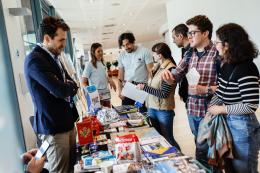
El sábado 6 de mayo, por primera vez desde la pandemia, el Comité Económico y Social Europeo (CESE) abrió sus puertas al público para celebrar Europa y debatir el futuro de la Unión Europea.
Con ocasión del Día Mundial de la Seguridad y la Salud en el Trabajo de 2023, el Comité Económico y Social Europeo pide a la Comisión Europea que adopte normas vinculantes para prevenir los riesgos psicosociales en el lugar de trabajo. Cada vez son más los indicios que apuntan a que el trabajo precario está afectando significativamente a la salud mental de los trabajadores. La petición se formuló en el pleno de ayer del CESE, que dirigió por primera vez el recién elegido presidente, Oliver Röpke.
In an opinion debated and adopted in plenary, the European Economic and Social Committee renewed its request for reform of the European Semester. The opinion, which draws on a recent consultation undertaken in 23 different Member States, calls for an EU regulation to make civil society involvement in the cycle mandatory.
A former Polish Minister for Social Policy and current President of the Polish Scouting and Guiding Association (ZHP), Mr Pater was elected to the post today by the plenary assembly of the European Economic and Social Committee (EESC), of which he has been a very active member since 2006.
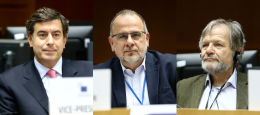
En el pleno de abril del Comité Económico y Social Europeo (CESE) se eligió al nuevo vicepresidente responsable de Comunicación para el período 2023‑2025.
The president vows to make the European Economic and Social Committee a true civil society gateway and open its doors to the EU accession countries. In the run-up to the 2024 European elections, the Committee will take on a more active role to stand up for democracy and strive for a more resilient, prosperous and inclusive Europe.
Speaking at an event marking 30 years of the single market, Mr Monti said this anniversary afforded an opportunity for EU institutions to call out the European Council and expose national governments' attempts to hide behind the imperfections of the single market while paying lip service to it.