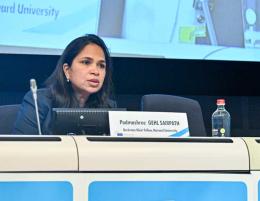
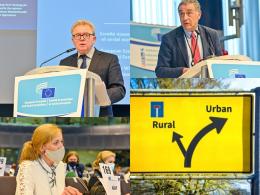
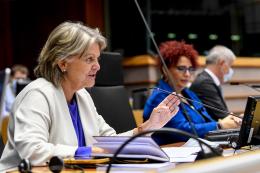
The two-day European Migration Forum (EMF), held virtually by the European Economic and Social Committee (EESC) and the European Commission, stressed the indispensable role of migrants during the pandemic and the great potential of their contribution to the EU's economic and social recovery after the COVID-19 crisis.
El CESE pide a los responsables políticos que apliquen una estrategia global y holística que favorezca un desarrollo rural y urbano equilibrado, cohesionado, equitativo y sostenible. Esto requerirá aprovechar el papel de las comunidades locales, impulsar las industrias tradicionales y crear nuevas actividades económicas y oportunidades de empleo en las zonas rurales, fomentando al mismo tiempo las sinergias con las zonas urbanas. El Dictamen aprobado sobre este tema contribuirá a la aplicación de lavisión a largo plazo para las zonas rurales de la UE presentada el pasado mes de juniopor la Comisión.
In a plenary debate on the future of EU trade policy in a changing global reality, the EESC stressed that open, fair, inclusive and sustainable trade is the only trade that will deliver a resilient recovery and bring prosperity to business and people. It also acknowledged the key role of the World Trade Organisation towards this effort.
With rising energy prices having an ever-increasing impact on businesses, workers and civil society at large, the European Economic and Social Committee (EESC) welcomes the European Commission's toolbox to mitigate the negative effect. EESC is also pleased that the document echoes a number of its proposals and calls for care to be taken to ensure that no one is left behind.
The EESC's Western Balkans Civil Society Forum, which took place in Skopje on 30 September and 1 October, put the spotlight on the need for a clear EU accession perspective for the region and the role civil society should play in this process.
Prior to tomorrow's adoption of migration related communications by the European Commission, the European Economic and Social Committee (EESC) recalls the need for a common European framework for migration management that is effective, focusses on both external borders and legal migration pathways and is in line with EU's values. The EESC welcomes the existing monitoring done by the Commission as this provides the factual basis for future policy measures
The September plenary of the European Economic and Social Committee (EESC) hosted a debate on EU cohesion policy, where all participants agreed that the recovery must address the socio-economic inequalities that the COVID-19 crisis has exacerbated.
In a plenary debate with Reporters without Borders and the European Federation of Journalists, the EESC reaffirmed its commitment to supporting the pluralism and freedom of the media and guaranteeing absolute safety for journalists, amid alarming developments across the EU which have in the past few years claimed several reporters' lives.
Ahora que Europa retoma lentamente su senda tras la crisis de la COVID-19, es hora de pasar de las palabras a los hechos y aplicar la Estrategia «De la Granja a la Mesa». El Comité Económico y Social Europeo (CESE) aboga firmemente por apoyar la transformación de los sistemas alimentarios europeos para que sean más sostenibles desde el punto de vista medioambiental, económico y social, y señala que los consumidores tienen un papel clave que desempeñar en este contexto. También recalca que la cooperación (en lugar de la competencia) entre los operadores de la cadena alimentaria es esencial para fomentar un sistema alimentario más resiliente e inclusivo, que garantice un reparto equitativo entre los operadores.