The European Economic and Social Committee is calling on the European Commission to carry out more targeted impact assessments of its proposals for new EU budget funding sources to repay NextGenerationEU debt. The EESC generally agrees with the proposed EU "own resources" revenues for the budget. However, they need to be stable and fair – and should not burden households or businesses.
The EU's full range of competition policy tools - merger, antitrust and State aid control rules - and even its most basic concepts, such as market share, relevant markets and level-playing field, should be overhauled to serve the Union's climate and digital ambitions and the goal of resilience, which will require massive investment. Two new EESC opinions explain how this overhaul should be done.
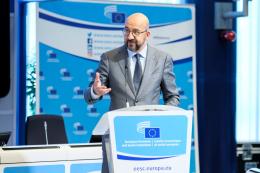
The May plenary session of the European Economic and Social Committee (EESC) hosted a debate led by its President Christa Schweng and the President of the European Council Charles Michel on Europe's response to this turning point in history.
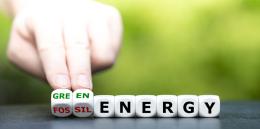
The European Economic and Social Committee (EESC) throws its support behind the Commission's "REPowerEU" initiative, stressing that energy security must be accompanied by urgent measures to protect vulnerable users, accelerate decarbonisation and diversify energy sources. Steps should also be taken to reduce demand for Russian gas which has brought about a significant increase in energy prices.
En la reunión que la Mesa del Comité Económico y Social Europeo (CESE) celebró en Praga, el ministro checo de Asuntos Europeos, Mikuláš Bek, presentó las prioridades de la próxima Presidencia checa de la UE. El ministro también participó junto con los miembros del CESE en un seminario sobre energía sostenible y asequible para la UE.
El Comité Económico y Social Europeo (CESE) organizó por segundo año consecutivo una gran conferencia para hacer balance de la situación de la pobreza energética en los Estados miembros de la UE, presentando propuestas concretas para abordar este importante problema social.
To turn solidarity with Ukraine into concrete action, the EESC is joining the European Parliament's "civil society hub" initiative for Ukraine, allowing the NGO Promote Ukraine to use part of its premises at rue de Trèves 74, along with logistical equipment.
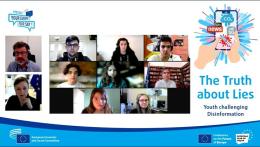
Estudiantes de secundaria de toda Europa entregaron ocho propuestas concretas a la vicepresidenta de la Comisión Europea responsable de Valores y Transparencia. Los estudiantes estaban participando en el evento virtual de la juventud «¡Tu Europa, tu voz!» (YEYS2022) titulado «La verdad sobre las mentiras. Los jóvenes desafían a la desinformación». El evento fue organizado por el Comité Económico y Social Europeo (CESE) los días 31 de marzo y 1 de abril de 2022.
The European Union needs not only to improve the preparedness of its health system but also to address inequalities within the Union and globally. It needs to move quickly to assess the public health action taken to date
This year – 2022 – the European Economic and Social Committee (EESC) will be co-organising the first-ever EU organic awards, together with the European Commission, European Committee of the Regions (CoR), COPA-COGECA and IFOAM Organics Europe, aimed at recognising excellence and rewarding the best and most innovative players in the EU organic value chain.