Newsletter Info

EESC info

European Economic and Social Committee A bridge between Europe and organised civil society

OCTOBER 2026 | EN

GENERATE NEWSLETTER PDF
Editorial

Editorial

Dear readers,  

One year ago, I became President of the European Economic and Social Committee. I warmly thank you for the support and trust you’ve shown me these last 12 months. I’ve honestly truly enjoyed every minute. 

Read more in all languages

Dear readers,  

One year ago, I became President of the European Economic and Social Committee. I warmly thank you for the support and trust you’ve shown me these last 12 months. I’ve honestly truly enjoyed every minute.  

More importantly, I thank you deeply for the essential contributions you make as civil society every day. Your work speaking up for the excluded, representing workers, employers and civil society organisations, and generally being that awkward voice in the rooms where decisions are made is the lifeblood of European participatory democracy. I’ve carried these voices with me wherever I have gone – they’re what motivate me every day as EESC President.  

At my inaugural ceremony one year ago, I stated that the eradication of poverty would be at the centre of my vision of an 'EU of opportunities, security and resilience'. It is therefore with pleasure, and a degree of pride, that the EESC’s October plenary sees the first of our annual anti-poverty high-level debates, bringing together EU leadership, policymakers and civil society organisations to discuss solutions to tackle poverty and exclusion. 

Poverty for me is not a theoretical topic. It is something that I have lived through personally, and, I am glad to say, overcome in my lifetime.  

But my prioritisation of eradicating poverty is not simply for personal and emotional reasons. Tackling poverty makes economic sense. The fact that one in five Europeans are at risk of poverty or social exclusion is not only a moral and social failure. It exacts a high economic cost, limiting human potential, weakening productivity and undermining Europe’s resilience at a time when it is most needed.  

The EU’s current – and correct – focus on competitiveness and security can’t come at the expense of social inclusion. I’m therefore particularly encouraged that we are signing a Memorandum of Understanding with the European Commission on the EU Anti-Poverty Strategy. This political and operational cooperation will be vital for the successful implementation of this strategy.  

Policies must be designed with the people they affect in mind. This can only be done by involving social partners, civil-society organisations and people experiencing the issue in question, in this case poverty. This is because it leads to better, more workable policies with buy-in. 

As I look back at the last 12 months, this message on the importance of including – and listening to – civil society’s voices is undoubtedly the one I have shared the most. I have shared it in meetings with European Commission President Ursula von der Leyen, Council President António Costa, European Parliament President Roberta Metsola, 19 Commissioners, numerous senior MEPs and committee chairs. In China at the EU-China Roundtable, at the United Nations in New York, with political leaders in Moldova, Montenegro and the Baltic states, and with leaders and various ministers at numerous EU Council Presidency fora in Cyprus and Ireland, with civil society bodies and with young people throughout Europe and beyond.   

Looking ahead, although Europe is facing many challenges and some dissenting voices, including those who question why we need to include civil society at all, I am hopeful. Policies designed with civil society are the antidote to simplistic and top-down solutions. They’re also essential if the EU is to not just survive, but thrive, in the age of climate, AI and geopolitical disruptions, and to keep the general public on board.     

Giving workers, employers and civil society a direct voice in shaping and influencing EU law and policy is the EESC’s unique strength. At a time when citizens are demanding to be heard, we need to strengthen that voice, not weaken it.  

You can count on me to keep pressing this case resolutely, and at the highest level, for the rest of my mandate.  

Séamus Boland

President of the European Economic and Social Committee

Diary Dates

27 October 

Decarbonisation starts locally – empowering cities and regions for Europe’s energy transition.

3 November

The socio-economic value of job quality

4 November

Annual Conference on Fundamental Rights and the Rule of Law 2026

10 November

Strengthening Europe's Defence Edge together with Ukraine

30 November

EESC Consumer Policy Dialogue

16 – 17 December

EESC plenary session

ONE QUESTION TO

In its opinion on Water Diplomacy in Action: Restoring the Global Hydrological Cycle, the EESC has expressed deep concerns about the dangerous disruption of the global hydrological cycle, driven mainly by accelerating climate change, unsustainable water use and changes in land use.  

Read more in all languages

In its opinion on Water Diplomacy in Action: Restoring the Global Hydrological Cycle, the EESC has expressed deep concerns about the dangerous disruption of the global hydrological cycle, driven mainly by accelerating climate change, unsustainable water use and changes in land use.  

The EESC is calling on the European Commission and the Member States to work together and urgently put 'blue diplomacy' into action with the aim of restoring and protecting the natural movement of water around the planet and promoting shared water governance.  

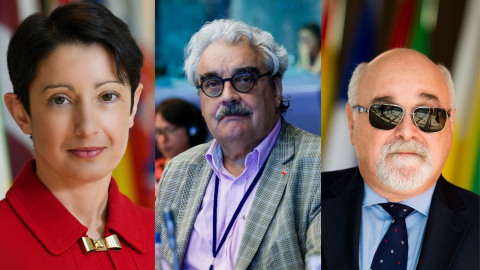
We asked the three rapporteurs for the EESC opinion – Milena Angelova, Carlos Trindade and Ioannis Vardakastanis – to explain what is disrupting the global water cycle and what the EESC is proposing to reverse the damage. 

BLUE DIPLOMACY: WATER COOPERATION MUST BECOME AN EU PRIORITY

By Milena Angelova, Carlos Trindade and Ioannis Vardakastanis 


Read more in all languages

By Milena Angelova, Carlos Trindade and Ioannis Vardakastanis 

EESC Info: Why does restoring the global hydrological cycle require coordinated international action, and what role should the EU play? 

Milena Angelova, EESC Employers' Group: The EESC is deeply concerned about the profound and dangerous changes to the global hydrological cycle, driven primarily by accelerating climate change, unsustainable water use and land-use change. Building on its multilateral ambitions, the EU should lead international efforts to strengthen the role of international law in protecting and restoring ecosystems that sustain the hydrological cycle, such as wetlands, lakes and forests. The EU should call for a global flagship initiative at the 2026 UN Water Conference to restore the global hydrological cycle, with particular emphasis on addressing green water gaps in line with Interactive Dialogue C on Water for the Planet. 

The hydrological cycle is a global public good that requires a systems-based approach at the global level, especially with regard to indicators, metrics and mapping, monitoring protocols, data sharing, and incentives that inform governance and decision-making. 

The EESC suggests that the 2028–2034 EU budget include funding for the restoration of small and large hydrological cycles through cooperation and the sustainable management of shared and transboundary watersheds, maritime meadows and sponge landscapes, as well as through hydroclimatic innovations that also mitigate hydrological change. 

At the European level, we need an ambitious agenda that links agriculture, water, climate, biodiversity and external relations within a single resilience strategy, making the best use of the technological revolution, AI and digitalisation. 

EESC Info: Which human activities are most seriously disrupting the global hydrological cycle? 

Carlos Trindade, EESC Workers’ Group: The accelerating pace of climate change, unsustainable water use, changes in land use and the emerging needs of AI data centres are among the main human-driven factors disrupting the hydrological cycle. 

These disruptive factors also include extreme heat and conditions induced by El Niño, abnormal river flows, changes in reservoir levels, aquifer recharge, soil moisture and evapotranspiration, as well as the unprecedented melting of glaciers at both the poles and in high mountain regions around the world. For example, the melting of Antarctic ice affects the planet’s hydrological cycle and global precipitation patterns, with proven impacts on tropical rainfall and the distribution of moisture between the hemispheres. 

In the face of these human activities and atmospheric changes, the current difficulties in implementing multilateral policies and the modest results of cross-border cooperation on the shared management of water resources severely undermine international diplomatic efforts to establish programmes aimed at addressing the current situation and restoring the planet’s hydrological cycle. 

EESC Info: What does the EESC propose to help countries work together to protect shared water resources and restore the global water cycle? 

Ioannis Vardakastanis, EESC Civil Society Organisations's Group: Our Committee proposes a set of actions to generate new, high-quality data, enabling us to restore and protect the global hydrological cycle more effectively by promoting multilateralism. We encourage riparian countries ─ countries sharing the same rivers or water basins ─ to develop shared arrangements and dedicated basin institutions (organisations that jointly manage shared rivers and water basins) in accordance with the Water Convention and the Watercourses Convention. We wish to stress once again that cooperation on water must be a pillar of European external action, not merely an add-on to existing policies. Blue Diplomacy efforts also need to be strengthened by promoting cooperation with the UN Special Envoy on Water. This partnership can greatly increase our capacity to act as a catalyst for a new global alliance to restore the hydrological cycle. 

THE SURPRISE GUEST

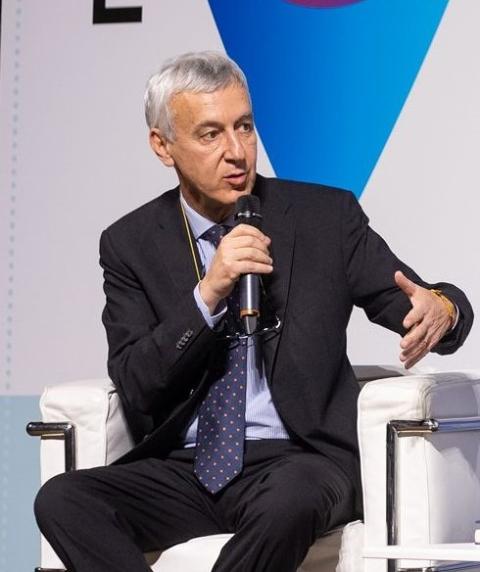
The EU faces a crucial year in 2027, with elections that could strengthen nationalist forces and further weaken European unity. As political divisions deepen and global challenges mount, is Europe running out of time to rethink its future? Our surprise guest, Marco Zatterin, a veteran journalist and former long-serving Brussels correspondent for the Italian newspaper La Stampa, examines the risks facing the European project and argues that closer cooperation, shared ambitions and stronger leadership are essential to prevent the Union from coming apart. 

Read more in all languages

The EU faces a crucial year in 2027, with elections that could strengthen nationalist forces and further weaken European unity. As political divisions deepen and global challenges mount, is Europe running out of time to rethink its future? Our surprise guest, Marco Zatterin, a veteran journalist and former long-serving Brussels correspondent for the Italian newspaper La Stampa, examines the risks facing the European project and argues that closer cooperation, shared ambitions and stronger leadership are essential to prevent the Union from coming apart. 

THE THREAT OF A NATIONALIST TAKEOVER: IT’S TIME TO RETHINK EUROPE

By Marco Zatterin 

The countries of Europe have never really been united. They have mingled more than they have come together, talked at length about solidarity and shared goals, and then pursued the best possible outcome for their respective countries while allowing their commitment to collective action to slide. The unease and weakness in which the 27 are currently mired is more the result of choices not made than of strategies that were misguided or ineffective.  

Read more in all languages

By Marco Zatterin 

The countries of Europe have never really been united. They have mingled more than they have come together, talked at length about solidarity and shared goals, and then pursued the best possible outcome for their respective countries while allowing their commitment to collective action to slide. The unease and weakness in which the 27 are currently mired is more the result of choices not made than of strategies that were misguided or ineffective.  

These days, the EU looks like a modern-day Saint Sebastian: assailed by French and Spanish youngsters protesting because they have no prospects, and by people – especially on the right – who oppose it by peddling the nonsense that we would be better off without the ‘dictatorship of the euro’.   

The European dream is unravelling and failing to represent us as effectively as it could, because national capitals and the politicians crowding them have spent years spitting poison at it. This malicious distortion is the doing of people who prefer excuses to responses – a disease which spreads quickly, threatens our lives and undermines praiseworthy ambitions.  

Thinking things through is always worthwhile. The calendar now makes it imperative. 2027 could prove to be a watershed year, twelve months in which democratic elections could reshape our perception of the rights and solidarity which we have long taken for granted.  

The war in Ukraine is now in its fifth year. The all-too-familiar turmoil in the Middle East has been exacerbated by Trump’s war, with the high-stakes midterm elections fast approaching.  

Energy prices have soared, driving up inflation and interest rates. This combination has cracked the already fragile edifice of continental growth and threatens a heavily indebted system.  

Between November and May, elections could shift Spain, Poland and France to the right, while Chancellor Merz’s centrist approach in Germany is struggling and risks becoming irrelevant. Italy, which has never been so divided, will follow suit. Everything could change – and not necessarily for the better.  

There is a real possibility that the Paris-Berlin axis – long the driving force behind European decision-making (it wasn’t pretty, but it served its purpose) – could grind to a halt. In the absence of other constructive political forces, the lack of reliable European leadership would play into the hands of sovereigntists and nationalists, for whom gaining power matters more than widespread wellbeing and who will pursue it at any cost, even if it means lying about their opponents and taking Vladimir Putin’s money. 

Most European governments, i.e. the majority in the EU Council, are already centrist or centre-right. However, this is a democratic majority which plays by the rules. The rise of more radical positions would weaken the momentum towards closer cooperation, exposing the contradictions of Euroscepticism. It would reward nationalism, which, as Mitterrand said and many have repeated since, is a harbinger of war. In France, Marine Le Pen is promising no mercy for ‘foreigners’, but the country needs workers to counter the demographic crisis and to bring the national football team back to its former glory. She therefore pledges to reduce the deficit by slashing France’s contribution to the European budget, proposes to scrap the mechanism for setting energy prices and calls for stronger national defence capacity, which would hamstring joint European action.  

In a world of economic and political polarisation, with China and the US endeavouring to rule the world on a bilateral basis, going it alone in Europe is a recipe for disaster. Even Paris may come to realise this when, for instance, France’s hot-headed and impetuous farmers discover that reducing contributions to the EU budget means less money in their own pockets. Brexit offers a salutary lesson.  

Europe is most effective in an emergency, as the oft-cited remark attributed to Jean Monnet suggests (witness COVID and the financial crash). Yet relying on the prospect of disaster cannot be enough. It would be much more useful to pursue economies of scale by working together on energy, growth, the economy, the climate and defence – before the worst comes to pass.  

It is important to explore what can be done to achieve this. After all, investing in anti-drone defences or a great technological barrier does not equate to rearming: it means that we are protecting ourselves from the hybrid attacks that various observers and diplomats consider both likely and imminent. This is not about war: it is about deterrence, something we cannot achieve alone. 

Rethinking Europe is imperative. 2027 is the turbulent year when democracy may hand the EU over to nationalists and sovereigntists bent on gradually dismantling it. The answer lies in listening and simplifying, respecting our roots and defining common goals (paid for collectively through joint borrowing). The alternative is to surrender to the crisis. And it is curious that this should be happening just when the British, betrayed by mad cow disease and memories of their lost empire, are looking for a way to turn back the clock and return to their old home in order to overcome the deep crisis gripping them across the Channel. 

Marco Zatterin is an experienced Italian journalist who served as Brussels correspondent for La Stampa for ten years before becoming deputy editor of the newspaper. He is currently a columnist for the six newspapers of the NEM (Nord Est Multimedia) group and a member of the board of Fondazione CSF (Centro Studi sul Federalismo), a Turin-based research centre focusing on European integration and federalism. In 1995, he also served as spokesperson for Italian European Commissioner Emma Bonino. He is the author of several books, including Trafalgar (Rizzoli, 2005) and Il Gigante del Nilo (Mondadori, 2019). He is also an expert on Sherlock Holmes, to whom he has dedicated several books. 

THE PUBLIC SQUARE

BRAILLE: FROM A READING AND WRITING SYSTEM TO RECOGNITION AS CULTURAL HERITAGE?

In its Public Square column, EESC Info gives the floor to voices from across public life – civil society, journalists, NGOs and institutions – to share the causes they champion and the issues they believe deserve attention. In this issue, the European Blind Union’s Rainer Delgado writes about why, as a braille-user, he is keeping his fingers crossed that the writing system used by blind and partially sighted people will be included on UNESCO’s Representative List of the Intangible Cultural Heritage of Humanity.  

Read more in all languages

In its Public Square column, EESC Info gives the floor to voices from across public life – civil society, journalists, NGOs and institutions – to share the causes they champion and the issues they believe deserve attention. In this issue, the European Blind Union’s Rainer Delgado writes about why, as a braille-user, he is keeping his fingers crossed that the writing system used by blind and partially sighted people will be included on UNESCO’s Representative List of the Intangible Cultural Heritage of Humanity.  

Italian Cooking, Yodelling in the Alps, Arabic Coffee, Dry Stone Construction, Handmade Glass, Modern Dance…these are cultural traditions in Europe which were recognised as cultural heritage of humanity by UNESCO some time ago. And in one year’s time (at the end of 2027), the braille system could also join that list. 

Under the name ‘Braille: Reading and Writing by Touch’, France and Germany submitted a nomination for braille to be included in UNESCO’s list of Intangible Cultural Heritage of Humanity earlier this year. Before this important development took place, the European Blind Union was already raising awareness about the teaching and use of the code through its braille Working Group. 

These efforts have already paid off; over the last six years, eight European countries (Germany, France, Belgium, Portugal, Slovenia, Austria, Finland and Spain) have included braille in their national lists of cultural heritage. This will undoubtedly help strengthen the candidacy that’s currently being studied by UNESCO.  

During the nomination process, blind and partially sighted people had to describe to others why braille is essential as a cultural tool and communication system. While they were all sending their reflections on that subject, braille users surely thought about how much this invention by a young boy from Coupvray in France has evolved over the 200 years since its invention.  

For sighted people, written text is everywhere, it’s just another item to be found in their daily lives. But for us, people with visual impairments, being able to feel text through braille is an amazing experience. And, of course, it has come a long way: modern technology has allowed us to read information on computers and smartphones through braille displays. At the same time, the production of braille books is much more efficient today than in the past, and we can also find it on medicine packaging, in elevators, or at train stations. It’s even a key tool to allow us to work on an equal basis with others in skilled jobs.  

Moreover, braille is more than a daily ally for overcoming the barriers we find in different areas of life; it’s part of our personality, our identity. We read in braille; we write in braille – we even build precious personal bonds with it.  

We – braille users – are keeping our fingers crossed that it will be recognised as Intangible Cultural Heritage by UNESCO. Because it’s not only about giving us access to information, but also about cherishing a treasure that has touched our hearts and led us towards inclusion. 

Reiner Delgado is a member of the European Blind Union’s Braille Working Group. You can find more information on this topic on the livingbraille.eu platform. 

EESC News

BETTER REGULATION DOES NOT MEAN DEREGULATION

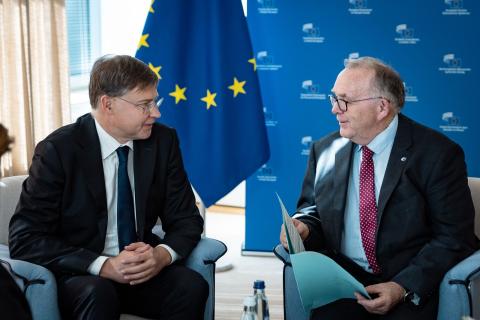
At a high-level debate with European Commissioner Valdis Dombrovskis on 23 September, the European Economic and Social Committee (EESC) backed simpler EU rules but called for stronger evidence, clearer safeguards and greater democratic scrutiny of the Commission’s better regulation plans.  

Read more in all languages

At a high-level debate with European Commissioner Valdis Dombrovskis on 23 September, the European Economic and Social Committee (EESC) backed simpler EU rules but called for stronger evidence, clearer safeguards and greater democratic scrutiny of the Commission’s better regulation plans.  

The Commission has restated its goal to make EU laws ‘simple by design’ and set out its proposed changes to its systems for carrying out impact assessments and public consultations, while also putting forward its plans for reviewing existing legislation. While welcoming that ambition, the EESC says the proposals do not yet show clearly enough how simplification will affect businesses, workers, citizens and the environment. 

‘Rules must work in the real world. For SMEs, workers, consumers and public authorities, clarity and consistent enforcement are essential to trust and to a well-functioning single market’, EESC president Séamus Boland said.  

In its opinion on better regulation, adopted following the plenary debate, the EESC identified several weaknesses in the Commission’s revamped rulebook. The opinion states that the Commission still lacks a comprehensive picture of the cumulative costs and benefits of EU legislation, making it harder to spot burdens, overlaps and gaps, particularly for SMEs. It also warns that the new ‘matrix of key impacts’ is too vaguely defined and must not allow proposals labelled ‘targeted’ or ‘urgent’ to escape full impact assessment and independent scrutiny. 

The EESC also asked the Commission to make a distinction between unnecessary national additions to EU rules, known as ‘gold-plating’, and legitimate decisions to maintain higher social or fundamental-rights protections. 

Rapporteur for the opinion, Katrīna Zariņa, said: ‘Europe needs simpler rules to strengthen its competitiveness, but simplification must not become deregulation.’ The EESC is calling for verifiable metrics to assess the short- and long-term impact of regulation and simplification. The opinion also stresses the importance of ensuring that there is no impact on workers' rights and environmental protection when creating exemptions for SMEs, and rejects plans to cut public consultations from twelve to six weeks. (ma/ll) 

'THINK RURAL' FROM THE START: PUTTING RURAL EUROPE AT THE HEART OF EU POLICY

The EESC is calling for a practical EU-wide 'rural proofing' tool to ensure that the impact of policies on rural people, businesses and communities is assessed from the outset. The approach should cover all policy areas and help shape the next EU budget and national and regional partnership plans. 

Read more in all languages

The EESC is calling for a practical EU-wide 'rural proofing' tool to ensure that the impact of policies on rural people, businesses and communities is assessed from the outset. The approach should cover all policy areas and help shape the next EU budget and national and regional partnership plans. 

Adopted at the September plenary, the opinion calls for mandatory screening of major EU proposals and more detailed territorial assessments where significant effects are identified. This could help prevent measures such as digital-only public services or centralised healthcare from disadvantaging areas with weak connectivity or long travel distances. 

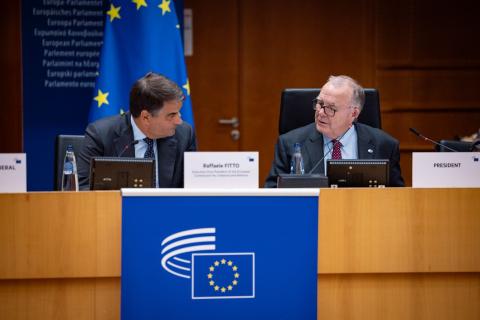
The opinion was presented during a debate on territorial cohesion with European Commission Executive Vice-President Raffaele Fitto.  

The EESC has stressed that rural proofing must improve decisions rather than become a box-ticking exercise, and that implementation should involve local communities, clear responsibilities, adequate data and regular monitoring.  

At the same time, the approach should reflect the diversity of rural Europe, from remote and mountain regions to islands and rural communities close to cities. 

EESC President Séamus Boland said: 'Rural proofing is about making sure that geographical differences are taken into account when European policies are designed. Rural communities should not have to adapt to decisions made without their realities in mind.' 

The EESC sees rural proofing as an important tool for delivering on the 'right to stay', giving people a genuine choice to remain in, return or move to a rural community. 

That choice depends on access to affordable housing, healthcare, education, childcare, public transport, reliable digital connections and decent jobs.  

'We need to change the way we look at rural Europe. Rural realities and potential must be considered across all policies, not only those traditionally labelled as rural or agricultural. This is why we need rural proofing,' EESC rapporteur Lidija Pavić-Rogošić concluded. (ks)

EESC WARNS WATER IS NOW A MATTER OF ECONOMIC SECURITY FOR EUROPE

Ahead of the 2026 UN Water Conference, the European Economic and Social Committee (EESC) held a plenary debate with EU Commissioner for Environment and Water Resilience, Jessika Roswall. The EESC calls for water to be treated as a strategic resource for Europe's economy, security and global role. 

Read more in all languages

Ahead of the 2026 UN Water Conference, the European Economic and Social Committee (EESC) held a plenary debate with EU Commissioner for Environment and Water Resilience, Jessika Roswall. The EESC calls for water to be treated as a strategic resource for Europe's economy, security and global role. 

The debate comes as water stress increases across Europe, putting pressure on supply chains, infrastructure and industrial production. In response to this, the Committee is calling for a shift in how water is framed in EU policy, from a mainly environmental concern to a strategic resource for competitiveness and resilience. 

European Commissioner for Environment, Water Resilience and a Competitive Circular Economy Jessika Roswall echoed this broader approach, saying: 'Water is not only an environmental priority, but also a vital ingredient for our competitiveness, preparedness, resilience and overall security.'

At EU level, the EESC has been pushing for this shift for several years through its EU Blue Deal initiative, which seeks to place water at the centre of industrial, economic and climate policy. EESC President Séamus Boland underlined the urgency of this agenda, stating: 'The Committee has delivered multiple opinions to help develop a comprehensive EU water policy. Without water, there is no life, no economy and no other policy to defend. This is why we call for a water test in EU legislation and for water to be made a strategic priority in the next multiannual financial framework.'

Europe invests around EUR 55 billion in water annually but faces a EUR 23 billion yearly investment gap. Yet every euro invested generates an estimated EUR 2.35 in economic output. The EESC warns that inaction is already affecting supply chains and industrial production. In its opinion on the Blue Deal Accelerator – technology, skills and finance for a water-resilient future, the EESC calls for water to be fully integrated into EU industrial policy, including the Circular Economy Act and the Industrial Accelerator Act. 

In a second opinion, EESC Contribution to the UN Water Conference 2026: from the EU Blue Deal and Water Resilience Strategy to global water action, the Committee warns that, at the current pace, sustainable water management will not be achieved before 2049. It calls for more circular water use, the recognition of water as a public good and stronger global governance involving civil society. 

In December 2026, the EESC will join the EU delegation to the UN Water Conference for the first time, bringing civil society's perspectives into international discussions on water resilience. (gb) 

EESC PRESIDENT SÉAMUS BOLAND IN MONTENEGRO: PUTTING CIVIL SOCIETY AND SOCIAL DIALOGUE AT THE CENTRE OF THE ACCESSION JOURNEY

Montenegro’s progress towards EU membership must include better living conditions and give citizens a say in the country’s future. During a visit to Podgorica on 7–9 October, EESC President Séamus Boland urged the government to keep civil society, social partners and young people involved throughout the accession process. 

Read more in all languages

Montenegro’s progress towards EU membership must include better living conditions and give citizens a say in the country’s future. During a visit to Podgorica on 7–9 October, EESC President Séamus Boland urged the government to keep civil society, social partners and young people involved throughout the accession process. 

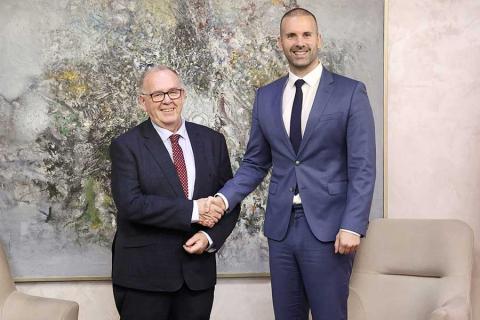
Meeting Prime Minister Milojko Spajić, Mr Boland welcomed the reform progress achieved in recent months and encouraged the government to maintain momentum. Their talks focused on accession negotiations and how organised civil society can help shape balanced, sustainable reforms. 

'Montenegro’s accession is about more than joining the European Union,' Mr Boland said. 'It is about building a fairer, more inclusive society where citizens see and feel the benefits of reform and where civil society has a real voice in shaping the country’s future.' 

The visit, which began with a briefing by the EU Ambassador to Montenegro, Johann Sattler, brought together political leaders, civil society representatives and young people to discuss both the reforms and public participation in them. 

Fighting poverty, improving social inclusion and addressing demographic challenges were central to talks with the Minister of Social Welfare, Family Care and Demography, Damir Gutić. 

'European integration is not just about aligning legislation,' Mr Gutić said. 'Its true purpose is to ensure that citizens receive better protection, more accessible services, more opportunities and a better quality of life.' 

Mr Boland stressed that civil society organisations and social partners have a vital role in making sure social reforms respond to people’s needs and bring tangible improvements. 

In a separate meeting, the Minister of Labour, Employment and Social Dialogue, Naida Nišić called for social dialogue to function as 'a genuine mechanism for shaping public policies rather than merely a formal obligation in the European integration process'. Citizens, employees, employers and civil society should actively participate in Montenegro’s journey towards membership, she said. 

At Europe House, the EESC president met students and Young European Ambassadors from the Youth Network of Montenegro. He emphasised that their ideas and ambitions must be heard throughout the accession process. 

He also met employers, trade unions and civil society organisations, including members and observers of the EU–Montenegro Joint Consultative Committee and participants in the EESC’s Enlargement Candidate Members initiative. Discussions examined the progress of negotiations, civil society’s influence on reforms and the effectiveness of social dialogue. 

The visit ended with a meeting with Montenegro’s Ombudsman, Siniša Bjeković, on the protection of fundamental rights, the rule of law and the functioning of independent oversight institutions. 

PRESIDENT OF FRANCE'S ECONOMIC, SOCIAL AND ENVIRONMENTAL COUNCIL: 'WE MUST NEVER BE SCARED TO TALK TO PEOPLE'

At the September plenary session, the EESC and France's Economic, Social and Environmental Council reaffirmed their commitment to acting as steadfast partners in defending the role and model of participatory democracy.  

Read more in all languages

At the September plenary session, the EESC and France's Economic, Social and Environmental Council reaffirmed their commitment to acting as steadfast partners in defending the role and model of participatory democracy. 

The newly elected President of France's Economic, Social and Environmental Council, Claire Thoury, chose the EESC as the first European institution to visit in her new role. At the September plenary session, she identified poverty, jobs, artificial intelligence, climate change and attacks on European values as the EU's most pressing concerns.

In tackling these challenges, Ms Thoury reiterated the vital role of organised civil society in ‘testing political decisions in the real world’ and promoting fairness. ‘By defending organised civil society, we are defending democracy itself. We must never be scared to talk to people and we must never give up.’  

The debate highlighted that the EESC and France's Economic, Social and Environmental Council are moving in the same direction. Cooperation is growing, particularly through thematic discussions, the promotion of opinions and participation in joint events. The network of 24 national economic and social councils developed by the EESC is crucial for sharing expertise in a challenging geopolitical environment. ‘Tackling today’s major challenges calls for a strong, united Europe able to stand against the forces seeking to divide us,’ Ms Thoury said.

‘No consultative body, in Europe or elsewhere, can take its legitimacy for granted. Recurrent attacks on such institutions remind us that we must remain united, continue to demonstrate our added value, earn trust, and speak clearly and forcefully about the importance of consultative assemblies,’ said the EESC President Séamus Boland. (ma/mp) 

EU’S NEW ENERGY LABELLING MUST INCLUDE POST-PURCHASE INFORMATION, SAYS THE EESC

The European Economic and Social Committee (EESC) underlines that the new energy labelling system put forward by the Commission must cover the entire product lifecycle and use digital tools to improve transparency and accessibility. 

Read more in all languages

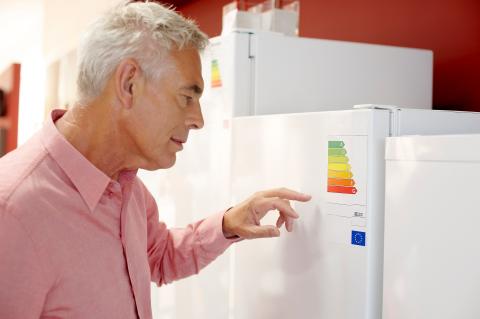
The European Economic and Social Committee (EESC) underlines that the new energy labelling system put forward by the Commission must cover the entire product lifecycle and use digital tools to improve transparency and accessibility. 

In its opinion Omnibus on energy products labelling, adopted at its September plenary, the EESC backed the Commission’s proposal to simplify energy product legislation and its regulatory framework, maintain consumer information standards and ensure compliance using digital options. However, the EESC stresses that the proposal should also include post-purchase information, with data from the European Product Registry for Energy Labelling (EPREL). 

‘Product data is crucial not only when making a decision to buy, but also for repairs, maintenance, spare parts sourcing and resale markets. The EPREL database must act as a lifecycle database that provides precise, downloadable and updated information identifying the responsible economic operator,’ said rapporteur of the opinion José Angel Hernández Colomer. 

According to the EESC, energy labels must be immediately visible in search results, comparison tools and shopping carts, and be supported by intuitive online energy-rating filters. Digital tools such as QR codes or nested views must never obscure essential data, and should offer multilingual details and replace traditional barcodes to enhance company and product traceability.  

Mr Colomer added that ‘beyond consumer data, the EPREL database must provide technicians handling installation, maintenance, dismantling and end-of-life processing with comprehensive technical and safety specifications on hazardous components, battery specs, refrigerants and safe disconnection workflows.’ 

The Committee also states the importance of protecting vulnerable groups from digital exclusion. It recommends holding digital literacy campaigns in rural or low-income areas and integrating accessible layouts for people with disabilities, such as easy-to-read text, braille, larger fonts and distinct visual icons, so that digital labels do not become a barrier to information. (ma/mp)

HOUSING CRISIS: MODERN METHODS OF CONSTRUCTION CAN HELP DELIVER AFFORDABLE HOUSING

In an opinion adopted at its September plenary, the European Economic and Social Committee (EESC) stressed that modern construction methods can help lower housing costs and boost supply, but only if innovation, quality and respect for workers’ rights go hand in hand.  

Read more in all languages

In an opinion adopted at its September plenary, the European Economic and Social Committee (EESC) stressed that modern construction methods can help lower housing costs and boost supply, but only if innovation, quality and respect for workers’ rights go hand in hand.

In its opinion on affordable housing, co-rapporteurs John Comer and Thomas Kattnig argued that the EU could reduce building costs, shorten construction times and lower carbon footprints by embracing modern construction methods. However, Mr Comer underlined that ‘Modern methods of construction can become a key pillar of affordable housing only if innovation, quality, workers’ rights and public interest objectives advance together.’ 

New construction methods can address the low productivity and fragmented supply chains that associated with the construction sector by prioritising off-site and prefabricated manufacturing techniques. This approach has the potential to reduce overall construction costs while improving structural precision, quality control and productivity.

Achieving these objectives will require a well-developed industrial base. This is why the EESC argues that the EU should promote targeted investment to expand the capacity needed to manufacture systems for prefabrication and off-site construction.

The Committee also emphasises that the Member States, the Commission, the Housing Alliance and all stakeholders have a role to play in promoting standardisation, eliminating fragmented regulations and ensuring that modern methods of construction are supported by robust certification and monitoring systems.

‘Modern methods of construction must not be seen as merely a technological or market-driven issue, but must be part of a broader social, labour market, affordability and industrial policy strategy,’ said Mr Kattnig. 

This recent opinion forms part of a prolonged effort on the part of the EESC to press the EU institutions into finding equitable and sustained solutions to Europe's housing emergency; opinions adopted in 2025 as well as in March and July of this year all concerned affordable housing in the EU. (ma/mp) 

TRANSPORT: THE EESC RECOMMENDS IMPROVING PROTECTION FOR RAILWAY PASSENGERS

Through several opinions in its September plenary, the European Economic and Social Committee (EESC) recommends focusing on protection, transparency and inclusiveness for passengers, backing the establishment of a single digital booking system and multimodal mobility platforms.  

Read more in all languages

Through several opinions in its September plenary, the European Economic and Social Committee (EESC) recommends focusing on protection, transparency and inclusiveness for passengers, backing the establishment of a single digital booking system and multimodal mobility platforms.  

Three opinions formed part of the EESC’s response to the European Commission’s long-awaited railway Passenger Package. The first opinion, drafted by Baiba Miltoviča, underlined the EESC’s appreciation of the initiative to introduce more protections for rail passengers.  

It stresses that passengers should be allowed more flexibility after missed train connections and emphasises the importance of final ticket prices being transparent from the start of the booking process. It reiterates the importance of supporting accessibility and inclusiveness for all passengers, which can be achieved through maintaining human assistance systems.  

The second opinion, drafted by Dumitru Fornea, welcomed the Commission’s initiative to set up a single, interoperable European booking and ticketing framework for rail transport, considering it essential for a genuine EU railway area.  

‘This initiative would break down the current barriers that passengers face when dealing with fragmented national booking systems,’ said Mr Fornea. ‘Digital simplification would contribute to making integrated EU mobility a reality and should be developed to this end, not simply to digitalise/connect different online national systems.’ 

The third opinion, drafted by Mateusz Szymański, concerned the Commission’s efforts to develop multimodal mobility platforms – tools that allow passengers to combine different transport modes when planning, booking and paying for journeys.  

‘The development of these tools should be promoted, as they can offer multimodality, inclusiveness and sustainability throughout the EU, both within Member States and in cross-border travel,’ Mr Szymański said.  

However, the EESC calls for more comprehensive efforts to ensure that multimodal journeys would be purchasable through a single ticket. (ma/mp)

EUROPE'S AI EXPANSION RISKS DEEPENING FOREIGN DEPENDENCE, EESC WARNS

The EESC argues that the Commission’s cloud and AI development plan relies on funding that has not been secured, overlooks potential electricity demand and gives affected communities too little say. 

Read more in all languages

The EESC argues that the Commission’s cloud and AI development plan relies on funding that has not been secured, overlooks potential electricity demand and gives affected communities too little say. 

In an opinion adopted on 23 September, the EESC has backed the ambition of the European Commission’s proposed Cloud and AI Development Act, which aims to strengthen Europe’s digital infrastructure and reduce reliance on non-European companies, but nonetheless has put forward criticisms in several key areas.  

The EESC warns that the proposal sets ambitious targets without guaranteeing the investment needed to meet them. ‘We welcome the Commission’s aim to strengthen Europe’s cloud and AI capacity and reduce our dependence on non-European suppliers. But it’s not enough to talk about ambition. If we want to expand Europe’s data-centre capacity substantially, we need to know how this will be financed,’ rapporteur for the opinion Miroslav Hajnoš said.   

Furthermore, the Commission's plan to at least triple the EU's data-centre capacity by 2030 will not automatically deliver greater technical sovereignty. Without public contracts for sovereign European-owned and operated services new investment could end up benefiting the large non-EU providers that already dominate the market, the EESC stated.  

A major concern of the EESC relates to the erosion of human capabilities to perform tasks independently as organisations become more reliant on AI. This decline may go unnoticed because productivity can appear stable even while human knowledge is being lost. National authorities should monitor this risk and assess whether essential public functions could still be performed, verified or restored if an AI or cloud service failed.  

‘As we roll out AI, we need to think about what skills people must retain. Education will have a key role to play. As Europe builds its technological capabilities, we must not lose our human and institutional autonomy,’ Mr Hajnoš said.  

The EESC also calls on the Commission to assess whether electricity generation can keep pace with the requirements of these technologies and proposes requiring grid operators to provide developers with information on available capacity, connection costs and schedules within six months of a request.  

Moreover, the EESC says workers, civil society and consumer organisations should be involved in shaping national cloud and AI strategies. It calls for training programmes to be developed with employers and trade unions and for specific measures to attract and retain young people. (ma/ll)

TACKLING CYBERBULLYING THROUGH PREVENTION AND ACCOUNTABILITY

Responsibility for preventing cyberbullying must rest primarily with digital platforms rather than with children and young people, says the European Economic and Social Committee (EESC), which calls for stronger platform accountability, simple reporting procedures and meaningful youth involvement. 

Read more in all languages

Responsibility for preventing cyberbullying must rest primarily with digital platforms rather than with children and young people, says the European Economic and Social Committee (EESC), which calls for stronger platform accountability, simple reporting procedures and meaningful youth involvement. 

Around one in six children aged between 11 and 15 in Europe report having experienced cyberbullying. In its opinion Action plan against cyberbullying, drafted by rapporteur Michael McLoughlin, the EESC welcomes the European Commission’s initiative but calls for closer alignment with EU legislation, including the Digital Services Act and AI Act.  

As the opinion points out, ‘the key responsibility for cyberbullying via online platforms should lie with those platforms. Regulatory measures and other actions should be focussed to the greatest extent possible on these companies rather than on the young people who are merely availing of a widely available product.’

The EESC warns that platform design features such as algorithmic steering, nudging and ‘doom scrolling’ can influence users’ behaviour, while generative AI creates new risks through fabricated or manipulated content, extortion, blackmail and harassment.  

The Committee stresses that prevention should begin with education and that children and young people must be meaningfully involved in developing and evaluating measures intended to protect them. Parents, teachers, carers, youth workers and civil society organisations also have an essential role.  

It calls for accessible and trusted reporting procedures, including hotlines and straightforward notification mechanisms, while insisting that platforms remain at the centre of reporting rather than shifting responsibility onto victims.  

Finally, the EESC stresses the importance of safe physical spaces such as youth and community centres and sports facilities, which can help build young people’s confidence, resilience and well-being. (lm) 

FIGHTING TERRORISM MEANS PROTECTING DEMOCRACY, NOT SACRIFICING IT

Europe’s response to terrorism and violent extremism must combine effective security measures with prevention, democratic resilience and the systematic involvement of civil society, says the European Economic and Social Committee (EESC). 

Read more in all languages

Europe’s response to terrorism and violent extremism must combine effective security measures with prevention, democratic resilience and the systematic involvement of civil society, says the European Economic and Social Committee (EESC). 

In its opinion on the ProtectEU Agenda for preventing and countering terrorism, drafted by rapporteur Christian Moos, the EESC warns that terrorism, organised crime and hostile foreign interference are increasingly overlapping and calls for a comprehensive response that does not compromise democracy, fundamental rights or the rule of law.  

'Terrorism, sabotage and organised crime increasingly overlap. ProtectEU requires stronger cooperation among authorities, smarter information-sharing and greater prevention, developed together with civil society to strengthen resilience, security and democracy,’ Mr Moos said.  

The Committee argues that strong public institutions, social cohesion, education and active civic participation can help reduce vulnerability to extremist narratives. It therefore wants counter-terrorism policy to pay greater attention to prevention and the root causes of radicalisation, alongside operational security measures.  

The workplace also has an important role to play. The EESC calls for the social partners and organised civil society to be more systematically involved in prevention programmes, early-warning mechanisms and preparedness strategies.  

With almost one third of terrorist suspects in the EU in 2024 aged under 20, the Committee also supports stronger measures to protect minors online, including education, media literacy and safeguards against harmful content.  

The EESC backs stronger protection of public spaces and critical infrastructure, better information-sharing and closer institutional cooperation, but stresses that security measures must remain proportionate and compatible with fundamental rights and open democratic life. (lm) 

EUROPE NEEDS GREATER PUBLIC FINANCING CAPACITY TO CLOSE ITS INVESTMENT GAPS

Europe must scale up public investment for innovation, strategic infrastructure and the green and digital transitions, says the European Economic and Social Committee (EESC). It calls for greater investment capacity for the European Investment Bank (EIB) Group and a stronger role for national promotional banks. 

Read more in all languages

Europe must scale up public investment for innovation, strategic infrastructure and the green and digital transitions, says the European Economic and Social Committee (EESC). It calls for greater investment capacity for the European Investment Bank (EIB) Group and a stronger role for national promotional banks. 

Europe faces major investment gaps in clean industry, electricity grids, digital infrastructure and innovative companies. The EESC says public investment institutions need clearer mandates and stronger tools to support projects that markets cannot finance adequately, and to strengthen Europe's productive base. 

'Europe cannot build its competitiveness on fragmented funding and short-term finance. We need stronger public investors able to provide patient capital where markets fall short, helping innovative firms scale up and deliver the infrastructure Europe needs for its green and digital future,' said Philip von Brockdorff, rapporteur for the opinion. 

Funding for the EIB Group under the next EU long-term budget should rise faster than inflation. The European Investment Fund and programmes such as TechEU should provide more equity, hybrid capital and venture debt to innovative firms, while direct long-term lending and co-investment should be expanded for strategic infrastructure. 

Public support should unlock investment constrained by high risks, long maturities or returns that markets do not fully recognise. Success should be measured by funding gaps closed, financing conditions improved and public value created, not only by private capital mobilised. Priorities include energy grids, clean industry, public transport, technology infrastructure, affordable housing and climate and water resilience. 

The EIB Group, the European Commission and national promotional banks should work as a more integrated financing system, with shared priorities and clear responsibilities. National promotional banks should be closely involved in national and regional partnership plans and in governing the proposed European Competitiveness Fund for 2028–2034. 

EU financing should be easier for SMEs and start-ups to access. The EESC proposes digital-first procedures, standard templates, self-declarations where possible, real-time application tracking and a single SME helpdesk in each Member State. It also stresses that excellence-based funding for basic research under Horizon Europe must remain distinct from support for commercial research. 

The EESC calls for stronger public investors, simpler access to EU funding and coordinated action to channel capital into projects that support Europe's competitiveness, resilience and sustainable growth. (tk)

PUBLIC SERVICES: NOT A COST, BUT AN INVESTMENT IN DEMOCRACY

Public services should not primarily be regarded as a cost to public finances, but as a strategic investment in democracy, social cohesion, economic development and the functioning of the EU. This is the core message of an opinion adopted by the European Economic and Social Committee (EESC) on how the sector can adapt to new challenges in the EU. 

Read more in all languages

Public services should not primarily be regarded as a cost to public finances, but as a strategic investment in democracy, social cohesion, economic development and the functioning of the EU. This is the core message of an opinion adopted by the European Economic and Social Committee (EESC) on how the sector can adapt to new challenges in the EU. 

The argument is particularly relevant in the context of crises. Demographic change, digitalisation, climate-related disasters, hybrid threats and health emergencies are increasing the demands placed on public administrations. In the opinion The public service sector in the EU adapted to new challenges, adopted at the September plenary session, the EESC argues that investing in preparedness and maintaining sufficient public-service capacity can ultimately be less expensive than dealing with the consequences of crises once they occur. 

‘Public services that are well-resourced, accessible and staffed by competent and motivated personnel are the bedrock of just states, democracy and the ability to respond to threats’, said rapporteur of the opinion Mateusz Szymański. ‘Unfortunately, a negative narrative regarding their usefulness and costs undermines their authority and erodes trust in public institutions’.

Public services perform essential state functions, promote equal treatment and are also necessary for businesses and the functioning of the economy. Recent crises, including COVID-19, hybrid threats from Russia and severe weather events, have demonstrated the importance of preparedness and continuity of services.  

The EESC argues that maintaining adequate public-service capacity can cost less than dealing with the consequences of unforeseen crises.  

Digitalisation and artificial intelligence can improve efficiency and accessibility, provided that transparency, human oversight and data protection are guaranteed. 

According to Eurostat, in 2025, 72% of EU residents aged 16-74 used a public authority website or app, compared with 70% in 2024 and 67.6% in 2022. Figures range from 98% in Denmark and 96% in the Netherlands, Finland and Sweden, to 24% in Romania, 36% in Bulgaria and 57.7% in Italy. 

The EESC insists that traditional channels and direct human contact must remain available, particularly for vulnerable citizens. 

Staff shortages, low wages and declining job security are making public-service careers less attractive, while excessive workloads contribute to stress and burnout. 

The Committee calls for stable employment, career development, continuous training, better work-life balance and stronger occupational health and safety. (ab) 

CLIMATE STRATEGY MUST PREPARE FOR A LARGER EU

As the EU prepares for a potentially larger Union, enlargement can no longer be treated separately from Europe’s climate ambitions. 

Read more in all languages

As the EU prepares for a potentially larger Union, enlargement can no longer be treated separately from Europe’s climate ambitions. 

The EESC is calling for enlargement to be fully integrated into the EU’s climate, energy and industrial strategy. Candidate countries, which currently account for around 10-15% of the EU’s greenhouse gas emissions, could pose new challenges but also help accelerate the transition to climate neutrality. 

‘Enlargement is a geopolitical imperative, but it is also an opportunity to accelerate Europe’s clean energy transition,’ said Teppo Säkkinen, rapporteur for the opinion. ‘If we start aligning candidate countries with EU climate and energy policies now, we can cut emissions, strengthen energy security and create better conditions for investment and competitiveness across Europe.’ 

The Committee is also asking the European Commission to clarify how climate targets and emissions baselines would be calculated in an enlarged EU. 

Ukraine’s reconstruction offers a major opportunity to rebuild energy, industrial and transport infrastructure according to modern, low-carbon standards.   

The EESC also sees investment and innovation as central to preparing candidate countries for membership. It argues that they should be prioritised in future climate partnerships, including when the EU develops its approach to international carbon credits linked to its 2040 target. 

Early investment in decarbonisation could lower the eventual cost of accession, speed up industrial modernisation and help deploy clean technologies where emissions reductions can be achieved cost-effectively. (ks) 

MEASURING AND EMBEDDING INTERGENERATIONAL FAIRNESS IN EU POLICYMAKING

The European Union must ensure that today’s political choices do not deepen inequalities or leave future generations carrying an unfair share of the costs. The European Economic and Social Committee (EESC) calls for intergenerational fairness to become a measurable principle embedded across all EU policies. 

Read more in all languages

The European Union must ensure that today’s political choices do not deepen inequalities or leave future generations carrying an unfair share of the costs. The European Economic and Social Committee (EESC) calls for intergenerational fairness to become a measurable principle embedded across all EU policies. 

Europe’s generations face different but connected challenges, from insecure employment and unaffordable housing among young people to poverty, digital exclusion and inadequate access to care among older people. In its opinion on the Strategy on Intergenerational Fairness, the EESC argues that these challenges must be addressed together rather than by prioritising one generation over another.  

'The central objective for the Intergenerational Fairness Strategy is to reduce social, economic, gender, age and territorial inequalities between generations and to strengthen solidarity and social cohesion across generations to achieve democratic, resilient, inclusive and sustainable societies,’ declared rapporteur María del Carmen Barrera Chamorro.  

The EESC calls for long-term objectives, measurable targets and indicators, clear accountability and a transparent dashboard within the European Semester to track issues including child and old-age poverty, youth employment, education, housing, care and mental health support.  

It also proposes a European youth empowerment package covering education, quality employment, decent wages, affordable housing, mental health and social protection, together with a stronger Youth Guarantee and an EU instrument for access to housing.  

The Committee calls for an intergenerational fairness assessment to complement the Youth Check and proposes intergenerational budgeting for the EU’s multiannual financial framework to assess how resources affect different generations.  

Finally, the EESC proposes a European Council for Intergenerational Solidarity bringing together social partners, youth organisations, civil society, independent experts and representatives of EU advisory bodies to oversee implementation and ensure structured participation. For the Committee, intergenerational fairness means ensuring that no generation advances at the expense of another. (lm)

GENDER EQUALITY BY 2197? THE EESC CALLS FOR URGENT ACTION

With the UN's targets still off track for 2030, the European Economic and Social Committee (EESC) is calling for faster action. In a resolution setting out the EESC contribution to the EU's priorities at the 71st session of the United Nations Commission on the Status of Women (UN CSW71), the Committee has highlighted a number of barriers that continue to hinder women's economic independence and leadership, and has emphasised the fact that widespread gender-based violence remains a significant problem.  

Read more in all languages

With the UN's targets still off track for 2030, the European Economic and Social Committee (EESC) is calling for faster action. In a resolution setting out the EESC contribution to the EU's priorities at the 71st session of the United Nations Commission on the Status of Women (UN CSW71), the Committee has highlighted a number of barriers that continue to hinder women's economic independence and leadership, and has emphasised the fact that widespread gender-based violence remains a significant problem.  

The United Nations Sustainable Development Goals (SDG) set 2030 as the target for achieving gender equality. But at the current pace, according to UN estimates, it will take 171 years to achieve this goal, pushing out gender equality to the year 2197. In a resolution drawn up by rapporteurs Giulia Barbucci, Juliane Marie Neiiendam and Christa Schweng and adopted at its September 2026 plenary session, the EESC is calling for more proactive and ambitious measures to be taken by the EU institutions, its Member States and the international community. 

'CSW71 is a crucial opportunity to turn promises into measurable progress. With 2030 fast approaching, employers, trade unions and civil society must help advance gender equality through decent work, entrepreneurship, leadership, digital skills, quality care and climate action', declared the three rapporteurs. 

In its resolution, the EESC stresses that progress towards gender equality remains uneven, fragile and increasingly contested, at national, EU and global level. The so-called 'glass ceiling' in the corporate world remains a pressing problem. According to the UN's 2026 Gender Snapshot, which tracks progress towards the Sustainable Development Goals, women account for around 40% of employees in firms worldwide but hold just 5.8% of the CEO positions in the publicly traded companies covered by the report and only 25.1% of the corporate board seats. 

The resolution underlines that gender-based violence remains one of the most significant barriers to equality and empowerment and that preventing and combating violence against women and girls, including digital violence, must remain a political priority. 

Nearly one in three women aged 15 or older – an estimated 840 million globally – has experienced partner or sexual violence during her lifetime, a figure that has barely budged since 2000. In the last 12 months, 316 million women – 11% of those aged 15 or older – were subjected to physical or sexual violence by an intimate partner. 

Background 

The 71st session of the UN CSW will take place in March 2027 at the UN in New York. The session will focus on the priority topic of accelerating the achievement of gender equality and the empowerment of all women and girls in the context of the 2030 Agenda for Sustainable Development. (ab) 

FROM THE EU BLUE DEAL TO GLOBAL ACTION

Water resilience requires stronger cooperation, recognition of access to affordable water as a universal right, and a more effective multilateral framework. The EESC brought together civil society actors to help shape the EU’s contribution to the 2026 UN Water Conference. 

Read more in all languages

Water resilience requires stronger cooperation, recognition of access to affordable water as a universal right, and a more effective multilateral framework. The EESC brought together civil society actors to help shape the EU’s contribution to the 2026 UN Water Conference. 

‘Water is not just an environmental issue, but also a key element of industrial policy, agriculture, economic growth and competitiveness’, stressed Alain Coheur, President of the EESC’s Consultative Commission on Industrial Change (CCMI) and EESC Blue Deal Coordinator. ‘Our ambition must not stop at the EU’s border’.

Participants called for access to clean and affordable water to be recognised as a universal human right and for water resilience to be considered across all EU policies, from industry and agriculture to climate and biodiversity. They also supported an EESC-proposed ‘water test’ to assess the impact of new initiatives on water resources, efficiency and resilience. 

The discussions highlighted the importance of involving civil society and local and regional authorities in shaping water policy. ‘There can be no European water resilience without strong local and regional action. This is why multi-level governance matters. Cities and regions are not merely implementing European policies; they are all essential partners in designing and delivering them’, said André Viola, European Committee of the Regions rapporteur on resilient water management. 

At international level, participants called for stronger accountability mechanisms, clearer follow-up to global commitments, and more effective multilateral governance. Marija Hanževački, EESC Vice-President for Communication, stressed that progress depends on cooperation between civil society, institutions, businesses and citizens. 

The EESC will bring civil society’s views to the UN Water Conference as part of the European Union’s delegation in December 2026. (lm/gb) 

BUILDING TRUST IN A FRACTURED WORLD: HEALTH DIPLOMACY AND CIVIL SOCIETY MUST TAKE CENTRE STAGE

In an increasingly fragmented world marked by conflict, disinformation and geopolitical tensions, trust has become a strategic asset. At the 2026 European Public Diplomacy Days (EPDD), representatives from EU institutions, civil society, academia and international organisations explored how dialogue and cooperation can help strengthen trust and bridge divides. 

Read more in all languages

In an increasingly fragmented world marked by conflict, disinformation and geopolitical tensions, trust has become a strategic asset. At the 2026 European Public Diplomacy Days (EPDD), representatives from EU institutions, civil society, academia and international organisations explored how dialogue and cooperation can help strengthen trust and bridge divides. 

'The answer to fragmentation cannot be isolation. It must be stronger cooperation, greater dialogue and renewed trust', said EESC President Séamus Boland. He stressed that today's global challenges, from public health and migration to climate change and digital transformation, also require active citizen engagement.  

He highlighted the vital role of organised civil society in maintaining dialogue, strengthening communities and building trust, even in difficult times. 

A dedicated EESC session focused on health diplomacy as a tool for peace, solidarity and international cooperation. Speakers underlined that health is not only a policy issue but also a powerful platform for fostering inclusion, resilience and mutual understanding across borders. Participants agreed that stronger civil society involvement, greater health literacy and a renewed commitment to equity and human dignity are essential for rebuilding trust and creating more resilient societies. (pm)

EESC CALLS FOR SUPPORT FOR SOCIAL FARMS THAT CREATE JOBS AND REVIVE RURAL AREAS

The EESC is urging the European Commission and Member States to provide long-term support for social farming—an approach that combines agriculture with training, employment, therapy and social inclusion. 

Read more in all languages

The EESC is urging the European Commission and Member States to provide long-term support for social farming—an approach that combines agriculture with training, employment, therapy and social inclusion. 

In its opinion on Social farming as a tool for innovation in agriculture, adopted at its September plenary, the EESC called for social farming to be recognised as an agricultural innovation that provides responses to local social and health needs.  

The EESC recommends stable cross-sector funding, easier access to support, less red tape and an EU framework ensuring the quality of social farming goods and services. It also underlines the need for fair wages, safe working conditions, training and practical impact measurement. 

Social farms combine agriculture with measures to help people enter and thrive in the labour market, education and training.

'Social farming brings agriculture, health and personal development together. It offers practical help to people and strengthens rural communities,' said rapporteur Roman Haken, calling for stable support instead of short-term projects.

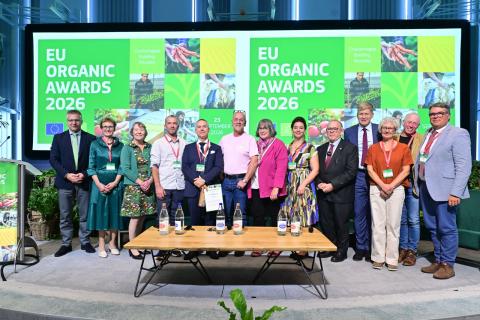
During the EESC plenary debate with European Commissioner for Agriculture and Food Christophe Hansen, the 2026 EU Organic Awards showcased how innovative farming can support food security, social inclusion, nature and viable rural communities. Danish winners Hans Erik Jørgensen and Kirsten Krunderup Rasmussen described how their farm creates opportunities for people facing barriers to the labour market, including Ukrainian refugees. (ks)

EU ORGANIC AWARDS: EESC HONOURS EUROPE’S BEST ORGANIC SME, RETAILER AND RESTAURANT

The EESC has welcomed the three winners of the 2026 EU Organic Awards in the categories for which it is responsible. Announced in Brussels on EU Organic Day, the awards recognise businesses that are making organic food more accessible, innovative and sustainable. 

Read more in all languages

The EESC has welcomed the three winners of the 2026 EU Organic Awards in the categories for which it is responsible. Announced in Brussels on EU Organic Day, the awards recognise businesses that are making organic food more accessible, innovative and sustainable. 

Bio Bulgaria won the award for best organic food-processing SME, Germany’s Boßhammersch Hof was named best organic food retailer, and Austria’s Zotter Schokolade received the award for best organic restaurant or food service. Their projects demonstrate excellence along the organic value chain, from processing and retail to the consumer experience. 

The EESC is a co-organiser of the EU Organic Awards and is responsible for these three categories as part of its work to promote sustainable food systems and raise awareness of organic production. (ks) 

BLAZING A TRAIL: DISCOVER THE STORIES OF IRISH DIASPORA WOMEN

Blazing a Trail: Lives and Legacies of Irish Diaspora Women tells the stories of women whose lives and achievements have left a mark far beyond Ireland. 

Read more in all languages

Blazing a Trail: Lives and Legacies of Irish Diaspora Women tells the stories of women whose lives and achievements have left a mark far beyond Ireland. 

Hosted by the European Economic and Social Committee as part of its cultural programme marking the Irish Presidency of the Council of the European Union, the exhibition celebrates their journeys while highlighting values of equality, inclusion and cultural diversity. 

The exhibition was officially inaugurated on 21 October by the EESC Vice-President for Communication, Marija Hanževački, and will run until 18 November 2026. 

News from the Groups

THE BEST ANTI-POVERTY POLICY IS JOB CREATION

By Sandra Parthie, President of the Employers' Group  

The best social policy is a job. As employers and business representatives, we see every day that employment and opportunities for entrepreneurship are the surest route out of poverty and the strongest foundation for dignity, independence and opportunity.  

Read more in all languages

By Sandra Parthie, President of the Employers' Group  

The best social policy is a job. As employers and business representatives, we see every day that employment and opportunities for entrepreneurship are the surest route out of poverty and the strongest foundation for dignity, independence and opportunity.  

Reducing poverty starts with work and skills, complemented by effective activation and matching policies: education and training closely aligned with labour-market needs and lifelong learning as the norm, not the exception.

Today, 92.7 million people in the EU, or 20.9% of the population, are at risk of poverty or social exclusion. This is not only a social challenge – it is an economic loss. Every person excluded from work represents unused talent, unmet demand and lost potential for our companies and communities. 

This is a real risk for our societies. Therefore, we ask for policies that connect people to real opportunities: quality career guidance, apprenticeships, work-based learning, recognition of prior experience, and employment services that match candidates to vacancies quickly and effectively. Application of these policies must be practical and personal, combining training with childcare, mobility support, digital access and incentives that make work pay. 

Skills are where social policy and competitiveness meet. Europe faces persistent labour and skills shortages while too many workers still lack access to upskilling and reskilling. This is a lose-lose situation: people remain trapped in low-quality or precarious work while businesses struggle to grow. 

We call for education systems designed with employers, not merely for employers. Curriculums must reflect today's labour market needs. Vocational pathways must carry real prestige. Micro-credentials must make skills visible, portable and immediately usable. Adult learning is especially urgent: only 39.5% of adults participated in training in 2022 – well below the EU’s 60% target for 2030.  

Lifelong learning cannot remain a mere slogan: there must be a responsibility to provide it for jobseekers, not just for those already in work with the burden placed on employers. It should be acknowledged as a normal part of every working life – accessible to women returning to work, older employees, low-qualified workers and people in regions undergoing industrial change. Employers are ready to invest in training but they need predictable frameworks, flexible funding and partnerships with education providers and public employment services.  

The EU’s 2030 targets – 78% employment and at least 15 million fewer people at risk of poverty or social exclusion – are ambitious but achievable. They will not be met through subsidies alone. They will be met by building a labour market where people can work, learn, adapt and progress and by creating opportunities for people with ideas and entrepreneurial spirits. 

DECENT WORK FOR ALL TO END POVERTY

By the EESC's Workers' Group 

Precarious employment is a reality faced by many Europeans ─ and certainly by people outside Europe too. Stagnating salaries combined with rising costs of living, non-standard employment and digital disruption in the world of work have meant that having a job no longer guarantees an escape from poverty.   

Read more in all languages

By the EESC's Workers' Group 

Precarious employment is a reality faced by many Europeans ─ and certainly by people outside Europe too. Stagnating salaries combined with rising costs of living, non-standard employment and digital disruption in the world of work have meant that having a job no longer guarantees an escape from poverty.   

While in-work poverty has decreased slowly since 2015, it still affects more than 16 million workers in the EU. The actual figure is probably higher but masked by other factors such as direct family support for many people whose jobs alone would not provide them with enough to live on.   

Decent work, with proper salaries and working conditions, can change that. The Quality Jobs Roadmap must deliver: unrest is spreading in Europe and turning quickly into chaos as austerity policies and impending cuts in social expenditure loom over already exhausted populations.  

The Workers' Group met in Dublin on 13 and 14 October to discuss how to ensure decent work for all in Europe. The event brought together politicians, academics and workers and workers' representatives from Ireland. You can watch the discussion on our YouTube Channel.   

EESC STUDY PROVIDES TOOLS TO IMPROVE EU MEASURES AGAINST INTERGENERATIONAL POVERTY

By the EESC's Civil Society Organisations' Group

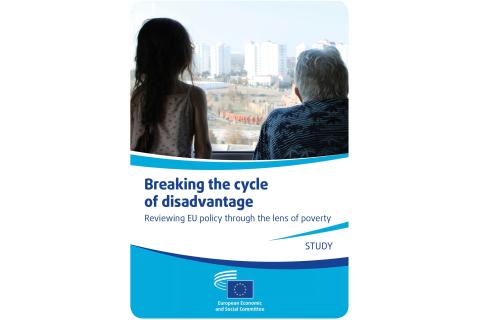
A new study by the European Economic and Social Committee (EESC) highlights the intergenerational aspect of poverty and presents an evidence-based definition of this phenomenon based on 10 key drivers. It examines how EU policy addresses these factors and identifies areas where further action is needed, particularly with regard to parental education levels and family stability. 

Read more in all languages

By the EESC's Civil Society Organisations' Group

A new study by the European Economic and Social Committee (EESC) highlights the intergenerational aspect of poverty and presents an evidence-based definition of this phenomenon based on 10 key drivers. It examines how EU policy addresses these factors and identifies areas where further action is needed, particularly with regard to parental education levels and family stability. 

The study on Breaking the cycle of disadvantage - Reviewing EU policy through the lens of poverty was published in connection with the EU's first-ever Anti-Poverty strategy, presented by the European Commission in May 2026.  

Cillian Lohan, president of the EESC's Civil Society Organisations' Group, which requested the study, said: ‘With this study, we draw attention to the deep-rooted factors that perpetuate poverty over one’s life course and across generations, something we call "intergenerational poverty". The EU must strongly support Member States' efforts to combat poverty and ensure that policies reach local communities. Civil society, drawing on its long-standing commitment and expertise, stands ready to contribute.’ 

The EESC study identifies 10 key drivers of intergenerational poverty and analyses how 32 selected EU policy instruments address them and could be improved. It highlights the importance of examining parental education levels and family stability, and proposes an evidence-based definition of intergenerational poverty. 

The EU Anti-Poverty strategy emphasises that new investments and reforms need to be poverty-proof. The EESC study provides a novel research framework that could help the European institutions assess the potential impact of future policies on intergenerational poverty from the earliest stages of policy design. It also offers valuable insights for shaping the EU's next long-term budget (2028-2034), which is currently still under negotiation. 

The EESC, along with its Civil Society Organisations' Group, have long been active in addressing the issue of poverty, with the EESC preparing to sign a memorandum of understanding on the EU Anti-Poverty strategy between its President, Séamus Boland, and European Commission Vice-President, Roxana Mînzatu. This study reflects and complements the EESC's commitment to working towards eradicating poverty. The EESC will soon deliver its views on the proposals for the Anti-Poverty strategy, on strengthening the EU Child Guarantee and on the role of civil society in Europe's fight against poverty. 

The group remains committed to the fight against poverty by advocating policies that support and empower communities, in line with the Agenda for Sustainable Development, which lies at the heart of its work programme for the 2025-2028 term. 

Further information on the study can be found in an interview with the authors and on our dedicated website, which also includes an executive summary. 

In focus: Poverty

EESC AGAINST POVERTY: TACKLING POVERTY ON EVERY FRONT

Poverty is about more than a lack of income. It means being unable to afford food, heating, healthcare or secure housing, or participate fully in society. To mark the International Day for the Eradication of Poverty, the European Economic and Social Committee (EESC) highlights its longstanding call for coordinated European action to tackle its many interconnected causes. 

Read more in all languages

Poverty is about more than a lack of income. It means being unable to afford food, heating, healthcare or secure housing, or participate fully in society. To mark the International Day for the Eradication of Poverty, the European Economic and Social Committee (EESC) highlights its longstanding call for coordinated European action to tackle its many interconnected causes. 

The EESC will step up its work against poverty at its plenary session on 21 and 22 October with opinions on the EU Anti-Poverty strategy and intergenerational poverty; strengthening the European Child Guarantee; housing exclusion and homelessness; and the role of civil society.

The EESC’s focus on poverty will culminate on 22 October in a high-level conference hosted by EESC President Séamus Boland on Eradicating poverty by 2050 – fulfilling our collective responsibility, which will bring together EESC members, MEPs and representatives of the European Commission, as well as top civil society organisations actively combatting poverty.

Mr Boland and Roxana Mînzatu, Executive Vice-President of the European Commission responsible for Social Rights and Skills, Quality Jobs and Preparedness, will sign a memorandum of understanding between the European Commission and the EESC on the EU Anti-Poverty strategy. 

Applications for the EESC’s Civil Society Prize on poverty are still open  

The 16th edition of the EESC’s flagship Civil Society Prize will reward excellence in civil society initiatives on combating poverty in the EU. The deadline for applications is 6 November 2026 at 10.00 (CET). All further information can be found here.  

The EESC’s longstanding work on poverty

Over the years the EESC has put forward a wide range of proposals tackling poverty from different angles.  

This includes an opinion on adequate minimum income, which calls for minimum income schemes to be based on transparent and accurate evaluations of housing, food, water, energy, healthcare and transport costs in order to allow everyone to live in dignity.  

It also includes an opinion on the European Child Guarantee, which stresses the importance of targeted family support, including adequate incomes, family-friendly working arrangements and early education and healthcare to support children directly. The EESC will vote on a new opinion on the Child Guarantee at its October 2026 plenary session.  

Amidst rising energy prices, the EESC has also called for equal access to affordable energy to become an absolute priority, proposing an EU strategy that incorporates all levels of European society, from EU institutions to local authorities and businesses.  

A 2023 opinion which advocates an EU homelessness strategy makes a call to shift from managing homelessness to ending it by 2030 using the ‘Housing First’ principle – a proposal that asserts that stable accommodation is the starting point for reintegration. 

In addition, an EESC opinion on the social economy and poverty highlights the primary role of the state in combating poverty, while underlining how cooperatives, associations, mutual societies, foundations and social enterprises can provide essential services to complement public action.  

Finally, in 2025, the EESC produced an opinion on the cost-of-living crisis, calling for investment in people and the economy, progressive taxation, affordable public services and targeted support for those most at risk, without losing sight of the role of civil society organisations in reaching people facing the greatest difficulties.  

All of this work came together in the EESC’s recent opinion on the EU Anti-Poverty strategy. The Committee stresses that the strategy should include measurable targets, proper funding and effective monitoring if it is to eradicate extreme poverty. It also reiterates that it is imperative that people experiencing poverty and social partners and civil society organisations be involved at every stage.

ENERGY POVERTY LEAVES PEOPLE EXCLUDED

Energy poverty is not just about struggling to heat a home in winter. It can also mean being unable to afford cooling during a heatwave or living in a poorly insulated flat with no say over improvement. Research by the Romanian Energy Poverty Observatory (ORSE) reveals how households can struggle, yet remain invisible to support schemes. EESC and ORSE member and energy and sustainability expert Corina Murafa talked to EESC Info about these gaps and what needs to change to make Europe’s energy transition fairer. 

Read more in all languages

Energy poverty is not just about struggling to heat a home in winter. It can also mean being unable to afford cooling during a heatwave or living in a poorly insulated flat with no say over improvement. Research by the Romanian Energy Poverty Observatory (ORSE) reveals how households can struggle, yet remain invisible to support schemes. EESC and ORSE member and energy and sustainability expert Corina Murafa talked to EESC Info about these gaps and what needs to change to make Europe’s energy transition fairer. 

Energy poverty is often associated with households unable to afford heating in winter. What other forms does it take, and what does your work with ORSE reveal about the scale and complexity of the problem in Romania?  

Unfortunately, energy poverty is far from black and white. If it were simply a matter of households struggling to pay their heating bills we would have solved it long ago. At the Romanian Energy Poverty Observatory (ORSE) we encounter many less visible forms of vulnerability. Let me highlight three.  

First, summer energy poverty. With increasingly frequent and intense heatwaves, a household with an otherwise decent income may suddenly face electricity bills five times higher than usual just to maintain safe indoor temperatures. For families with children or elderly members, cooling is not a luxury but a health necessity. These additional costs can temporarily push households below relative poverty threshold.  

Second, hidden energy poverty. Some households have effectively given up on meeting their basic energy needs. They consume abnormally little, not because their homes are efficient but because they cannot afford adequate heating, cooling or other essential services.  

Third, administrative invisibility. Romania's financial support mechanisms should theoretically reach around two million people, but in practice they have been assisting barely 800 000. Local authorities often lack the capacity, and sometimes the willingness, to identify vulnerable households and actively help them access benefits. Energy poverty is therefore not just about affordability. It is also about exclusion.  

Your research highlights vulnerabilities that can be overlooked, including among tenants, single mothers and households that are not necessarily on the lowest incomes. Why do existing approaches to identifying and supporting people experiencing energy poverty sometimes miss these groups?  

One fundamental problem is that governments operate in silos. Public databases rarely communicate, and eligibility for assistance is determined through an excessively narrow lens. 

Ideally, we should integrate at least three datasets: household income, actual energy consumption and the energy performance of homes. Only by examining these together can we understand whether a household can afford the energy services required for a decent standard of living.  

In Romania, however, support mechanisms largely rely on income alone. This misses households with modest but not extremely low incomes living in highly inefficient buildings, as well as tenants or single-parent families facing disproportionate energy costs.  

We need to move beyond a simplistic income threshold towards a multidimensional understanding of vulnerability. Otherwise, many people experiencing genuine energy poverty will remain statistically invisible and excluded from support.  

Poor housing conditions can make energy more expensive, while high energy costs can leave households with little money to improve their homes. How can policymakers break this cycle and ensure that energy-efficiency renovations benefit the people who need them most?  

The first priority is better targeting of public investment. EU cohesion funding and affordable housing programmes should explicitly prioritise the most energy-vulnerable households and the worst-performing buildings.  

Across several Member States, we have seen a troubling pattern: wealthier municipalities, with stronger administrative capacity and greater ability to cofinance projects, are often better positioned to access EU renovation funds. Yet these are not necessarily the places with the greatest needs.  

We must reverse this logic. Funding allocation should reflect vulnerability and building performance, not merely the ability to prepare successful applications.  

A second priority is addressing the landlord‑tenant dilemma. In countries with substantial rental markets, tenants often pay energy bills while landlords control renovation decisions. We need innovative financing and incentive mechanisms that align their interests, protect tenants against excessive rent increases and make deep renovation accessible regardless of property ownership.  

As Europe moves towards a more climate-neutral energy system, how can the transition reduce energy poverty rather than deepen existing inequalities? What role can citizens and local communities play in shaping energy policies and benefiting from the transition?  

First, we must defend ETS2 and the Social Climate Fund. The redistribution mechanisms associated with carbon pricing offer an important opportunity to finance energy-efficiency improvements, cleaner heating and more affordable mobility for vulnerable households.  

Some Member States are pushing to weaken or abandon ETS2. But abandoning the system would also undermine the financing and policy architecture designed to make the transition socially fair. The answer is not to abandon carbon pricing but to ensure that its revenue is effectively redistributed and that vulnerable households receive meaningful support.  

Second, citizens must become genuine participants in energy policymaking. While initiatives such as the EU Citizens' Energy Forum exist, meaningful engagement at national level remains disappointingly limited. Too often, citizens are consulted as an afterthought rather than treated as partners. 

The upcoming revision of the Energy Union Governance Regulation should strengthen the partnership principle, ensuring that citizens, civil society and local communities have a real voice in shaping national energy and climate policies.  

Based on your experience, what changes are most urgently needed at European, national and local level to ensure that everyone can access the energy they need for a decent standard of living? How can civil society contribute to these changes?  

Three measures deserve particular attention, reflecting priorities we have advanced within the European Economic and Social Committee in relation to the Citizens Energy Package.  

First, stronger protection against electricity and gas disconnections for vulnerable consumers. Access to essential energy services should not disappear simply because a household experiences temporary financial hardship.  

Second, an effective, independent energy ombudsperson mechanism, providing consumers with accessible advice, mediation and redress when dealing with energy suppliers and other market actors.  

Third, a dedicated European facility supporting energy communities, particularly those involving vulnerable citizens. Energy communities can democratise energy production and share its economic benefits, but without targeted technical and financial assistance they risk becoming another opportunity accessible mainly to affluent, well-organised households.  

At national level, governments must identify vulnerability more effectively and coordinate social, housing and energy policies. Locally, authorities must proactively reach households that existing schemes overlook.  

Civil society has a crucial role to play in identifying these blind spots, bringing evidence from affected communities into policymaking and holding institutions accountable. 

Dr Corina Murafa is an independent public policy expert, activist and university lecturer specialising in climate, energy and sustainability. A member of the European Economic and Social Committee since 2023, she represents civil society organisations working on climate and energy. She is also a member of the Romanian Energy Poverty Observatory (ORSE) and lectures at the Bucharest University of Economic Studies. Her work focuses on the just energy transition, energy poverty and corporate ESG transformation. She has collaborated with different private and public organisations including the World Bank, the European Commission, the Environmental Defense Fund and Frankfurt School of Management, large multinationals, governments, NGOs and think tanks. 

NO STRATEGY CAN SUCCEED WITHOUT ADEQUATE FUNDING

The European Commission launched the EU’s first ever Anti-Poverty Strategy in May 2026, promising to tackle poverty’s root causes with a view to eradicating it by 2050. But can the EU deliver on its promise without putting the necessary money on the table? In an interview with EESC Info, MEP João Oliveira, a rapporteur for the European Parliament’s report on the strategy, discusses what is missing from the EU Anti-Poverty Strategy, what the next long-term budget reveals about the EU’s commitment to tackling poverty, and why a fundamental change in approach is needed to make a difference in people’s lives. 

Read more in all languages

The European Commission launched the EU’s first ever Anti-Poverty Strategy in May 2026, promising to tackle poverty’s root causes with a view to eradicating it by 2050. But can the EU deliver on its promise without putting the necessary money on the table? In an interview with EESC Info, MEP João Oliveira, a rapporteur for the European Parliament’s report on the strategy, discusses what is missing from the EU Anti-Poverty Strategy, what the next long-term budget reveals about the EU’s commitment to tackling poverty, and why a fundamental change in approach is needed to make a difference in people’s lives. 

In December 2025, you were the rapporteur for the European Parliament’s report on developing a new EU Anti-Poverty Strategy. Which of your report’s key recommendations made it into the Commission’s strategy, and where do you see the biggest gap? 

Some of the elements set out in the European Parliament’s report were reflected in the European Commission’s strategy as guiding principles. These included the objective of eradicating poverty; the need for a comprehensive, integrated approach to tackling its various dimensions; greater consideration of the specific needs of different social groups; adequate funding; and the participation of people experiencing poverty in decision-making. However, the strategy’s main shortcoming is the lack of political commitment to implementing measures linked to its stated priorities. 

Among other things, your report calls for a ‘paradigm shift’ in tackling poverty. What would that mean in practice, and does the adopted strategy deliver it?  

The paradigm shift rests on three key considerations. First, poverty reflects the unequal distribution of wealth, making greater equality a fundamental requirement. Second, poverty is not merely a consequence of insufficient income or lack of employment, but also a denial of human rights, understood as political, economic, social and cultural rights. This calls for a rights-based approach. Finally, these considerations require a shift away from fragmented measures towards coordinated, holistic policies that address poverty’s multidimensional nature and its root causes at every stage of life. 

Your report calls for people experiencing poverty to help shape and assess the policies that affect them. What would meaningful participation look like, and does the strategy give them a sufficient say? 

Meaningful participation requires people with lived experience of poverty to be involved in defining, implementing and evaluating policies that affect them. It is not enough to simply listen to people living in poverty; their experiences and opinions must be taken into account, and the needs they identify must be addressed. The effectiveness of the political participation framework proposed in the Commission’s strategy will ultimately depend on its ability to address the concrete issues people face in their day-to-day lives.

Your report also stipulated ‘the allocation of adequate and sustained budgetary resources for anti-poverty measures through the MFF and national budgetary mechanisms’. The next MFF is still under negotiation, but from what you’ve seen of its proposed shape so far, is it on course to allocate enough funding to adequately address poverty, and is poverty high enough on the agenda of its negotiations? 

The proposed MFF for 2028-2034, whether in its original form as presented by the European Commission or in the more recent iterations put forward by the Cyprus and Irish Presidencies, falls short of providing the substantial budgetary resources needed to eradicate poverty and, in some respects, moves in the opposite direction. The prioritisation of military spending at the expense of cohesion funds, the significant reduction in the amounts allocated to social policies, including the European Social Fund budget and the Fund’s non-autonomous status within the forthcoming NRPP framework are examples of this. 

We have consistently called for specific budgetary allocations in the next MFF to address poverty, including an additional EUR 50 billion in dedicated funding for the strategy, on top of the EUR 20 billion allocated to the European Child Guarantee, as well as an additional EUR 35 billion specifically earmarked for expanding and upgrading the public housing stock. 

Without the necessary financial commitments, no strategy can achieve its objectives. The European Commission’s current approach therefore leaves little room for success in the fight against poverty. 

João Oliveira is a Member of the European Parliament for the Portuguese Communist Party. He acted as the rapporteur for the First EU Anti-Poverty Strategy, having previously served as Member of the Portuguese Parliament from the 10th to the 14th Legislature. Currently serving as a local councillor in the City Hall of Évora.

ENDING POVERTY BY 2050: PUTTING PEOPLE BEFORE GROWTH

 Poverty is not inevitable. It reflects how we relate to and take responsibility for one another, how our economies are organised, how resources are shared and whose interests are prioritised. Different choices are possible. Ending poverty requires listening to people experiencing poverty and marginalisation, upholding their dignity and ensuring that their voices shape decisions that affect their lives. It also means moving beyond economic growth as the primary answer and putting human dignity, rather than profit, at the heart of all policies in Europe and beyond. Because growth can, and often does, leave poverty untouched and can coexist with inequality and exclusion, writes Maria Nyman, Secretary General of Caritas Europa. 

Read more in all languages

Poverty is not inevitable. It reflects how we relate to and take responsibility for one another, how our economies are organised, how resources are shared and whose interests are prioritised. Different choices are possible. Ending poverty requires listening to people experiencing poverty and marginalisation, upholding their dignity and ensuring that their voices shape decisions that affect their lives. It also means moving beyond economic growth as the primary answer and putting human dignity, rather than profit, at the heart of all policies in Europe and beyond. Because growth can, and often does, leave poverty untouched and can coexist with inequality and exclusion, writes Maria Nyman, Secretary General of Caritas Europa. 

For Caritas, ending poverty means more than addressing a lack of income. It means recognising people’s lives and experiences, upholding their dignity and respecting their rights. This requires a culture of encounter that recognises people experiencing poverty and exclusion as active participants in shaping their futures. 

One fundamental barrier to ending poverty is the gap between political ambitions and the economic and political choices that continue to reproduce it. Addressing this gap requires action on two fronts. 

First, people experiencing poverty must be at the centre of policymaking. Poverty is multidimensional, encompassing not only income and access to basic needs, but also inequality, discrimination, marginalisation, loneliness, broken relationships, powerlessness and limited choices. Policymakers must listen directly to people experiencing poverty, meet them in their communities and learn from their experiences and proposed solutions. Their participation, alongside that of civil society organisations and social service providers such as Caritas, must meaningfully shape the design, implementation, monitoring and evaluation of anti-poverty policies. Consultation must be serious and authentic, ensuring people’s voices genuinely influence decisions affecting their lives. 

Second, we must move beyond economic growth and employment as the primary responses to poverty. Economic growth alone does not eradicate poverty or ensure that everyone benefits equally. Economic growth can, and often does, coexist with deep inequalities and social exclusion. Decent work and social protection must be recognised as fundamental rights, not merely tools for growth and competitiveness. Ending poverty requires addressing its structural causes, including unequal access to quality education, labour market discrimination, unaffordable housing, inadequate social protection, intergenerational disadvantage and the breakdown of families, social relationships and support networks. It also requires greater public investment in essential services and support for local businesses and the social economy.

These priorities must guide EU external policies as well as its domestic agenda. Cooperation with countries in Africa, Latin America and the wider Global South must respond to their priorities and reduce poverty and inequality, rather than primarily serving European economic and geopolitical interests. Initiatives such as Global Gateway must demonstrate their contribution to wellbeing, local economic development and access to essential services. This means addressing unequal trade relations, international taxation imbalances, debt and constraints on countries’ ability to invest in their populations. International development cooperation remains essential, but aid alone cannot resolve the structural inequalities that perpetuate poverty. 

Ending poverty must go hand in hand with protecting our common home. The current economic model puts increasing pressure on natural resources and communities, particularly in the Global South, where people often suffer the most severe consequences of climate change despite contributing least to it. Social and environmental policies must reinforce one another, ensuring the green transition protects livelihoods, reduces inequalities and does not leave people experiencing poverty further behind. 

Turning commitments into action requires adequate funding and stronger EU–Member State coordination. As negotiations begin on the 2028–2034 Multiannual Financial Framework, social investment must be prioritised across relevant EU funding instruments, including cohesion funds. Funding must reach frontline not-for-profit organisations, with administrative and reporting requirements that do not divert resources from essential services. Clear responsibilities and effective coordination between European and national anti-poverty policies are equally necessary. 

Finally, the EU must maintain its commitment to international development cooperation, recognising that poverty within Europe cannot be addressed in isolation from global inequalities and environmental challenges. 

For Caritas, the principle is simple: people and the planet must come before profits. Ending poverty by 2050, in Europe and beyond, requires the courage to change the systems that perpetuate it, share resources more fairly and listen to people experiencing poverty and exclusion as active participants in shaping their futures. 

More information is available in the Caritas publication Going beyond economic growth. 

Maria Nyman is Secretary General of Caritas Europa, one of the seven regions of Caritas Internationalis, the global confederation of Catholic charity organisations. She took up the position in May 2019, after being elected the previous year by Caritas Europa’s 49 member organisations, which work with and for people in the most marginalised and vulnerable situations across 46 European countries. Based in Brussels, the Caritas Europa secretariat conducts advocacy at European and international level, supports capacity building for the network and coordinates humanitarian support when an emergency hits Europe. Maria previously led Mental Health Europe and worked at the European Disability Forum. She holds a Master’s in Law from the University of Uppsala in Sweden. 

EUROPE’S FOOD PARADOX: MILLIONS OF TONNES WASTED, MILLIONS STRUGGLING TO AFFORD A MEAL

The European Food Banks Federation (FEBA) represents 480 food banks and helps over 13 million people across Europe every year, with the support of more than 100 000 volunteers. In this article for EESC Info, FEBA highlights the vital role food banks play in meeting immediate needs, but it also stresses that redistribution alone cannot address the root causes of food poverty, and argues that Europe must act on three fronts if it is to tackle both food poverty and food waste. 

Read more in all languages

The European Food Banks Federation (FEBA) represents 480 food banks and helps over 13 million people across Europe every year, with the support of more than 100 000 volunteers. In this article for EESC Info, FEBA highlights the vital role food banks play in meeting immediate needs, but it also stresses that redistribution alone cannot address the root causes of food poverty, and argues that Europe must act on three fronts if it is to tackle both food poverty and food waste. 

Around 58 million tonnes of food waste are generated in the European Union every year. Meanwhile, 8.5% of its population cannot afford a meal containing meat, fish or a vegetarian equivalent every second day. Food is discarded while access to a nutritious diet remains beyond reach for millions. 

Food banks work where these realities meet. They recover safe, edible surplus from farms and businesses and redistribute it to organisations supporting people facing hardship. For 40 years, the European Food Banks Federation (FEBA) has supported this work and advocated for policies that enable it. 

In 2025, FEBA’s network brought together 480 food banks and more than 100 000 volunteers. Its members redistributed approximately 861 000 tonnes of food from different sources, reaching over 13 million people across Europe. 

This infrastructure combines warehouses, transport, expertise and trusted local partnerships. Reproducing its capacity through public provision would require considerable resources. A Deloitte study in the Netherlands estimated that each euro donated to food banks generated 12 euros in social value, illustrating the potential of combining donations, volunteer commitment and professional coordination. 

But its contribution goes beyond quantities distributed or economic value. 

Food assistance also opens pathways towards inclusion. Through local organisations, it can build trust, reduce isolation and connect people with services and opportunities. People experiencing poverty must also have a voice when it comes to shaping the policies intended to support them. 

Food banks meet an immediate need by providing nutritious food suited to people’s circumstances while respecting dignity, choice and accessibility. However, redistribution alone cannot change inadequate incomes, insecure employment, unaffordable housing or gaps in social protection. Policies that address these root causes must be put in place and work side by side with food banks. 

As food waste prevention improves, some traditional sources of surplus may decline, while demand for food assistance continues to grow. However, enormous quantities of safe, edible food are still lost or wasted across the food supply chain, from primary production to retail. Our priority must therefore be to strengthen the capacity of food banks to recover and redistribute more of this food, investing in collection, sorting, processing, transport and storage infrastructure. At the same time, instruments such as ESF+ material assistance can support complementary food purchases where donations are insufficient, helping ensure access to adequate and nutritious food for those who need it. 

These challenges informed a discussion convened by FEBA and the European Food Forum at the European Parliament on 29 September to mark the International Day of Awareness of Food Loss and Waste. The exchange connected policy ambitions with recovery challenges, particularly in agriculture. 

Europe now needs to act on three fronts. 

First, ring-fence funding for food and basic material assistance in the next long-term EU budget. Predictable support must cover redistribution costs, accompanying measures for inclusion and complementary food purchases, through accessible procedures that respect organisations’ independence. 

Second, make safe donation easier. Through the Global Food Donation Policy Atlas, FEBA is working with Harvard Law School’s Food Law and Policy Clinic to map national legislation and identify barriers and opportunities for donation. This evidence supports advocacy alongside implementation of the revised Waste Framework Directive. Public support must also enable agricultural recovery and equip frontline organisations: farmers and charities cannot absorb recovery costs without funding. 

Third, connect social and environmental objectives. Prevention must remain the priority. Not all food waste is edible or recoverable, but suitable surplus should remain available for human consumption, preserving its nutritional value and making better use of resources. 

Climate pressures reinforce this responsibility. FEBA has launched a pilot with the Global FoodBanking Network and participating food banks to measure methane emissions avoided through recovery and redistribution. It will strengthen the evidence available in Europe on the sector’s climate contribution alongside its social role. 

For employers, trade unions, civil society and public authorities, this is a shared agenda. Stronger social protection, effective donation partnerships and sustained investment must reinforce one another. 

Europe must tackle the poverty that makes food assistance necessary while supporting the infrastructure that delivers it today. Food banks turn solidarity into daily action. They deserve public policy that matches that commitment. 

The European Food Banks Federation (FEBA) is a non-profit organisation founded in 1986 that brings together and supports food banks across Europe, representing their interests at European and international level. It works to combat food insecurity and reduce food waste by promoting the recovery and redistribution of surplus food to charities supporting people in need.

HUNGER AMID ABUNDANCE: A WASTED OPPORTUNITY

Food insecurity and reliance on food banks are on the rise, yet thousands of tonnes of perfectly good food continue to go uneaten every day. In the EU alone, around 58 million tonnes of food waste is generated annually. We spoke to Angela Ruttledge, Head of Policy at FoodCloud, an Irish organisation that connects businesses with food charities to coordinate donations and reduce waste. She told us about FoodCloud’s work, the growing demand for food support, and what Europe needs to do to significantly reduce food waste and poverty. 

Read more in all languages

Food insecurity and reliance on food banks are on the rise, yet thousands of tonnes of perfectly good food continue to go uneaten every day. In the EU alone, around 58 million tonnes of food waste is generated annually. We spoke to Angela Ruttledge, Head of Policy at FoodCloud, an Irish organisation that connects businesses with food charities to coordinate donations and reduce waste. She told us about FoodCloud’s work, the growing demand for food support, and what Europe needs to do to significantly reduce food waste and poverty. 

How does food that would otherwise go to waste reach someone who needs it through FoodCloud? Could you walk us through the process and give us a sense of its scale? How much food do you save, and how many people does it help feed?  

Internationally, FoodCloud uses its digital platform to connect businesses with over 3 800 charities and charitable community groups across six different countries. In Ireland, we also have three hubs in Dublin, Cork and Galway, where donations and collections are carried out.  

Our app gives food banks and charities access to surplus uploaded via the platform from retailers.  

Since 2013, we’ve redistributed around 500 million meal equivalents, or around 212 thousand meals a week. This has also saved 558 thousand tonnes of CO2 equivalent.  

Our digital platform allows us to scale up our operations with food banks around the globe. For example, we work in Kenya with local partner Food Banking Kenya, and will be launching projects with two more countries in Africa next year, along with two additional countries in Europe.  

Our ambition is to redistribute 1 billion meals by 2030. As we expand our geographical reach connecting more surplus with the communities that need it most, we’re confident that our impact will continue to grow exponentially towards our vision of a world where no good food goes to waste.  

What do the charities and organisations you work with tell you about the trends that they are observing with regard to food poverty today?  

Our community partners tell us that demand for food support is growing, and that financial pressures are affecting people across different circumstances. In our July 2026 survey of our community partners, 66% reported increased demand over the previous six months.  

Organisations describe supporting older people struggling on pensions, families facing rising rents, and people working full time who still cannot make ends meet. One parent supported by Waterford Food Bank described skipping meals so that their children could eat, highlighting the difficult choices households face. 

According to the Barnardos Cost of Living – Impact on Children 2026 report, 20% of parents said that they or their children had to go without or cut back on food, with 44% skipping meals. Globally, an estimated 2.1 billion people – 25.8% of the population – experienced moderate or severe food insecurity.

Meanwhile, we know that there are thousands of tonnes of perfectly good food that go uneaten. This is a wasted opportunity; a missed opportunity to make our food system more sustainable, and a missed chance to use food to bring people together and build resilience.  

Partners also stressed that having enough food and being able to eat healthily are closely connected. Some 64% find it challenging to help service users eat healthily, while 89% believe people would benefit from a greater knowledge of nutrition. They identified limited cooking skills, dietary awareness and health conditions as barriers.  

Food support also sits alongside wider needs: 70% of surveyed partners provide additional services beyond food. Community meals offer connection as well as nourishment, particularly for people experiencing isolation.  

For these organisations, surplus food helps stretch limited resources. Again, 64% said that savings from accessing surplus food allow them to redirect funding towards other essential services, helping them respond to the broader pressures affecting the people they support.  

From your experience, what is stopping more surplus food from reaching people who cannot afford enough to eat? What needs to change, both in business practices and public policy, to waste less food and help more people?  

Getting safe, nutritious surplus food to people experiencing food insecurity requires much more than a willingness by food businesses to donate surplus food.  

Public policy must support both donors of surplus food and the organisations receiving food.  

Businesses need to make food waste prevention and redistribution part of everyday operations. This means measuring waste, improving forecasting, training staff and establishing reliable donation partnerships. Edible surplus should be assessed for donation before it goes to recovery or disposal. Clear targets and consistent reporting would help businesses identify opportunities and demonstrate progress. 

We recognise the effort involved in donating perfectly good surplus food. Therefore, we recommend tax incentives covering donated food and associated logistics, clear official food safety guidance and liability protection for businesses and redistributors complying with safety requirements. We believe the donation provision set out in the EU’s revised Waste Framework Directive represents a valuable opportunity to create a robust national donation programme.  

But donation at scale cannot happen without the organisations that connect these donations to community groups, or efforts to increase the capacity of these groups to make use of surplus food.  

Food needs to be identified, collected, stored and redistributed safely, often within tight timeframes. Our research highlights gaps in transport, cold storage, staffing and funding that limit how much food community organisations can accept. 

How can governments and EU institutions work more effectively with civil society organisations like yours to tackle food poverty? What support would make the biggest difference? 

Governments and EU institutions should involve civil society organisations in designing, implementing and evaluating food poverty policies, drawing on our practical experience and the voices of people using community services. Regular dialogue must translate into coordinated action across social protection, health, agriculture and environmental policies. 

Groups need fridges, freezers, vehicles and suitable buildings. They also need money for electricity, fuel, insurance, maintenance and staff. Buying a van is only part of it. Someone has to drive it, organise the collections and pay to keep it on the road. 

Short-term project funding can help something get started. But people also need to know how they will keep it going once that funding ends. We therefore recommend multiannual core funding for community food organisations. It gives them some certainty and allows them to plan. 

We also recommend funded local food coordinators and shared infrastructure to strengthen connections between donors and community groups. Importantly, EU funding should be easier for smaller organisations to access, with proportionate application and reporting requirements. 

Food support should connect people with wider services and entitlements through innovative models like social supermarkets offering wraparound services. Redistribution can ease immediate pressures, but effective partnership must also address the underlying causes of food poverty and protect people’s dignity. 

Angela Ruttledge is Head of Policy at FoodCloud. An Eisenhower Fellow, solicitor, non-executive director and former restaurateur, Angela is a passionate advocate for food sharing, food justice and circular economy solutions. 

LESS WASTE, LESS TO SHARE: WHY EUROPE’S FOOD BANKS NEED A NEW DEAL WITH THE FOOD CHAIN

Europe’s progress in reducing food waste is definitely good news for the climate and society. But every victory comes at a cost, and this one is paid by Europe’s food banks: at a time when demand for their services is rising, they are receiving fewer surplus food donations. The answer to this paradox is not to waste more but to stop relying on chance, writes Voedselbanken Nederland, an association of 181 independent Dutch food banks. For EESC Info, it draws on the Dutch example to outline how food surpluses can be better managed at national and European level to prevent shortages at food banks. 

Read more in all languages

Europe’s progress in reducing food waste is definitely good news for the climate and society. But every victory comes at a cost, and this one is paid by Europe’s food banks: at a time when demand for their services is rising, they are receiving fewer surplus food donations. The answer to this paradox is not to waste more but to stop relying on chance, writes Voedselbanken Nederland, an association of 181 independent Dutch food banks. For EESC Info, it draws on the Dutch example to outline how food surpluses can be better managed at national and European level to prevent shortages at food banks. 

On 30 September, an unusual delivery arrived at the food bank in Utrecht: jars of pasta and tomato sauce made from vegetables that would otherwise have been thrown away. They were the first products from Social Food, a new initiative we launched with the Dutch foundation Samen Tegen Voedselverspilling (United Against Food Waste). In its first production run, around 18 500 kilos of surplus tomatoes and peppers were turned into 44 000 jars of sauce for more than 35 000 households. 

Behind those jars lies a paradox that every food bank in Europe will soon face. 

Good news with a side effect 

Europe is winning the fight against food waste. In the Netherlands, food waste fell by 17% between 2015 and 2023. Supermarkets and producers plan better and discount products before the end of their shelf life. The revised EU Waste Framework Directive now sets the first binding targets for 2030: a 10% reduction in food waste from processing and manufacturing and a 30% per capita reduction in retail, restaurants and households. 

This is good news for the climate and society. But food banks have always depended on surplus food. As the surplus shrinks, so does what we can share. In 2023, donations of essential products to Dutch food banks fell by 20%, and supplies have continued to fall by more than 8% a year since then. Meanwhile, demand keeps rising. Last year, our 181 food banks helped 155 600 people, 7.5% more than the year before. 

Less waste must not mean less solidarity. The answer is not to waste more. The answer is to stop relying on chance. 

What we have learned in the Netherlands 

Dutch food banks are a citizens’ initiative. They are run by more than 14 000 volunteers, and our national network has grown from the bottom up. That independence is our strength. It has also forced us to find new answers quickly, three of which have had results:

First, turn residual streams into products. Social Food brings growers, processors and logistics partners together to turn surplus raw materials into soups, sauces and preserves that can be stored for months. It works because the whole chain is at the table. It was made possible with support from Rabobank, the Dutch Ministry of Agriculture, Fisheries, Food Security and Nature, and the province of South Holland. 

Second, donate more than leftovers. Some partners now donate part of their regular production, not only what is left over. A single vegetable producer donated 600 000 jars and bags in one year. Every store in one Dutch supermarket chain passes on products close to their expiry date to its local food bank. 

Third, use public money to fill gaps, not to take control. With support from the European Social Fund Plus, the independent foundation Voedselvangnet buys products that donations no longer supply, such as long-life milk, pasta, oil and toothpaste. The food banks themselves remain independent and volunteer-run. 

Food aid is not a substitute for decent incomes or good social policy. It can, however, be a stepping stone. Through our project Onder de Radar (‘Under the Radar’), we work with debt-advice organisations to reach people earlier and refer them for further support. Around 31% of the people we help no longer need a food parcel within six months, and 50% no longer need one within a year.

What Europe can do now 

The food chain has become far more efficient. Solidarity must become just as deliberate. Three steps would make a real difference: 

  1. Member States: when transposing the revised Waste Framework Directive, make agreements with food banks on donations and the processing of surplus food into new products a standard part of national food-waste plans. 

  1. Businesses: donate a fixed share of regular products, raw materials or production capacity, not only surplus products nearing the end of their shelf life. 

  1. The EU: maintain recognisable support for food aid in the next long-term budget, so that food banks can buy what donations no longer cover without turning volunteer organisations into state agencies. 

The problem is not a shortage of food, but how we organise its distribution. 

This World Food Day, our message to Europe’s employers, workers and civil society is simple: as food waste falls, solidarity must be planned.

Voedselbanken Nederland is the association of 181 independent food banks across the Netherlands, run by more than 14 000 volunteers and supported almost entirely by private and corporate donations. In 2025, its members helped 155 600 people, while working with partners across the food chain, through initiatives such as Social Food, to turn surplus food into help for those who need it most. 

POVERTY IN OLD AGE: EUROPE MUST DO BETTER

For many Europeans, retirement can turn a lifetime of work into a struggle to make ends meet. Across the EU, almost one in five people aged 65 and over is at risk of poverty, with the figure reaching 30-40% in some countries, particularly in the Baltic states and Eastern Europe. Sarah Loriato of AGE Platform Europe, the EU’s largest network of non-profit organisations representing and supporting older people, told EESC Info about how ageism and other inequalities drive old-age poverty, the gaps in the EU Anti-Poverty Strategy and the action needed at national level to enable older people to live in dignity.

Read more in all languages

For many Europeans, retirement can turn a lifetime of work into a struggle to make ends meet. Across the EU, almost one in five people aged 65 and over is at risk of poverty, with the figure reaching 30-40% in some countries, particularly in the Baltic states and Eastern Europe. Sarah Loriato of AGE Platform Europe, the EU’s largest network of non-profit organisations representing and supporting older people, told EESC Info about how ageism and other inequalities drive old-age poverty, the gaps in the EU Anti-Poverty Strategy and the action needed at national level to enable older people to live in dignity. 

AGE Platform Europe has described the new EU Anti-Poverty Strategy as a positive step. What, in your view, does it get right, and where does it fall short when it comes to older people?  

The EU Anti-Poverty Strategy is a positive step. It is the first comprehensive EU initiative to address poverty across the life course and explicitly recognises older people as a group at risk of poverty and social exclusion.  

We welcome its focus on adequate income and access to essential services, including healthcare and housing, as well as the Commission’s commitment to involve people experiencing poverty in shaping solutions. We hope this will translate into meaningful participation of older people and their representatives in implementation and monitoring.  

However, the strategy still frames poverty primarily as a barrier to competitiveness and growth. Poverty eradication should first and foremost be pursued as a matter of human rights, equality and social justice. It also falls short in addressing structural drivers of old-age poverty, including ageism.  

The EU’s strategy to combat poverty is a concrete measure that can underpin the European Union’s leadership in the ongoing negotiations towards the adoption of a United Nations Convention on the Rights of Older People. This requires a firmly grounded human rights-based approach that addresses poverty in older age not merely as an economic concern, but as a barrier to the enjoyment of fundamental rights, dignity, autonomy and full participation in society.  

In your 2025 policy paper on tackling old-age poverty, you identify ageism as a major obstacle to addressing poverty among older people. Does the new strategy do enough to tackle ageism and its role in creating or deepening poverty in later life?  

No. While older people are identified as a group at risk of poverty, the strategy does not sufficiently recognise ageism as a structural driver of exclusion.  

Ageism affects access to employment, training, healthcare, financial services and participation in society. These disadvantages accumulate throughout life and often result in poverty in older age.  

An intersectional approach is also essential. Older people are not a homogeneous group, and poverty risks differ according to gender, disability, migration status, ethnic origin or sexual orientation. Older women, older migrants, older persons with disabilities and older LGBTQI+ people often face multiple and reinforcing forms of discrimination. Without addressing these realities, anti-poverty policies risk leaving people behind.  

The strategy places a strong emphasis on employment as a route out of poverty. But what does this mean for people who are already retired and struggling to make ends meet?  

Employment can help prevent poverty, and supporting those who wish to work longer is important. However, the Strategy presents employment as the primary route out of poverty, overlooking structural drivers of poverty and ultimately, those who are already retired.  

For many older people, the issue is not labour market participation but inadequate pensions, rising living costs and difficulties accessing affordable, quality essential public services. Many have completed long working lives and cannot compensate for insufficient pension income by returning to work.  

The strategy should therefore place greater emphasis on pension adequacy, pension indexation and strong social protection systems. It should also pay more attention to affordable healthcare, long-term care, housing, transport and energy. Poverty in older age is not only about income. It is also about access to essential services and the ability to live independently and with dignity.  

Retirement does not necessarily protect people from poverty, and in some Member States the financial situation of older people is worsening. Does the strategy sufficiently reflect these different national realities and what measures are needed to ensure an adequate income throughout old age?  

The strategy provides a useful framework while recognising that poverty risks vary significantly across Member States depending on the adequacy of pension systems, social protection and public services.  

We welcome the Commission’s commitment to support stronger national and local anti-poverty strategies, and the proposal to appoint National Anti-Poverty Coordinators.  

However, implementation remains a concern. The strategy does not provide Member States with new dedicated resources, meaning much will depend on political will and national priorities. Ambitious objectives require adequate investment.  

To ensure income security throughout old age, Member States should guarantee adequate minimum pensions, protect purchasing power through pension indexation and provide accessible income support for those with insufficient resources. Access to affordable healthcare, long-term care and housing is equally important.  

Older women face a significantly higher risk of poverty in retirement because inequalities in pay, employment and caring responsibilities accumulate over their lifetime. Does the strategy do enough to address the gender pension gap, and what concrete measures are needed for women who are already retired?  

The strategy rightly acknowledges that women face a higher risk of poverty and social exclusion, but it does not go far enough in addressing the gender pension gap. This gap reflects inequalities accumulated throughout life, including lower wages, career interruptions, part-time work and unpaid care responsibilities, which often result in lower pension entitlements in older age.  

A life-course approach is therefore essential. Preventing future inequalities requires action on equal pay, quality employment and the fair sharing of care responsibilities. At the same time, women who are already retired need adequate minimum pensions, pension credits for caring periods and targeted support for low-income pensioners.  

Closing the gender pension gap is not only a matter of pension policy, it is a matter of gender equality, social justice and human rights. Every woman should be able to age with dignity, financial security and independence.  

Here you can read AGE Platform Europe’s recommendations on tackling old age poverty and its position on the EU Anti-Poverty Strategy. 

Sarah Loriato is Policy Manager on Employment, Pensions and Social Inclusion at AGE Platform Europe. She is responsible for AGE’s policy activities in the areas of employment, participation, adequate income, and social inclusion. Her work includes monitoring EU initiatives on old age poverty, volunteering and lifelong learning. Sarah joined AGE in 2022 after gaining experience in the European Commission and with Amnesty International. She holds Master’s degrees in political science and in international law. 

ENTITLED TO HELP, LEFT IN POVERTY: FRANCE’S POOREST OLDER PEOPLE

A 2024 report by French non-profit organisation Petits Frères des Pauvres estimated that around two million people aged 60 and over in France were living below the poverty line. More than half received no support, while many had to make difficult trade-offs between heating, decent food and healthcare, with complex procedures and the shift to online services preventing them from claiming the help available. EESC Info asked Petits Frères des Pauvres whether there had been any positive developments since the organisation made its recommendations to improve the lives of older people and what it expects from the EU’s first-ever Anti-Poverty Strategy. 

Read more in all languages

A 2024 report by French non-profit organisation Petits Frères des Pauvres estimated that around two million people aged 60 and over in France were living below the poverty line. More than half received no support, while many had to make difficult trade-offs between heating, decent food and healthcare, with complex procedures and the shift to online services preventing them from claiming the help available. EESC Info asked Petits Frères des Pauvres whether there had been any positive developments since the organisation made its recommendations to improve the lives of older people and what it expects from the EU’s first-ever Anti-Poverty Strategy. 

Your 2024 report stated that there were two million older people living below the poverty line in France. What are the latest available figures? Has poverty among older people increased since then? 

French public statistics on poverty are mainly broken down into three age groups: 50-64, 65-74 and 75+. To estimate the number of people aged 60 and over living below the poverty line, we and the opinion institute we work with therefore had to come up with a specific calculation that would include people aged 60-64. This is how we arrived at an estimate of around two million people. 

It should be noted that this figure refers only to people living in regular housing in metropolitan France. It does not include residents of overseas territories, people living in residential care homes or unhoused people. 

We have not yet updated this estimate on the basis of the latest data from INSEE, France’s national statistics institute. At this stage, the institute has reported a poverty rate of 10.4% for pensioners, without a detailed breakdown by age group. 

In 2026, the minimum old-age pension is EUR 1 043.59 per month for a single person. Is this enough for housing, food, heating and a decent life? How much do you think it should be? 

Clearly, no. All the more so as certain essential costs, such as food and transport, are still a heavy burden on the poorest households’ budgets. The Petits Frères des Pauvres Foundation thinks that the minimum old-age pension (ASPA – solidarity allowance granted to older people) should be in line with the poverty threshold, which currently stands at EUR 1 337 per month. This would ensure a decent standard of living for all older people and significantly reduce poverty among them. 

According to your 2024 study, more than half of older poor people did not receive any support, and 73% were struggling with digitalised processes. How can we make sure that support actually reaches those who are entitled to it? 

Several measures could be taken to improve the situation. Abolishing the recovery of ASPA payments from deceased beneficiaries’ estates, which remains a major deterrent for many potential recipients, would be a first step. Another would be to fully implement the ‘solidarity at source’ principle, under which benefits are calculated using income data already held by the authorities, by extending it to a wider range of benefits, including the minimum old-age pension. 

It is also essential to take more progressive approaches in order to reach those farthest removed from public services. This includes developing local solutions, such as France Services buses, which provides a bus service as close as possible to the least mobile people and to hard-to-reach areas. This ‘last mile’ thinking is essential to ensuring that people can effectively exercise their rights and to combating administrative isolation. 

Your report made 20 recommendations. Which ones have been followed up since 2024? What points have public authorities still not acted on? 

Unfortunately, our recommendations have so far not resonated with the public authorities as much as we would have liked. The political instability experienced in recent years has undoubtedly not helped progress: since 2024, frequent changes in prime ministers and ministerial teams have made it more difficult to carry out long-term work, maintain dialogue and implement structural reforms.  

However, there has been progress in some areas. Public authorities and social protection bodies are giving more consideration to ensuring that people take up support and exercise their rights.  

The pension authorities, for example, are developing measures to better identify people eligible for benefits and reduce cases of non-take-up. 

However, more needs to be done. Too many older people do not apply for the support they are entitled to, due to a lack of information or to administrative complexity, or they simply give up. Given that there are a growing number of older people, and their situation is increasingly precarious, this issue must remain a public policy priority. 

Almost 7 in 10 poor older people said they have had to go without heating, food or essentials needed to look after themselves. Among the people you support, what difficult choices come up most often in daily life? 

The people we support make many trade-offs. Faced with increasing spending constraints, they are often forced to cut down on their energy costs, forgo quality food or give up activities that promote social ties. These choices they are forced to make have a direct impact on their health, well-being and risk of isolation.

In the face of these challenges, our role is to enable older people to maintain social ties throughout the year. When situations become particularly critical, we can also provide them with one-off financial support to help them cope with the most urgent expenses. 

What do you expect from the first EU Anti-Poverty Strategy? What should it do to make a real difference to the lives of the poorest older people? 

It is a positive step that the European Union wants to create an anti-poverty strategy, as this issue affects all Member States. However, this ambition will have to be accompanied by a detailed analysis of national circumstances to take account of the specific economic, social and demographic characteristics of each country. A European strategy can only be fully effective if it also leads to responses that are adapted to local contexts. 

We hope that older people will be one of the groups prioritised. In a Europe faced with a rapidly ageing population, the demographic transition is a major challenge for the coming years. Finally, it is essential that the strategy also take into account poverty in terms of interpersonal relationships. Social isolation, weak family or neighbourhood ties and lack of participation in collective life weaken people in a lasting way and can make their situations worse. 

Petits Frères des Pauvres has been working to combat isolation and loneliness among older people, particularly those most in need, since 1946. Through its activities, the organisation rebuilds social connections. By speaking out, it encourages society to change the way it views old age, raises awareness, sounds the alarm and promotes civic engagement. 

POVERTY AMONG PEOPLE WITH DISABILITIES IS A RIGHTS ISSUE

According to a report on poverty in Spain published by the European Anti-Poverty Network in Spain (EAPN-ES), people with disabilities continue to face a significantly higher risk of poverty and social exclusion than those without disabilities. The reason is not disability itself, but an ableist system that fails to provide adequate support to those who need it. EESC Info spoke to report co-author Alejandro Sanz Angulo about its main findings, the additional costs of living with a disability and why jobs and benefits still fail to protect so many people from poverty. 

Read more in all languages

According to a report on poverty in Spain published by the European Anti-Poverty Network in Spain (EAPN-ES), people with disabilities continue to face a significantly higher risk of poverty and social exclusion than those without disabilities. The culprit is not disability itself, but an ableist system that fails to provide adequate support to those who need it. EESC Info spoke to report co-author Alejandro Sanz Angulo about its main findings, the additional costs of living with a disability and why jobs and benefits still fail to protect so many people from poverty. 

Your report State of Poverty 2026 notes that almost one in three people with disabilities in Spain are at risk of poverty or social exclusion - nearly ten percentage points higher than among people without disabilities. Why does this gap persist? 

Poverty among people with disabilities is a rights issue. It arises when the system fails to provide the support people need to live independently and on an equal footing. In an ableist system, where equality policies do not do enough to correct structural inequalities, disability remains a risk factor for poverty and social exclusion. This is because the system is designed for people without disabilities, resulting in additional costs for those with disabilities that are not adequately offset. It also fails to guarantee sufficient support or universal accessibility and maintains barriers in employment, housing, care and public services. In other words, it is a system that leaves a significant part of the population behind. 

Your report warns that poverty figures do not reflect the additional costs of living with a disability. What does this mean for measuring poverty and determining who needs support? Are there estimates of how much more people with disabilities have to spend to achieve the same standard of living as people without disabilities? 

Poverty is measured using the at-risk-of-poverty rate, which forms part of the AROPE indicator. This rate is calculated using household income data and therefore takes account of income alone, not expenditure. This method of measuring poverty fails to adequately consider the specific spending needs of each social group, including people with disabilities. These needs are not always effectively covered by public systems. Based on data from the National Statistics Institute’s EDAD survey, COCENFE estimates that people with disabilities face average additional expenditure of almost EUR 2 100 a year, mainly for medicines, treatments and assistive products. Other organisations, such as Fundación ONCE through its Odismet observatory, have also confirmed these additional costs. 

Having a job offers protection against poverty, yet almost a quarter of working people with disabilities are still at risk of poverty or social exclusion. Why is employment failing to lift so many people out of this situation? 

Among people with disabilities, higher levels of inactivity are compounded by the poorer quality of the jobs available to them. Employment plays an important protective role for people with disabilities; however, they face far lower rates of labour market participation than the rest of the population, particularly those with intellectual disabilities. In addition, the types of jobs they are able to obtain and their higher rate of part-time work put them at a disadvantage in terms of pay. 

For all these reasons, EAPN-ES is calling for labour inspection to be strengthened so that direct discrimination on various grounds, including limited resources and disability, can be monitored and penalised. 

Your report shows that the average non-contributory disability pension is even below the severe poverty threshold. What should change to ensure that people who depend on these benefits can meet their basic needs? 

Non-contributory disability pensions guarantee a basic income and, although their value has increased in recent years, they are clearly still insufficient. The solution lies in improving two aspects of both non-contributory pensions and other social protection benefits: they need to be broader and more substantial. In other words, they need to reach more people and have a greater impact, with payments high enough to ensure that people with disabilities can meet their basic needs. 

What should the EU’s first Anti-Poverty Strategy prioritise to tackle poverty among people with disabilities? 

For EAPN-ES, the priorities for tackling poverty among people with disabilities do not differ greatly from its proposals for the population as a whole. EAPN-ES sees the strategy’s most significant shortcomings as the absence of a clear roadmap towards eradicating poverty and social exclusion, and its insufficient attention to their causes. 

Furthermore, the strategy does not address the limitations of current social protection systems, a fundamental pillar of any policy to combat poverty and promote social inclusion. The gap between the Commission’s stated objectives and its political priorities is particularly concerning, as shown by the persistent underfunding of policies that safeguard social rights, compared with growing investment in defence and security. 

Alejandro Sanz Angulo holds a degree in sociology and has more than 15 years of experience in social research. He works in the Research and Advocacy department of the European Anti-Poverty Network in Spain (EAPN Spain), where, among other studies, he leads the production of the annual State of Poverty report, the Observatory on Poverty, Inequality and Exclusion, and oFpex (the Observatory on the Feminisation of Poverty). 

PEOPLE IN POVERTY MUST BE PART OF SETTING THE AGENDA

For EESC Info, ATD Fourth World, an anti-poverty movement active in 35 countries, dissects the EU’s first-ever Anti-Poverty Strategy, finding grounds for both concern and hope. ATD Fourth World sees one of the strategy’s most promising measures in the pledge to give people with lived experience of poverty a say in decisions that affect them, ensuring that action reflects real life. But even the best policies will achieve little if they remain on paper: progress will ultimately depend on the political will of every Member State to protect human dignity and eradicate poverty.

Read more in all languages

For EESC Info, ATD Fourth World, an anti-poverty movement active in 35 countries, dissects the EU’s first-ever Anti-Poverty Strategy, finding grounds for both concern and hope. ATD Fourth World sees one of the strategy’s most promising measures in the pledge to give people with lived experience of poverty a say in decisions that affect them, ensuring that action reflects real life. But even the best policies will achieve little if they remain on paper: progress will ultimately depend on the political will of every Member State to protect human dignity and eradicate poverty. 

The publication, back in May, of an EU Anti-Poverty Strategy, was a milestone to be celebrated. 

However, a number of anti-poverty organisations, including ATD Fourth World, also found cause for concern in the strategy’s overly-strong emphasis on the economic aspects of poverty, something most evident in its identification of employment as the primary pathway out of poverty, the framing of poverty as a barrier to competitiveness, the presentation of poverty reduction primarily as a means to support economic growth and the choice to monitor poverty in the Union by creating new indicators focused on affordability. 

Whilst economic factors are obviously important, our experience as an organisation working hand-in-hand with families living in poverty is that poverty is not simply a question of material deprivation and economic inactivity, but a multi-dimensional reality, affecting every aspect of life, from mental and physical health to family and social relationships. Because many of the non-economic dimensions of poverty are complex and relatively hard to measure, there is a strong tendency for anti-poverty strategies to fail to address them in a meaningful way. The EU Anti-Poverty Strategy clearly runs this risk. 

However, there is also cause for hope that the Anti-Poverty Strategy may lead to measures that address poverty in all its complexity. It acknowledges that poverty is multi-dimensional in nature. It also recognises that meeting the goal of helping to eradicate poverty by 2050 means preventing people falling into poverty, guaranteeing access to essential services for all and countering the prejudice and stigma that blight the lives of the most vulnerable. 

There are further grounds for optimism in the promised strengthening of the European Child Guarantee, in the proposed Council Recommendation on Homelessness and Housing Exclusion, and in the forthcoming Fundamental Rights Agency legal analysis of socio-economic status as grounds for discrimination that could lead to future legal protections for those living in poverty.

Perhaps the measure with the most potential to combat poverty in all its dimensions is the Commission pledge to increase the participation of people with lived experience of poverty, via structured dialogue, in the design, implementation and evaluation of public policies. The correct implementation of this dialogue holds the key to ensuring whether or not anti-poverty measures are rooted in lived reality. 

To make this pledge meaningful, lived experience must be recognised as a lever for change. Those living in poverty are the experts on their own situation; their knowledge and experiences must be taken seriously, with an acceptance that even small changes require time and collective effort.  

The requisite structures for meaningful representation must be created, building bridges between institutions and people experiencing poverty, integrating their expertise into government at all levels rather than solely through ad hoc consultations. People in poverty must be part of setting the agenda. 

Successful implementation of the structured dialogue will also require both accessibility and accountability. Meaningful participation requires investments to be made in time and resources (for travel, for preparation, for trust-building) as well as in preparation (both with people experiencing poverty and with institutions). Throughout the process, there needs to be honest conversations about what is working and what is not, explaining outcomes clearly and sharing with participants how their expertise has been understood and how it will be used in policymaking. 

Of course, even the best policies will change nothing if they only remain on paper. The measures described above give some hope that the EU Anti-Poverty Strategy will be able to go beyond simple economic answers to tackle the root causes of persistent poverty. But what is missing from the plans developed so far is an adequate budget and the incentives for Member States to address the inequalities, discrimination and systemic barriers trapping people in precarious situations. Ultimately, what will matter most is the political will of each and every Member State to protect human dignity and eradicate poverty. If Europe really wants to meet its 2050 target, fostering this must become a priority. 

ATD Fourth World is an anti-poverty organisation working in direct partnership with families and individuals experincing poverty and social exclusion. In striving to bring the voices and aspirations of the most disadvantaged to international decision-making bodies, ATD Fourth World aims to ensure that those living in poverty are seen as essential partners in the fight to tackle inequality, promote social justice and end poverty.   

SOCIAL INCLUSION STARTS WITH SOCIAL SERVICES: ACHIEVING EUROPE'S ANTI-POVERTY AIMS

Across the EU, more than 93 million people are at risk of poverty or social exclusion. The European Social Services Index (ESSI), produced by the European Social Network (ESN), reveals stark disparities in social support across Europe, with some countries spending almost 43 times as much per person as others. ESN Chief Executive Officer Alfonso Lara-Montero argues that Europe will not be able to achieve its aim of eradicating poverty by 2050 without stronger social services, sustained investment and better coordination. He tells EESC Info why fighting poverty consists of much more than providing financial assistance and calls on EU institutions to recognise and support local initiatives that are already making a difference.

Read more in all languages

Across the EU, more than 93 million people are at risk of poverty or social exclusion. The European Social Services Index (ESSI), produced by the European Social Network (ESN), reveals stark disparities in social support across Europe, with some countries spending almost 43 times as much per person as others. ESN Chief Executive Officer Alfonso Lara-Montero argues that Europe will not be able to achieve its aim of eradicating poverty by 2050 without stronger social services, sustained investment and better coordination. He tells EESC Info why fighting poverty consists of much more than providing financial assistance and calls on EU institutions to recognise and support local initiatives that are already making a difference.

Europe's aim of eradicating poverty by 2050 requires more than political commitments. It calls for stronger social services, sustained investment and recognition of the initiatives already transforming people's lives.

Across the European Union, more than 93 million people are at risk of poverty or social exclusion. Behind this figure there are individuals and families facing barriers to housing, employment, education, care and participation in their communities.

The EU's first Anti-Poverty Strategy offers an important opportunity to address these interconnected challenges. However, to succeed it must recognise that poverty is not simply a lack of income. It is also the result of unequal access to opportunities, support and the conditions necessary to live independently and participate fully in society. Social services are essential to achieving the strategy's aims.

Social services: investing in social inclusion

Every day, social services support children and families, older people, persons with disabilities, people experiencing homelessness and individuals facing multiple disadvantages. Through prevention, early intervention, community-based support and coordination with housing, employment and healthcare, social services help to address the causes and consequences of poverty.

However, access to these services varies significantly across Europe, as demonstrated by the European Social Network (ESN)'s European Social Services Index (ESSI). The ESSI provides a systematic European overview of social services legislation, financing, coverage and policies. It has grown from 10 countries in 2023 to 19 countries in 2026, providing increasingly valuable evidence for European policymaking.

Its findings reveal striking differences in how social services are regulated, financed and delivered.

In the 2025 analysis, public expenditure on in-kind social protection benefits, excluding healthcare, ranged from EUR 82 to EUR 3 508 – nearly 43 times as much – per person annually. Nine of the 16 countries spent less than EUR 500 per person. Although these figures are not a direct measure of social services expenditure, they illustrate substantial differences in the resources devoted to social support.

Workforce figures also reveal important disparities, with the number of social workers per 100 000 inhabitants ranging from 25 to 275 in the countries reporting these figures, although national definitions and data collection methods differ.

Child protection data reveals equally significant differences. Across the countries analysed, the proportion of children in family-based alternative care ranged from 35.5% to 94.1%, with between 5.9% and 61.9% in residential care placements. These variations underline the importance of strengthening family-based care, prevention and community support, alongside more consistent monitoring of children's experiences and outcomes.

Access to long-term care presents further challenges. Only eight of the 16 countries provided information on waiting times for services for older people, while available evidence points to significant delays.

These findings demonstrate why better evidence is indispensable. Europe cannot effectively promote social inclusion without understanding whether essential services are sufficiently funded, staffed and accessible.

Making social services visible in European policymaking

The ESSI brings together evidence from national and local social services authorities and professionals, highlighting differences between countries and identifying gaps that might otherwise remain invisible.

Its importance has also been acknowledged by the European Parliament in 2025 and 2026, reinforcing the need for better evidence on social services expenditure and coverage.

EU institutions should build on the ESSI, support its further development and use its findings more systematically in the European Semester, in implementing the Anti-Poverty Strategy and in decisions on social investment.

Stepping up European monitoring of social services is not simply a statistical exercise. It is about ensuring that policy commitments translate into accessible, high-quality support for people.

Recognising social inclusion in practice

Alongside better evidence, Europe must recognise and support initiatives already delivering meaningful change. Through the European Social Services Awards (ESSA), the ESN has established a European platform to celebrate excellence and innovation in social services. The Headline Jury Award for Social Inclusion recognises initiatives demonstrating an exceptional contribution to social inclusion through improved access to services, participation and meaningful improvements in people's lives. Many of these initiatives come from regional and local authorities across Europe.

The 2026 awards, under the theme Social Services: Breaking Down Silos, Building Systemic Change, highlight how collaboration across social services, housing, employment, health and education can transform support and create more inclusive communities.

Greater institutional recognition, visibility and opportunities to share and scale up successful initiatives would help translate local innovation into broader European impact. At a time when the EU is placing renewed emphasis on fighting poverty and exclusion, European institutions should actively support and empower programmes such as these awards, which already connect evidence, professional expertise and practical solutions.

From aims to action

Europe's Anti-Poverty Strategy provides a renewed opportunity to make social inclusion a central European priority. However, meaningful progress requires sustained investment in social services, stronger coordination across policy areas and better evidence to guide decisions.

The European Social Services Index shows where action is needed. The European Social Services Awards highlight what is already possible.

Together, they show that social inclusion is not merely a policy objective. It must be built through accessible services, empowered communities and opportunities for everyone to participate.

If Europe is serious about eradicating poverty, it must invest in, recognise and empower the social services and initiatives that make social inclusion possible.

Alfonso Lara-Montero is Chief Executive Officer of the European Social Network, where he oversees its strategic direction and leads activities including the European Social Services Conference and the European Social Services Awards. He has almost 20 years’ experience in public policy development and evaluation and regularly contributes to academic and specialist publications. He holds postgraduate degrees in European governance, public policy and executive management, advises public administrations on evaluating social services quality and has taught social services innovation and transformation at universities in Spain.

WATER POVERTY: SAVING WATER AT ALL COSTS

Access to clean water is often taken for granted in Europe. Yet many households struggle to pay their water bills, quietly cutting back on showers, laundry and other basic needs. Drawing on research in the Barcelona area, geographer David Saurí tells EESC Info how water poverty affects health, dignity and daily life – and why saving water alone cannot solve the problem. 

Read more in all languages

Access to clean water is often taken for granted in Europe. Yet many households struggle to pay their water bills, quietly cutting back on showers, laundry and other basic needs. Drawing on research in the Barcelona area, geographer David Saurí tells EESC Info how water poverty affects health, dignity and daily life – and why saving water alone cannot solve the problem. 

Your research with households in the Barcelona province looks at how people experience water poverty in their everyday lives. What did you learn from their experiences, and what do these accounts reveal about the reality of water poverty? 

In our study, water poverty was not expressed as a lack of physical access to clean water but as difficulty affording it. Hence, water poverty was treated mostly in terms of affordability and experienced through the stress and anxiety of not being able to pay the water bill and thus incurring debt or, worse, being disconnected from the service. Households made strenuous efforts to save as much water as possible and to obtain financial assistance from family, friends or institutions to ease the costs. However, our interviews also highlighted the fact that a daily shower in summer, using the washing machine and flushing the toilet were seen as essential uses that could not and should not be questioned. In this context, water poverty, defined as the inability to pay for sufficient and safe water, exposes households to the risks of marginalisation and exclusion characteristic of poverty in general. 

People facing water poverty may respond by taking shorter showers, using washing machines less often or limiting other everyday water use. What are the consequences of these coping strategies for people's health, dignity and quality of life? 

In our case study, coping strategies, mostly organised and carried out by women, aimed to reduce consumption as much as possible, even at the risk of jeopardising the health and well-being of household members. One consequence of saving water at all costs was tension within households, especially between adults and children and teenagers over issues such as the time spent showering. Adults often complained that their sons, and especially their daughters, spent too much time showering. However, longer showers may not always be due to grooming, but also to specific hygiene needs, as in the case of women. Among teenagers, strong peer-group influence also seems to be an important reason for spending more time on grooming, including showering. For certain household members, water may play a significant role in daily life because of a combination of cultural and health factors. Limiting water use to a three-minute shower may undermine this and cause stress and anxiety among children and teenagers. 

When households are already making considerable efforts to reduce their water consumption, but see little difference in their bills, what does this tell us about the limits of asking individuals to solve water affordability through behavioural change? 

The responses to our survey showed that pursuing water savings to the extreme could be stressful, especially when, according to some respondents, water-saving behaviours did not lead to noticeable reductions in water bills. The study also showed that domestic water-saving technologies remain beyond the reach of poorer households, which can only rely on behavioural change to curb water consumption. In our study, almost half of the households interviewed did not have dual-flush toilets, fewer had water-saving mechanisms installed in taps or shower heads, and even fewer could afford an efficient washing machine. In the case of domestic water use, old and inefficient fixtures, such as toilets, showers and taps, may result in higher consumption and therefore higher water bills. Richer households, on the other hand, had efficient water fixtures and appliances and may therefore have less need to save water by changing their behaviour. Still, according to our interviews, there were some red lines regarding water use that could not be crossed. Respondents felt entitled to shower at least once a day in summer, believed that toilets needed to be flushed and considered washing machines essential to a healthy and dignified life. 

Water poverty is not always visible, particularly when households remain connected to the water supply. How can policy-makers and public authorities identify people who are struggling to afford enough water, and understand the extent of the problem? 

The invisibility of water poverty is a real concern, and the number of water-poor people in developed countries may be higher than some estimates indicate. In the Metropolitan Area of Barcelona, around 125 000 households (roughly 10% of the total) were classified as water poor in 2019. In this case, the metric used was spending 3% or more of household income on water. In England, this figure may be as high as 20%. Meanwhile, some 56 000 households in the Barcelona Metropolitan Area received subsidies to help with water payments, and 76 000 did not have to pay the Catalan water tax. That said, the number of water-poor individuals and families may be significantly higher than these figures suggest. Feelings of guilt and shame about being unable to pay and thus incurring debt or being disconnected from the service, may force water-poor people to rely quietly on family and friends for help or to make extreme water savings. Policy-makers and public authorities can access data from water companies, NGOs working on poverty or local social services to identify people experiencing water poverty, but the full extent of the problem is likely to remain unknown. 

What factors make households particularly vulnerable to water poverty, and how does it intersect with other forms of deprivation, such as energy poverty or housing insecurity? 

The factors that create vulnerability to water poverty are substantially no different from those that create vulnerability to poverty in general. In our study, a significant number of households experiencing difficulties with their water bills were tenant-headed households or households headed by single women of non-Spanish origin with children, which had been identified as vulnerable by NGOs or local social services. Most households experiencing water poverty were also experiencing energy poverty. Comparisons between water and energy management at household level yielded interesting results regarding which resource was more difficult to save. However, the evidence was inconclusive, as neither clearly stood out. While energy was usually more expensive and difficult to control, water was considered more essential, to the point that most respondents said they could manage to some extent without electricity, but not without water. 

What measures can help ensure that everyone can afford the water they need for a decent standard of living? What role should public authorities, water providers and civil society organisations play? 

We have identified two basic approaches to ensuring that everyone can afford the water they need for a decent standard of living. The first is what we might call conventional poverty alleviation. Under this approach, subsidies, direct payments and other financial arrangements are made available to vulnerable households so that they can fulfil their contractual obligations and pay for water services. Issues such as the fairness of water prices or the governance of domestic water services are not questioned. The second approach also mobilises poverty assistance mechanisms but takes a different view of more structural issues, such as pricing and governance. The price of domestic water in Barcelona is the second highest among Spanish cities, while the service provider is a public-private company in which the private partner holds most of the shares. Some organisations propose lowering the price of water or, at least, providing part of the water used by the more vulnerable households - say, the first 50 litres per person per day - free of charge. These organisations also argue that water prices, and therefore water poverty, would be lower under public management. However, evidence supporting this claim remains elusive. 

David Saurí is a professor in the Department of Geography at the Universitat Autònoma de Barcelona (UAB), where he has taught since 1988, and holds a PhD in geography from Clark University in the United States. His research focuses on water, natural hazards and the impacts of climate change on cities, highlighting the contribution of geography and the social sciences. His recent work includes two 2026 studies on 'Lived experiences of water poverty in Barcelona' and on the links between 'Water poverty, sociomaterial conditions and climate change […] in the Global North'. In 2003 he was commissioned to establish UAB’s Institute of Environmental Science and Technology. 

MORE THAN HALF OF EUROPEANS RARELY USE PUBLIC TRANSPORT

When public transport is unavailable, unaffordable or unreliable, people can struggle to reach jobs, healthcare, education and other essential services. Nelly Unger, researcher at Öko-Institut, explains how transport poverty affects people across Europe; why women, older people and low-income households face particular barriers; and how better data and inclusive transport policies can help tackle the problem. 

Read more in all languages

When public transport is unavailable, unaffordable or unreliable, people can struggle to reach jobs, healthcare, education and other essential services. Nelly Unger, researcher at Öko-Institut, explains how transport poverty affects people across Europe; why women, older people and low-income households face particular barriers; and how better data and inclusive transport policies can help tackle the problem. 

What are the main findings of your research on transport poverty, and what do they tell us about the scale and nature of transport poverty in Europe? 

Our research shows that transport poverty is a widespread challenge across Europe, though it manifests differently depending on local and personal circumstances. It is not simply about mobility. Rather, it concerns whether people can achieve the mobility needed to participate fully in society. We distinguish four dimensions of transport poverty: affordability; availability; accessibility of essential services and goods; and adequacy of transport services. 

Our findings reveal substantial differences between countries, regions and social groups, meaning that the transport poverty indicators assessed present very different figures depending on the dimension and country considered. In some countries, affordability is a key issue, while in others, the main problem is a lack of public transport services or long travel times. One finding is particularly striking: public transport use is often surprisingly low, with more than half of the population in most of the European countries using public transport less than once a month or never.  

Our study Access denied: Transport poverty in Europe  shows that in-depth, country-specific analyses are needed to identify regional drivers of transport poverty, enabling policymakers to implement suitable policy measures. 

How can inadequate transport options prevent people from accessing jobs, healthcare, education and other essential services? 

Adequate transport options are crucial for ensuring access to essential services and goods, such as healthcare, education and food, as well as economic opportunities, social networks and cultural activities. If transport is unavailable, unaffordable, unreliable or excessively time-consuming, or if the available network simply does not connect people to the right places, this directly contributes to social exclusion. 

Our analysis highlights the importance of 'time poverty' in this context. In many countries, large proportions of the population avoid public transport because journeys take too long, and many commuters spend over an hour travelling each way. Such long and demanding journeys can restrict access to job opportunities, exacerbate the burden of unpaid care work and diminish participation in community life. It is therefore particularly important for countries to develop transport systems that enable adequate travel times for everyday life.  

Who is most affected by transport poverty, and are there particular differences between urban and rural areas or between European countries?

Transport poverty is closely associated with broader socioeconomic disadvantage. Low-income households are particularly vulnerable because transport costs compete with other essential expenditures such as housing and energy. Socioeconomic characteristics such as gender and age also play an important role in how people are affected by and experience transport poverty.  

We also observe important spatial differences. Rural residents often have limited access to public transport networks and services and must travel longer distances to access essential goods and services. However, transport poverty is not solely a rural phenomenon. It is also common in suburban and peripheral urban areas, where people often rely heavily on cars due to inadequate alternatives. 

Your findings identify women and older people among those particularly affected by transport poverty. What specific barriers do they face, and how could transport planning better reflect their everyday travel needs? 

Older people face particular accessibility-related challenges. Across all the countries examined, people aged 65 and over were more likely than younger adults to report avoiding public transport due to physical barriers or safety and security concerns. 

Women are more likely than men to report safety concerns when using public transport and they often have more complex travel patterns linked to their caregiving responsibilities. Their daily mobility often involves multiple destinations rather than simply travelling between home and work. 

Transport planning must therefore move beyond its traditional focus on commuting. More attention should be given to accessibility, personal security and the diverse travel patterns associated with care work. Gender-sensitive and age-inclusive planning can help ensure that transport systems better reflect the needs of all users.

What indicators should public authorities use to identify transport poverty, and how can they account for people who do not travel because they cannot afford to? 

Our study developed and analysed 11 indicators covering the four dimensions of transport poverty: affordability, availability, accessibility and adequacy. While the results can provide European countries with a good starting point for identifying the most pressing problems in this context, further analysis using granular national data is crucial for identifying the regional and societal groups most in need. When using either our indicators or national indicators, it is important to consider a set of transport poverty indicators that cover all four dimensions, as no single indicator can capture the entire phenomenon, resulting in the omission of important aspects.  

Representative survey data is particularly important for identifying those who suppress their need to travel because transport options are unavailable, unaffordable or unsuitable. Such individuals remain invisible in traditional transport statistics, which only focus on observed travel behaviour. 

What needs to happen at EU, national and local levels to turn this policy framework into practical improvements? 

Addressing transport poverty requires coordinated action at all levels of governance. At EU level, transport poverty is defined in the Social Climate Fund Regulation, and EU Member States are currently working on finding the right measures to tackle and monitor transport poverty in order to access the fund. While the Social Climate Fund Regulation is a crucial step in encouraging EU Member States to address transport poverty, national governments must also systematically incorporate transport poverty into wider social inclusion and mobility strategies to tackle the issue in the long term. Local and regional authorities play a particularly important role, as they have the best understanding of local mobility needs and are often responsible for many transport services. 

In this context, it is important to highlight that when tackling transport poverty, conflicting interests may arise in the domains of transport, climate and social policy. However, climate policy is most successful when accompanied by social safeguards, and an inclusive, fit-for-use transport system must be climate-friendly, as negative externalities such as air pollution disproportionately affect the most vulnerable. 

Nelly Unger is a researcher in the Resources & Transport Division at Öko-Institut. Her fields of work include the evaluation of policy measures in the transport sector, as well as the operation and development of the microsimulation models SEEK-Germany and SEEK-EU. A particular focus of her work is the analysis of distributional effects, such as the impact of CO2 pricing on vulnerable groups, as well as the identification and quantification of transport and energy poverty. She advises various stakeholders on this matter, including the German Federal Government, the European Commission and civil society organisations. Nelly Unger completed a Master's degree in Economics at the Humboldt University of Berlin and holds a Bachelor's degree in Socioeconomics from the University of Hamburg.

POVERTY BEYOND INCOME: BETTER DATA, BETTER POLICY

Europe cannot tackle poverty it fails to see. Measures focused on income alone risk hiding the hardship linked to gender, age and disability and leaving those who experience it out of the picture. If Europe is serious about reducing poverty and advancing social inclusion, everyone’s experience must count, writes Joanna Pradella, who heads Equality Insights, the International Women’s Development Agency’s flagship programme to redefine how poverty is understood and measured. 

Read more in all languages

Europe cannot tackle poverty it fails to see. Measures focused on income alone risk hiding the hardship linked to gender, age and disability and leaving those who experience it out of the picture. If Europe is serious about reducing poverty and advancing social inclusion, everyone’s experience must count, writes Joanna Pradella, who heads Equality Insights, the International Women’s Development Agency’s flagship programme to redefine how poverty is understood and measured. 

Poverty is often described in financial terms: how much money someone earns, whether their household can afford basic necessities, or whether they live above or below an established income threshold.  

But what if a household is above the poverty line but one person within it cannot access sufficient food? What if they have a roof over their head but have little control over decisions affecting their lives, or spend so much time caring for others that paid work is out of reach? 

These experiences are not always visible in conventional poverty statistics, yet they shape people’s realities and ability to participate fully in society. 

Equality Insights, the flagship data programme of the International Women’s Development Agency (IWDA), is helping to change how we understand and measure poverty.  

Beyond income 

Equality Insights measures 15 dimensions of life: food, water, shelter, health, education, energy, sanitation, clothing, safety, family planning, environment, relationships, voice, time use and work. These dimensions were identified through participatory research involving more than 3 000 people with lived experience of poverty across six countries. The approach reflects what people in poverty themselves felt to be important to improve their circumstances. 

Different forms of deprivation are connected. Limited access to electricity, for example, can mean relying on polluting fuels for cooking. Exposure to these fuels can affect health while the time required to collect fuel can reduce opportunities for education or paid employment. Lack of influence over local decision-making may make it harder to address these problems. 

Looking at one indicator in isolation misses these connections – a point made recently by the World Bank about the high cost of fragmented poverty data. Multidimensional measurement of individual situations helps reveal how disadvantages accumulate and reinforce one another and where interventions could make the greatest difference. 

It also challenges the assumptions embedded in conventional measures. As I have argued elsewhere, the choices made in designing poverty measures determine whose experiences become visible and whose are overlooked. Measures that focus narrowly on income but not gender, age and disability present an incomplete picture of poverty and inequality. 

Why the individual matters 

For too long, the unit of analysis has not been aligned with the unit of experience. Household measures simply cannot account for how everyone within the house experiences their circumstances.  

Consider a household with two adults. One person may have access to paid work, control over household spending and time for rest or further education. The other may carry most of the unpaid care work, have limited control over financial decisions and face safety concerns during paid employment. Household measurement may capture their total income but their individual experiences are markedly different. 

The distribution of resources and responsibilities within households matters and that distribution is heavily shaped by things like gender, age, disability and other personal characteristics that limit or enhance people's access to opportunities and decision-making power.

It is estimated that one third of global poverty exists within households (Haddad, L., & Kanbur, R. 1990, pp. 866-881). Equality Insights addresses this gap by surveying all eligible adults in a sampled household, asking them questions about their own experience rather than treating them as a proxy for another. This makes it possible not only to disaggregate the data but also to analyse it intersectionally.  

Findings from a 2020 study in the Solomon Islands showed that individuals could experience deprivation in particular dimensions even when their household was classified as not poor. The Asian Development Bank recently demonstrated the same. Analysis of individual situations also revealed that while young men aged 18-24 were the most food insecure group by age and gender, over the course of their lives the rate of food insecurity dropped by nearly half for men. For women the risk of food insecurity grew with age. This has implications for how we target social protection measures and design policy interventions that tackle this shifting pattern of need.   

Digital exclusion  

The importance of this approach extends to newer areas of deprivation, including access to digital technology. 

Digital access and skills increasingly influence whether people can connect to education, employment and government services. When essential services move online people experiencing digital exclusion face additional barriers. 

A person with insufficient income to meet basic needs may also lack the digital access to apply for a job, access social security payments or participate in online learning. A person with a disability may encounter inaccessible websites or services that are not compatible with assistive technology. In a remote area, unreliable internet infrastructure may compound existing barriers to healthcare, education and employment. 

Equality Insights is exploring the impact of digital exclusion on poverty through its current data collection in Bangladesh. We start from the premise that not every form of digital exclusion produces the same outcome. We will collect the evidence needed to understand how digital barriers interact with other disadvantages and what responses are most likely to help.

Better data to better policy 

For policymakers, the challenge is to ensure an understanding of poverty that keeps pace with the realities people face. This means investing in data that captures not only household income but also how resources, opportunities and deprivation are distributed between individuals. Integrating multidimensional evidence of the situations of individuals into social policy can strengthen the design of social protection, improve access to essential services and help direct public investment towards those most at risk of being overlooked. Ultimately, better measurement is a foundation for better decisions. If Europe is serious about reducing poverty and advancing social inclusion, everyone’s experience must count in the evidence that shapes policy. 

To explore intersectional data on individual situations further, head to our Data Portal. 

Joanna Pradela is an Australian feminist and social change practitioner. She is currently Director of Knowledge Translation and Equality Insights at the International Women’s Development Agency (IWDA). She leads IWDA’s work to turn research into action for gender equality. This includes overseeing Equality Insights, IWDA’s flagship programme to redefine how poverty is understood and measured. Joanna is the co-founder and co-convenor of the Australian Feminist Foreign Policy Coalition and Chair of the Board of the indigo foundation. She holds Master's degrees in International Relations and Diplomacy from the Australian National University.    

Editors

Ewa Haczyk-Plumley (editor-in-chief)
Laura Lui (ll)

Contributors to this issue

Chrysanthi Kokkini (ck)
Daniela Vincenti (dv)
Giorgia Battiato (gb) 
Alfonso Bianchi (ab)
Jasmin Kloetzing (jk)
Katarzyna Karcz (kk)
Katerina Serifi (ks)
Laura Lui (ll)
Leonard Mallett (lm)
Marc Ainge (ma)
Marco Pezzani (mp)
Margarida Reis (mr)
Millie Tsoumani (at)
Pablo Ribera Paya (prp)
Samantha Falciatori (sf)
Thomas Kersten (tk)
Parminder Mudhar (pm)
Dimitra Panagiotou (dp)

Coordination

Giorgia Battiato (gb)
Leonard Mallett (lm)


Address

European Economic and Social Committee
Jacques Delors Building,
99 Rue Belliard,
B-1040 Brussels, Belgium
Tel. (+32 2) 546.94.76
Email: eescinfo@eesc.europa.eu

EESC info is published nine times a year during EESC plenary sessions. EESC info is available in 24 languages
EESC info is not an official record of the EESC’s proceedings; for this, please refer to the Official Journal of the European Union or to the Committee’s other publications.
Reproduction permitted if EESC info is mentioned as the source and a link  is sent to the editor.


October 2026
08/2026

Follow us

  • Facebook
  • Twitter
  • LinkedIn
  • Instagram