Newsletter Info

EESC info

European Economic and Social Committee A bridge between Europe and organised civil society

JULY 2026 | EN

GENERATE NEWSLETTER PDF

Available Languages:

  • EN

For other languages, please click on the title of each article. Translation is provided by the European Commission's eTranslation service.

Editorial

EDITORIAL

Dear readers,

There are moments when we are reminded why communication matters. For me, this year’s Connecting EU seminar was one of them. Held at Sofia University ‘St. Kliment Ohridski’ and co-organised with the Economic and Social Committee of the Republic of Bulgaria, the EESC’s top annual communication event brought together press and communication officers from employers’ associations, trade unions and civil society organisations, as well as journalists, EESC members and representatives of European institutions.

Read more in all languages

Dear readers,

There are moments when we are reminded why communication matters.

For me, this year’s Connecting EU seminar was one of them.

Held at Sofia University ‘St. Kliment Ohridski’ and co-organised with the Economic and Social Committee of the Republic of Bulgaria, the EESC’s top annual communication event brought together press and communication officers from employers’ associations, trade unions and civil society organisations, as well as journalists, EESC members and representatives of European institutions.

For 18 years, this seminar has given those of us who communicate Europe a chance to step away from our daily work, exchange ideas and discuss the issues dominating Europe’s public debate. This year, those conversations felt more timely than ever.

Europe is changing. The assumptions that shaped our continent for decades are being challenged by a rapidly changing geopolitical landscape, growing security concerns and increasing pressure on democratic institutions. It was against this backdrop that we chose to focus this year’s discussions on one central question: how can civil society help defend Europe’s values?

We talked about Europe’s economy and how we can best align competitiveness, social rights and sustainability. We discussed democracy at a time when disinformation, foreign interference and political polarisation are putting pressure on public debate across the continent. And because communication itself is changing, we also explored how artificial intelligence can help communicators do their work better, rather than replace it.

What stayed with me most was not that everyone agreed. Quite the opposite. There were different views, lively debates and challenging questions throughout the seminar. But there was also a shared understanding that good communication is not about slogans or easy answers. It starts with listening. It requires honesty. And it only works if people feel they are part of the conversation.

I would like to thank our colleagues at the Economic and Social Council of the Republic of Bulgaria for their outstanding partnership, as well as Sofia University ‘St. Kliment Ohridski’ for welcoming us into such an inspiring setting.

I hope everyone who joined us left Sofia with new ideas, new contacts and renewed motivation for the work they do every day. I know I certainly did.

For those of you who missed this year’s Connecting EU, we will soon publish a special edition of EESC Info with the main highlights of the seminar. You can also rewatch all the discussions at the event web page. And keep an eye on our social media channels for interviews with our panelists.

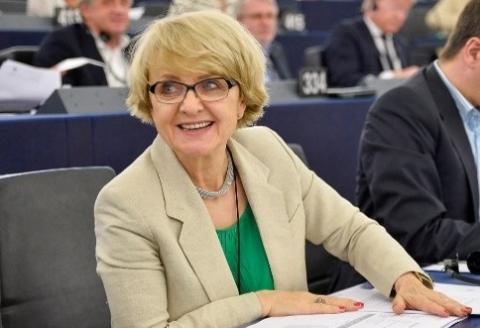
You can also catch up with all the EESC news we bring you in this issue. Our surprise guest is former Polish MEP, Commissioner and Minister Danuta Hübner, often referred to as Madame Europe, who unpacks for us the new proposal for the EU budget.

In the meantime, I think we all deserve a relaxing summer break! Wherever this summer takes you – to the coast, the countryside, the mountains or simply closer to home – I hope you find time to rest, recharge and return with fresh ideas. I look forward to continuing the conversation in autumn.

Have a wonderful summer!

Diary Dates

16 July

High-level debate on EU enlargement 2026

9 September

The multiannual financial framework after 2027 – Assessing progress and outstanding challenges

The role of organised civil society in improving financial literacy: existing initiatives and public policies

15 September

From the EU Blue Deal to the Water Resilience Strategy and beyond – European civil society contributions to the UN Water Conference

23-24 September

EESC plenary session

TO THE POINT

A competitive and decarbonised industry is essential for Europe’s prosperity. The Industrial Accelerator Act can help unlock investment, strengthen strategic value chains and secure quality jobs, writes Konstantinos Diamantouros, member of the EESC’s Employers’ Group and rapporteur for the opinion on the Industrial Accelerator Act.

Read more in all languages

A competitive and decarbonised industry is essential for Europe’s prosperity. The Industrial Accelerator Act can help unlock investment, strengthen strategic value chains and secure quality jobs, writes Konstantinos Diamantouros, member of the EESC’s Employers’ Group and rapporteur for the opinion on the Industrial Accelerator Act.

INDUSTRIAL ACCELERATOR ACT: PUTTING COMPETITIVENESS AT THE HEART OF EUROPE’S INDUSTRIAL TRANSITION

Europe’s industry is under pressure. Global competition is intensifying, while companies face rising costs, regulatory complexity and investment uncertainty. In this context, the Industrial Accelerator Act (IAA) is a timely initiative. 

By Konstantinos Diamantouros

Read more in all languages

Europe’s industry is under pressure. Global competition is intensifying, while companies face rising costs, regulatory complexity and investment uncertainty.

By Konstantinos Diamantouros

In this context, the Industrial Accelerator Act (IAA) is a timely initiative. The EESC welcomes its objective to strengthen Europe’s industrial base and support the transition to a low-carbon economy. For the EESC, the key priority now is clear: accelerate decarbonisation without undermining competitiveness.

The IAA supports the EU’s ambition to increase manufacturing to 20% of GDP by 2035. This is essential to preserve Europe’s industrial capacity, skills and technological leadership. 

However, achieving this goal requires more than targets. It requires a business-friendly framework that enables companies to invest, innovate and grow in Europe. The proposal rightly focuses on simplifying and accelerating permitting procedures, which is a crucial step forward. But companies also need access to energy, infrastructure and skilled workers, as well as better coordination between EU and national rules. Without these conditions, projects will still face delays and higher costs.

A balanced “Made in EU” approach

The EESC supports the creation of a European preference for the sectors included in the scope of the proposal, i.e. aluminium, steel and concrete. On the contentious issue of the geographical scope, it understands the need for maintaining equal access to FTA partners, especially at a time when the EU is boosting its FTA network to strengthen value chains and reduce dependencies.  

At the same time, however, an open definition of the Made in EU approach must be based on clear criteria and fairness to ensure a level playing field. It should ensure effective reciprocity with third countries and avoid distorting competition within the Single Market. This should include free access to third countries' public procurement markets, mirroring of carbon costs through the effective implementation of CBAM, strict enforcement of the foreign subsidies regulation and, last but not least, ensuring that third countries not included in the IAA do not circumvent the rules via FTA partners. 

Public procurement can play a role and social conditionalities should apply, provided they are agreed at national level by social partners. However, they should not be the only driver. Private demand and market-based incentives are equally important to scale up low-carbon solutions and they should be promoted on a voluntary basis.

Last but not least, the EESC supports the creation of a Foreign Direct Investment screening mechanisms for strategic technologies, i.e. electric vehicles, critical raw materials, batteries and solar PVs.  It stresses nevertheless that a competitive industry depends also on people, and as such emphasises that the IAA should better reflect the need for skilled workers, training and quality jobs. 

The Industrial Accelerator Act is a step in the right direction, but to deliver results,it must remain pragmatic, balanced and business-oriented. Only then can Europe secure its industrial future and lead the green transition.

Konstantinos Diamantouros is a member of the EESC Employers' Group and Rapporteur for the Opinion INT/1119 Industrial Accelerator Act.

ONE QUESTION TO

The European Commission's new Gender Equality Strategy for 2026-2030 aims to advance equality between women and men across the EU and address persistent challenges such as gender pay gaps, unequal caring responsibilities and gender-based violence. We asked Juliane Marie Neiiendam, rapporteur for the EESC opinion on the Gender Equality Strategy 2026-2030, for the Committee’s key recommendations to ensure that the strategy is effective, accessible and delivers concrete results.

Read more in all languages

The European Commission's new Gender Equality Strategy for 2026-2030 aims to advance equality between women and men across the EU and address persistent challenges such as gender pay gaps, unequal caring responsibilities and gender-based violence. We asked Juliane Marie Neiiendam, rapporteur for the EESC opinion on the Gender Equality Strategy 2026-2030, for the Committee’s key recommendations to ensure that the strategy is effective, accessible and delivers concrete results.

WHAT ARE THE COMMITTEE’S RECOMMENDATIONS TO ENSURE THAT THIS STRATEGY IS TRULY EFFECTIVE, ACCESSIBLE AND OPERATIONAL?

The European Union has made significant progress on gender equality, but significant challenges remain. This is why the next Gender Equality Strategy must focus not only on ambition, but above all on implementation.

By Juliane Marie Neiiendam

Read more in all languages

The European Union has made significant progress on gender equality, but significant challenges remain. This is why the next Gender Equality Strategy must focus not only on ambition, but above all on implementation.

By Juliane Marie Neiiendam

Women continue to face unequal opportunities in the labour market, continuing gender pay and pension gaps, underrepresentation in leadership, unequal caring responsibilities and unacceptable levels of gender-based violence. At the same time, gender equality is increasingly challenged, both within Europe and globally.

The European Economic and Social Committee (EESC) welcomes the Commission’s proposal for a new Gender Equality Strategy for 2026–2030 and supports its comprehensive approach. However, experience from the previous strategy shows that ambitious objectives are only the first step. The real challenge is translating them into concrete action across Member States.

For the Committee, implementation begins with making gender equality a horizontal principle across all relevant policies. It cannot be confined to one policy area but must be systematically integrated into employment, education, health, research, digitalisation, artificial intelligence, climate policy, transport, housing and economic governance. Policies that fail to consider their different impacts on women and men risk reinforcing existing inequalities.

The EESC therefore recommends stronger governance and accountability through better monitoring, appropriate indicators, gender-responsive budgeting, equality impact assessments and the systematic use of sex-disaggregated data. These practical tools help ensure that equality objectives are reflected in implementation rather than remaining political aspirations.

The EESC opinion ‘Gender equality strategy 2026-2030’ underlines that gender equality is not only a matter of fundamental rights, but also of Europe’s economic resilience and competitiveness. At a time of demographic change and widespread labour shortages, Europe cannot afford to leave talent untapped. Increasing women’s labour market participation requires affordable childcare and long-term care, equal opportunities in education and employment, better work-life balance and the removal of barriers limiting women’s economic independence. These are investments that enable everyone to contribute according to their skills and potential, benefiting society, businesses and individuals alike.

The strategy must also recognise the diversity of women’s experiences. An intersectional approach is essential to address the different barriers faced by women depending on factors such as disability, age, migration background, ethnicity and socio-economic circumstances.

Equally important, achieving gender equality requires the active engagement of men and boys. The Committee highlights their role as partners in advancing equality, challenging stereotypes and promoting a more equal sharing of care responsibilities. Gender equality benefits society as a whole. More equal societies are stronger, more inclusive and better equipped to respond to Europe’s social and economic challenges.

Finally, the Committee stresses that gender equality is a fundamental value of the European Union and an essential pillar of democracy, social cohesion and fundamental rights. At a time when these values are increasingly being questioned, Europe must continue to demonstrate that promoting equality strengthens – not weakens – our societies. If the new strategy succeeds in translating ambition into action, it will not only expand opportunities for women and men across Europe – it will strengthen Europe’s economy, democracy and resilience. That is ultimately what the Committee’s recommendations seek to achieve.

THE SURPRISE GUEST

The next EU budget will have to do more than allocate funding: it will need to help mobilise investment, strengthen competitiveness and support Europe's long-term priorities in a changing geopolitical and economic landscape. Our surprise guest Professor Danuta Hübner reflects on how the next MFF can become a catalyst for public and private investment and deliver a budget fit for the future.

Read more in all languages

The next EU budget will have to do more than allocate funding: it will need to help mobilise investment, strengthen competitiveness and support Europe's long-term priorities in a changing geopolitical and economic landscape. Our surprise guest Professor Danuta Hübner reflects on how the next MFF can become a catalyst for public and private investment and deliver a budget fit for the future.

WE NEED A BUDGET ADOPTED ON TIME, FIT FOR THE FUTURE AND CAPABLE OF DELIVERING MORE AND BETTER EUROPE

The MFF for 2028–2034 is not a panacea for all of Europe’s investment needs. It should not be viewed in isolation, but rather in conjunction with the many other EU actions and initiatives with which it is closely linked.

By Professor Danuta Hübner 

Read more in all languages

The MFF for 2028–2034 is not a panacea for all of Europe’s investment needs. It should not be viewed in isolation, but rather in conjunction with the many other EU actions and initiatives with which it is closely linked.

By Professor Danuta Hübner 

The new MFF, although slightly larger than usual, will remain modest in size. Yet it has the potential to become a truly unprecedented European multiannual financial framework. Given the scale of Europe's investment needs, efforts have long been under way to identify and mobilise additional sources and models of financing. The well-known 1% taboo, the divide between net beneficiaries and net contributors, the controversy surrounding juste retour, national envelopes that allow for the avoidance of cross-border projects and European public goods, and the lack of a European capital market have all traditionally constrained Europe's investment ambitions. Today, however, there is an opportunity to transform the next MFF into a genuine financial lever. At the same time, there is a risk of reverting to national reflexes and short-term self-interest precisely when Europe needs to move in the opposite direction.
 

Europe needs private investment at a time when the European capital market remains a work in progress. This is why negotiating the new MFF provides an opportunity for it to become a lever for attracting private capital, and a catalyst for the crowding-in process. This would be an important step towards developing public-private financing models based on a new approach to risk-sharing between the public and private sectors. The budget also offers an opportunity to take a hard look at research and development financing at both national and European level, opening the door to a rebalancing of responsibilities between the two.

The MFF can serve not only as a strategically sound financial framework, but also as an ecosystem for new sources and models of financing and an opportunity to reduce the cost of capital, provided it acts as a lever for funds whose effectiveness relies on competitive calls. This is viewed as a challenge by those Member States that have so far benefited primarily from funding allocated through national envelopes. If public investment succeeds in catalysing private capital and public-private financing models become the norm, this could help ease pressure on public debt at a time of fiscal constraints.

This MFF provides an opportunity to harness the potential of regions and cities, thereby broadening Europe’s base of innovation and competitiveness. Ensuring that regions and cities are not sidelined is important not only for Central and Eastern European countries. Redirecting cohesion funding towards European public goods such as competitiveness and security need not undermine the core objective of cohesion policy. Indeed, for decades, convergence has been driven and supported by innovation


At the same time, a more coherent ecosystem is taking shape within the Single Market, accompanied by a new approach to competition policy that allows the emergence of large European firms capable of competing globally, alongside a more flexible application of state aid rules.

I also hope that we will seize this last opportunity to anchor European competitiveness firmly in sustainability, particularly through clean technologies and clean industry. Another important element of the emerging ecosystem is the recognition of investment in human capital as a key component of competitiveness. This shift is reflected in the new approach to the European Semester. Another important new element of the new ecosystem is the proposed regulation EU Inc., establishing a single harmonised set of corporate governance rules, which will replace the need to navigate multiple national systems and unlock the potential of the Single Market. 


In my view, assessing the MFF in the context of the broader transformation of the ecosystem underpinning Europe’s long-term ambitions highlights the potentially groundbreaking nature of the new EU budget. The ability to begin repaying the debt incurred in response to the COVID-19 crisis from 2028 onwards will depend on Member States reaching agreement on new own resources. Failure to do so would place significant constraints on the EU budget and could weaken the political willingness to take on new debt.

It would be good to see a budget adopted on time, fit for the future and capable of delivering more and better Europe. 

Danuta Hübner was a Member of the European Parliament until 2024. From 2014 -2019, she was Chair of the Committee on Constitutional Affairs. From 2009-2014, she served as Chair of the Committee on Regional Development in the European Parliament. From 2004-2009 she was a Member of the European Commission with responsibility for regional policy. During the period 2001-2004, she was involved in the negotiation process for Poland's membership of the EU and served as the Minister for European Affairs in the Polish Government, where she was often referred to as Madame Europe. She was the winner in 2002 of the European of the Year Award from The European Voice. In 2014 she was awarded the Officer of the Legion of Honour (Officier de la Légion d'honneur), the highest honour awarded by the French state, and in 1997 she was presented with the Grand Cross of the Order of Merit, the highest distinction awarded by Portugal.

EESC News

THE EESC PUTS CIVIL SOCIETY AT THE HEART OF IRELAND'S EU COUNCIL PRESIDENCY AT DUBLIN CASTLE WITH TAOISEACH AND MINISTER BYRNE

Priorities including housing, competitiveness, tech regulation, and more effectively including citizens in democratic decision-making among areas of joint work launched.

Read more in all languages

Priorities including housing, competitiveness, tech regulation, and more effectively including citizens in democratic decision-making among areas of joint work launched.

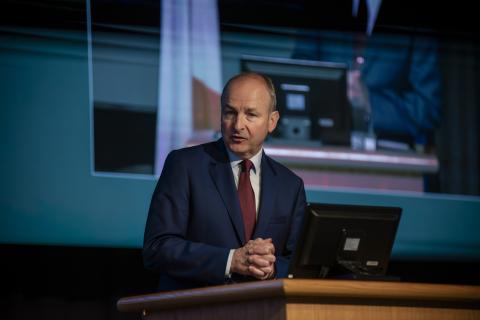
The European Economic and Social Committee (EESC), the EU body representing organised civil society, officially launched its cooperation with the Irish Government for the upcoming Irish Presidency of the Council of the European Union at a high-level event in Dublin Castle. The event brought together Taoiseach Micheál Martin TD, Minister of State for European Affairs Thomas Byrne TD and EESC President Séamus Boland.

The Irish Government has asked the EESC to contribute to several key presidency priorities, including housing, competitiveness, digital regulation, tackling poverty and the EU's approach to livestock policy. The aim is to ensure that the perspectives of civil society, employers and workers are reflected in EU policy-making. The presidency is particularly significant as it will coincide with the first Irish presidency of the EESC.

The Taoiseach highlighted the importance of dialogue between governments and society, stating: 'The ability of governments, employers, trade unions and organised civil society to engage constructively with one another is fundamental to democratic stability and to effective policy-making. The EESC is a vital link between civil society and the European institutions.'

He added: 'The voice of civil society matters. It matters because Europe cannot succeed through institutions alone. It succeeds when citizens feel ownership of the European project – when workers, farmers, entrepreneurs, voluntary organisations and local communities all feel that they have a stake in shaping Europe’s future.'

Minister Byrne underscored the role of citizen engagement in the presidency's priorities of competitiveness, security and values. 'Europe succeeds when people feel heard and represented. The work of the EESC remains central to that effort,' he said, adding that the Committee plays a valuable role in ensuring that a wide range of societal voices are heard in European decision-making.

EESC President Séamus Boland welcomed the shared agenda: 'I am very pleased that these areas of joint engagement – from democratic participation and equality, to competitiveness, small businesses, housing and digital fairness – reflect an EU Council Presidency that seeks to combine economic ambition with a strong social and citizen-centred dimension.' He added that the Committee particularly appreciates the emphasis on inclusive policy-making and democratic resilience.

As part of this cooperation, the EESC will prepare eight exploratory opinions for the Irish presidency covering democratic participation, equality and competitiveness, the EU livestock strategy, inter-generational poverty, simplification, the Single Market Strategy, the Digital Fairness Act and affordable housing construction. These opinions will support policy discussions and legislative work during the presidency.

The programme also included an exchange of views on the Irish presidency with Minister Byrne and a discussion on Maintaining Core Values in a New Europe, featuring representatives of business, trade unions, farming organisations, youth groups, environmental organisations and wider civil society.

EESC ADVOCATES DEDICATED EU STRATEGY FOR EASTERN BORDER REGIONS, WARNS OF GROWING PRESSURE

The EESC is urging the EU to adopt a dedicated long-term strategy and boost funding for its eastern border regions, warning that they face growing security, economic and demographic pressures that existing policies cannot fully address. In an opinion adopted at its June plenary, the EESC calls for regions bordering Russia, Belarus and Ukraine to be recognised as strategic frontlines rather than peripheral areas. 

Read more in all languages

The EESC is urging the EU to adopt a dedicated long-term strategy and boost funding for its eastern border regions, warning that they face growing security, economic and demographic pressures that existing policies cannot fully address. In an opinion adopted at its June plenary, the EESC calls for regions bordering Russia, Belarus and Ukraine to be recognised as strategic frontlines rather than peripheral areas. 

It recommends that there be a dedicated funding stream in the next EU budget, more investment in transport, energy and digital infrastructure, measures to boost competitiveness and address demographic decline, and greater involvement of local authorities and civil society.

"The challenges require more than incremental reform and call for a long-term strategic framework beyond the current budget cycle", said rapporteur Katrina Zarina. Co-rapporteur Ionut Sibian added that eastern border regions were "strategic assets whose resilience underpins EU security, cohesion and long-term prosperity". The plenary debate featured Belarusian opposition leader Sviatlana Tsikhanouskaya, Lithuanian Vice-Minister of Finance Neringa Rinkevičiūtė-Laurinaitienė, and European Commission Deputy Director-General Hugo Sobral, who all stressed the strategic importance of strengthening the EU's eastern frontier. The EESC argues that investing in these regions is essential not only for their development, but also for Europe's security, resilience and long-term prosperity. More.

EESC WARNS WATER IS NOW A MATTER OF ECONOMIC SECURITY FOR EUROPE

Ahead of the UN Water Conference 2026, the European Economic and Social Committee (EESC) held a plenary debate with the EU Commissioner for Environment and Water Resilience, Jessika Roswall. The EESC calls for water to be treated as a strategic resource for Europe’s economy, security and global role.

Read more in all languages

Ahead of the UN Water Conference 2026, the European Economic and Social Committee (EESC) held a plenary debate with the EU Commissioner for Environment and Water Resilience, Jessika Roswall. The EESC calls for water to be treated as a strategic resource for Europe’s economy, security and global role.

The debate comes as water stress increases across Europe, putting pressure on supply chains, infrastructure and industrial production. In response to this, the Committee is calling for a shift in how water is framed in EU policy, from a mainly environmental concern to a strategic resource for competitiveness and resilience.

European Commissioner for Environment, Water Resilience and a Competitive Circular Economy Jessika Roswall echoed this broader approach, saying: ‘Water is not only an environmental priority, but also a vital ingredient for our competitiveness, preparedness, resilience and overall security. We need a sustained and cross-sectoral effort to solve our water challenges in Europe with all partners around the table.’

From a broader development perspective, Member of the European Parliament, vice-chair of the Committee on Development (DEVE) and chair of the MEP Water Group Hildegard Bentele, added: ‘Water must be treated as a cross-cutting issue at the heart of sustainable development. It underpins health, food security, energy and economic growth, yet water insecurity is already a major constraint in many regions. We know what needs to be done, but we are still not acting at the pace required.’

At EU level, the EESC has been pushing for this shift for several years through its EU Blue Deal initiative, which seeks to place water at the centre of industrial, economic and climate policy. 

This work was reinforced at the Committee’s June plenary, where it adopted two opinions aimed at strengthening water resilience in Europe and clarifying the EU’s role in global water governance:

  • Blue Deal Accelerator – technology, skills and finance for a water-resilient future
  • EESC Contribution to the UN Water Conference 2026: from the EU Blue Deal and Water Resilience Strategy to global water action

EESC President Séamus Boland underlined the urgency of this agenda: ‘The Committee has delivered multiple opinions to help develop a comprehensive EU water policy. Without water, there is no life, no economy and no other policy to defend. This is why we call for a water test in EU legislation and for water to be made a strategic priority in the next multiannual financial framework.’

In December 2026, the EESC will join the EU delegation to the UN Water Conference for the first time, marking a new phase in its role in global water governance.

UN Special Rapporteur on the human right to safe drinking water and sanitation, Pedro Arrojo-Agudo, said: ‘The UN Water Conference should become a more regular process. The UN has been too weak in this area, leaving space for private interests. At a time of growing attacks on multilateralism, Europe must promote the institutionalisation of this conference and ensure a human rights-based approach to water.’

To support the preparatory process, the EESC will host a dedicated civil society event on 15 September 2026 to gather input ahead of the conference. 

The Committee will continue working with EU institutions and international partners to ensure the EU arrives at the UN Water Conference with a clear, ambitious and practicable agenda. (gb)

THE EESC CALLS FOR A EUROPEAN CODE ON CONSULTATIONS AND MANDATORY ASSESSMENTS OF PARTNERSHIP PRACTICES IN THE EUROPEAN SEMESTER

The EESC is calling for a stronger role for the social partners and civil society in shaping national reforms through the European Semester. In an information report and resolution adopted at its June plenary, the EESC proposes a European code for structured consultations and mandatory assessments of partnership practices to improve transparency, participation and democratic legitimacy.

Read more in all languages

The EESC is calling for a stronger role for the social partners and civil society in shaping national reforms through the European Semester. In an information report and resolution adopted at its June plenary, the EESC proposes a European code for structured consultations and mandatory assessments of partnership practices to improve transparency, participation and democratic legitimacy. 

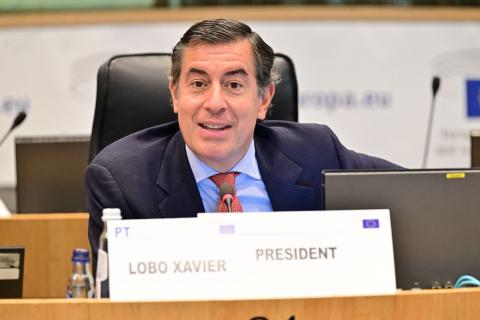
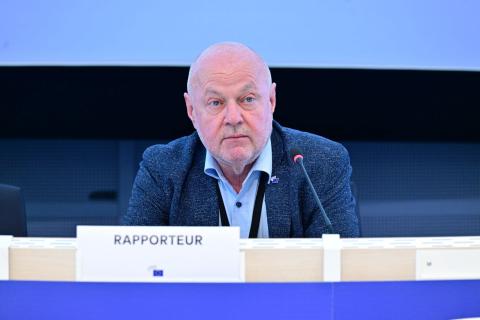
Based on consultations involving stakeholders from all 27 Member States, the EESC report found broad support for the 2025 country-specific recommendations but highlights persistent implementation gaps, insufficient stakeholder involvement and an imbalance between economic priorities and social objectives. 'We reiterate our call for the establishment of a European code setting out how to conduct consultations within the framework of the European Semester,' said rapporteur Gonçalo Lobo Xavier. Rapporteur Andrea Mone stressed that stronger government action is needed to improve the design, implementation and evaluation of reforms, while rapporteur Luca Jahier said that closer links between the European Semester and the next EU budget should preserve 'flexibility, multilevel governance and national ownership' and rely on positive incentives rather than punitive conditionality. The EESC also supports closer links between the European Semester and the next EU long-term budget, provided safeguards protect subsidiarity, national ownership and democratic accountability. It advocates positive incentives to support reforms rather than punitive conditionality, arguing that stronger partnerships with the social partners and civil society are essential for more effective policy-making. More here.

A STRONGER EUROPEAN SEMESTER FOR COMPETITIVENESS, SOCIAL INCLUSION AND THE NEXT EU BUDGET

The EESC has called for the European Semester to evolve into a more results-oriented framework that strengthens sustainable competitiveness, social inclusion and economic resilience while ensuring that reforms deliver tangible benefits for citizens. 

Read more in all languages

The EESC has called for the European Semester to evolve into a more results-oriented framework that strengthens sustainable competitiveness, social inclusion and economic resilience while ensuring that reforms deliver tangible benefits for citizens. 

Speaking at the Annual European Semester Group Conference on 30 June, participants stressed that the Semester will play a key role in linking national reforms and investments with the next EU long-term budget. 

'The European Semester should evolve beyond a coordination mechanism into a genuine delivery framework,' said European Semester Group president Gonçalo Lobo Xavier. EESC President Seamus Boland added that lasting European prosperity depends on advancing 'prosperity, economic resilience and social cohesion together', while ECO section president Elena Calistru stressed the need for a coherent framework that better connects reforms, investments and public resources. The conference also highlighted the importance of strengthening the role of the social partners and civil society, arguing that meaningful stakeholder participation is essential for effective economic governance and the successful implementation of future EU reforms and investments. More here. 

EUROPE’S RAW MATERIALS AMBITIONS NEED INDUSTRIAL INVESTMENT

Europe will need significantly more investment if it wants to secure the critical raw materials required for its green, digital and defence transitions, the European Economic and Social Committee (EESC) warned in an opinion adopted at its June plenary session.

Read more in all languages

Europe will need significantly more investment if it wants to secure the critical raw materials required for its green, digital and defence transitions, the European Economic and Social Committee (EESC) warned in an opinion adopted at its June plenary session.

The opinion responds to the European Commission's RESourceEU Action Plan, which seeks to reduce Europe's dependence on imported raw materials and strengthen strategic supply chains. The EESC supports the initiative but argues that its objectives will be difficult to achieve unless Europe tackles the competitiveness and investment challenges facing the sector.

The issue has become increasingly urgent in recent years. Materials such as lithium, cobalt, copper and rare earths are essential for batteries, renewable energy technologies, digital infrastructure and defence systems. As global demand grows and geopolitical tensions reshape supply chains, access to these resources is becoming a strategic economic and industrial challenge for Europe.

Today, much of Europe's supply depends on a limited number of countries. The EU is therefore seeking to diversify its sources, strengthen domestic production and develop more resilient value chains. According to the EESC, achieving those goals will require far greater investment than is currently on the table.

While welcoming the Commission's proposal to mobilise EUR 3 billion, the Committee believes that financing needs are substantially higher and should be reflected in the next EU long-term budget.

The EESC argues that improving competitiveness must be a priority. High energy costs continue to weigh on European industry, particularly in critical raw materials sectors where energy-intensive processes play a central role. The opinion therefore calls for measures to lower energy costs, support long-term renewable power contracts and facilitate industrial electrification.

The opinion also emphasises that strategic projects need public trust. Faster permitting procedures may help speed up investment, but simplification should remain administrative and must not weaken environmental protection, workers' rights or public participation. Members also highlighted the importance of transparency, accountability and the involvement of local communities.

For the Committee, the debate ultimately goes beyond raw materials. Europe's ability to compete in clean technologies, digital industries and strategic sectors will depend on whether it can secure the resources that underpin them. (gb)

DIGITAL NETWORKS ACT (DNA) – QUALITY OF GOVERNANCE KEY TO FUTURE-PROOFING THE EU’S DIGITAL CONNECTIVITY

At its June plenary, the EESC adopted the opinion on the Digital Networks Act (DNA), drawn up by Maurizio Mensi. The opinion throws its support behind the European Commission proposal to boost the EU’s connectivity and says that the Digital Networks Act will only be successful if it delivers secure, resilient and inclusive connectivity that truly works for Europe’s people, businesses and regions.

Read more in all languages

At its June plenary, the EESC adopted the opinion on the Digital Networks Act (DNA), drawn up by Maurizio Mensi. The opinion throws its support behind the European Commission proposal to boost the EU’s connectivity and says that the Digital Networks Act will only be successful if it delivers secure, resilient and inclusive connectivity that truly works for Europe’s people, businesses and regions.

The EESC underlines that the telecommunications sector plays a vital role and, with the Commission’s proposal, the EU is carrying out a much needed and proportionate update of its framework for electronic communications.

‘The Digital Networks Act is a strategic intervention with direct implications for competitiveness, security and the ability of organised civil society to operate in a genuine single market,’ said Mr Mensi. ‘It is a significant step in the reform process of European connectivity, with the end goal of setting a more modern, harmonised and investment-friendly regulatory framework for the Union’s digital networks.’

The EESC singles out three points in particular: 

1) Security and simplification

First, the Digital Networks Act must offer both security and simplification through a proportionate and risk-based approach which updates and strengthens resilience. Simplification is not the opposite of security but a prerequisite for effectively putting it into practice.

2) Governance

Second, to avoid overlaps and institutional duplication, the Committee calls for a clear allocation of competences between the Office for Digital Networks (ODN), the Body of European Regulators for Electronic Communications (BEREC), the Radio Spectrum Policy Body (RSPB) and the national regulatory authorities (NRAs).

3) Transparency

Third, the governance framework must ensure transparency and participation, a structured dialogue with social partners and civil society, and a consistent implementation across the EU Member States. (mp)

NEW EUROPEAN BAUHAUS – THE EESC CALLS FOR INVESTMENT IN SUSTAINABLE, AFFORDABLE AND QUALITY HOUSING

The June plenary session saw the adoption of the opinion on Implementing the New European Bauhaus by Rudolf Kolbe. At a time when the EU is facing a housing crisis compounded by rising energy costs and a number of social fractures in terms of income, age and origin, it is important to set out practical solutions.

Read more in all languages

The June plenary session saw the adoption of the opinion on Implementing the New European Bauhaus by Rudolf Kolbe. At a time when the EU is facing a housing crisis compounded by rising energy costs and a number of social fractures in terms of income, age and origin, it is important to set out practical solutions.

‘The New European Bauhaus is one of the EU’s most ambitious recent initiatives. And let me be clear: this is not a building programme nor a design trend. It connects the European Green Deal with people’s everyday lives through three values: sustainability, inclusion and aesthetics,’ said Mr Kolbe. ‘My conclusion is simple: the time to act is now. And civil society must be fully part of it, so that the New European Bauhaus becomes everyday practice, everywhere.’

In the opinion, the EESC sets out some key recommendations to successfully apply the concepts of the New European Bauhaus. To tackle the housing crisis, it is essential to upgrade isolated pilot projects to widespread and adaptable solutions which are specific to the different territories.

1) Developing key performance indicators (KPIs)

The EESC recognises that the New European Bauhaus has an added value in translating policy objectives into tangible, people-centred solutions, while fostering green innovation and enhancing competitiveness. For this reason, it is important to measure the extent to which its values and principles are reflected in new and revised EU policies and regulatory acts. This objective can be achieved by developing key performance indicators (KPIs) assessing horizontal cross-cutting implementation.

2) Revision of the Public Procurement Directives

In the upcoming revision of the Public Procurement Directives, public authorities must give priority to life-cycle and quality criteria for services shaping the built environment, enabling innovation and circularity.

3) Sustainable, affordable and quality housing policies

The New European Bauhaus and affordable housing policies are inseparable. One without the other simply does not work. The next step to implementing the New European Bauhaus must therefore focus on investment in sustainable, affordable and quality housing, using the Energy Performance of Buildings Directive (EPBD) and the renovation wave as key levers. (mp)

ALL DAGs MEETING: CIVIL SOCIETY STEPS UP AS TRADE BECOMES MORE STRATEGIC AND GEOPOLITICAL

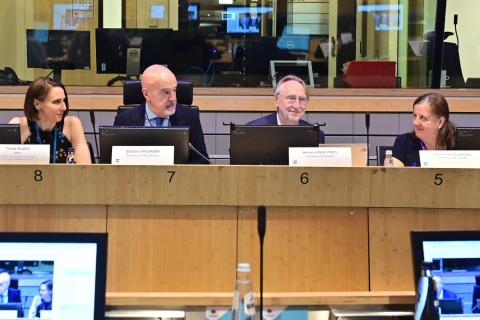
On Thursday 2 July 2026, members of all 15 EU Domestic Advisory Groups (DAGs) and representatives of the European Commission and the European Parliament met at the EESC to discuss the evolving role of organised civil society in the implementation of EU trade agreements and to ensure that sustainability commitments are effectively monitored and followed up.

Read more in all languages

On Thursday 2 July 2026, members of all 15 EU Domestic Advisory Groups (DAGs) and representatives of the European Commission and the European Parliament met at the EESC to discuss the evolving role of organised civil society in the implementation of EU trade agreements and to ensure that sustainability commitments are effectively monitored and followed up.

Global trade is facing growing pressure amid geopolitical tensions and increasing economic fragmentation. Against this backdrop, participants in the fifth meeting of the annual DAGs meeting examined how DAGs can remain effective and influential while the EU's network of trade agreements continues to expand, increasing demands on implementation, monitoring and civil society engagement.

As global trade undergoes a profound and fast-paced transformation, the role of the DAGs is more important than ever, said Stefano Palmieri, president of the EESC's Section for External Relations (REX) as he opened the meeting. 'DAGs are not an accessory to trade policy; they are central to making trade agreements credible, sustainable and accountable in practice.'

Tanja Buzek, vice-president of REX, EESC DAG Coordinator and Chair of the EU DAG for Canada, highlighted that DAG members help identify concerns on the ground and provide advice on labour, environmental, social, economic and sustainability commitments. She noted that 'this role is being extended beyond traditional Trade and Sustainable Development (TSD) chapters to the monitoring of the agreement as a whole.'

'DAGs function as our early-warning mechanism. They help identify implementation gaps and assess how developments affect workers, businesses and communities. They have become an indispensable tool for the proper implementation of our trade agreements,' said Bernd Lange, Chair of the European Parliament Committee on International Trade (INTA).

While acknowledging the challenging trade environment, Sofia Muñoz Albarrán, DG Trade, European Commission, said that the effective implementation of trade agreements relies on the role of civil society and reaffirmed the commitment to DAGs.

A series of parallel breakout sessions saw participants discuss practical ways to strengthen the effectiveness, visibility and impact of DAGs. Topics included the use of the TSD complaints mechanism under DG TRADE's Single Entry Point (SEP), civil society engagement in emerging EU trade-related arrangements such as critical raw materials partnerships, the future structure and communication strategies of an expanding DAG network and opportunities for enhanced cooperation with the European Parliament on implementation, monitoring, topics of common interest and political follow-up to DAG recommendations and concerns. (pm)

EUROPE MUST SEIZE THE OPPORTUNITY TO BUILD A COMPETITIVE BATTERY INDUSTRY

The European Economic and Social Committee (EESC) held an experts’ debate on the European battery industry. It called for urgent, coordinated action to strengthen Europe's battery ecosystem and secure its industrial future. By combining strategic investment, innovation, industrial capacity and social responsibility, the battery transition could become a genuine European success story.

Read more in all languages

The European Economic and Social Committee (EESC) held an experts’ debate on the European battery industry. It called for urgent, coordinated action to strengthen Europe's battery ecosystem and secure its industrial future. By combining strategic investment, innovation, industrial capacity and social responsibility, the battery transition could become a genuine European success story.

The goal was to advance policy discussions on making Europe’s battery manufacturing industry stronger, with a focus on the strategic potential of sodium batteries. 

Alain Coheur, President of the EESC's Consultative Committee for Industrial Change (known by its French abbreviation, CCMI), pointed out that ‘Europe’s battery industry faces significant challenges, including intense global competition, high production costs, vulnerabilities in the supply chain and growing technological rivalry. Yet batteries are not just another industrial product. They are a key enabling technology for industrial change, whether from the perspective of decarbonisation, energy security or industrial leadership.’ 

Sodium batteries are emerging as an alternative to traditional lithium-ion systems in various strategic sectors. They are crucial for EU energy independence and competitiveness in the global market. Not only are sodium batteries a more environmentally friendly option, but they also offer Europe the opportunity to create an ecosystem that integrates research, industry and workforce development. 

However, participants in the CCMI debate cautioned against viewing sodium-ion batteries as the immediate answer to Europe’s battery needs, noting that widespread deployment was still some way off. 

Although China is currently far ahead of its competitors, accounting for nearly 99% of global production capacity, speakers argued that the race was far from over. This was because the technology behind sodium batteries was still in the early stages of development and the foundations of future industrial leadership had yet to be firmly established. 

This leaves Europe with a rare opportunity. Unlike in the lithium-ion sector, where Asian manufacturers secured a dominant position early on, the sodium-ion industry has yet to produce a clear long-term winner. Europe is in a position to carve out a leading role if it acts decisively.

Achieving that EU ambition for sodium batteries will depend on more than technological progress alone. Speakers emphasised the need for a coherent European battery roadmap. This would transform the goals set out in the European Commission’s Battery Booster Strategy into tangible measures across the entire value chain, from innovation and manufacturing to recycling and skills development.

The speakers also strongly felt that this Strategy had to be backed by a credible long-term financing plan, with stronger support from both the Commission and Member States, including through the next Multiannual Financial Framework. Moreover, the ‘Made in Europe’ label should stand for high-quality products and robust social and environmental standards, as well as for industrial competitiveness.  (at)

WHISTLEBLOWER PROTECTION MUST WORK IN PRACTICE, NOT ONLY ON PAPER, SAYS EESC

At its June plenary session, the European Economic and Social Committee (EESC) adopted an opinion evaluating the implementation of the EU Whistleblower Protection Directive. While the Directive has strengthened legal protections and established reporting channels across the EU, the EESC warns that significant gaps remain between legal provisions and their practical application. 

Read more in all languages

At its June plenary session, the European Economic and Social Committee (EESC) adopted an opinion evaluating the implementation of the EU Whistleblower Protection Directive. While the Directive has strengthened legal protections and established reporting channels across the EU, the EESC warns that significant gaps remain between legal provisions and their practical application. 

Drawing on evidence from Denmark, France, Italy, Latvia and Romania, the evaluation found that implementation remains uneven across Member States and that practical obstacles continue to discourage reporting. Stakeholders highlighted uncertainty about procedures, inconsistent enforcement and delays in handling cases, while fear of retaliation remains one of the main reasons individuals choose not to come forward. 

The EESC acknowledges that the Directive has marked an important step forward by strengthening protection mechanisms, establishing multiple reporting channels and increasing cooperation between competent authorities. However, more action is needed to ensure that whistleblowers receive effective protection in practice. 


‘The European Commission has identified significant delays in transposition and numerous gaps in national implementation. This risks compromising the effectiveness of the Directive and creating legal uncertainty for those wishing to report violations of European Union law.

It is essential to promote a true culture of legality and transparency. In many contexts, those who report irregularities or violations are still perceived negatively. Instead, we must recognise the civic value of whistleblowers, who contribute to the protection of the public interest, democracy and fundamental rights,’ said EESC rapporteur Giulia Barbucci. 

The Committee calls for stronger safeguards against retaliation, including preventive measures, financial assistance and access to independent advice. It also urges Member States to allocate sufficient resources to the authorities responsible for whistleblowing procedures, improve professional training and ensure reporting systems are independent, confidential and accessible. The EESC further recommends exploring shared reporting mechanisms to help smaller organisations meet their obligations. 

The opinion highlights the important role of trade unions, civil society organisations and the media in supporting whistleblowers and promoting transparency. The EESC advocates their closer involvement in designing and monitoring whistleblowing systems. Beyond legal reforms, it also calls for awareness-raising, better information on whistleblowers’ rights and improved data collection to assess the effectiveness of existing measures and identify remaining weaknesses.(lm)

EESC YOUTH TEST FINALIST IN OMBUDSMAN AWARD FOR GOOD ADMINISTRATION 2026

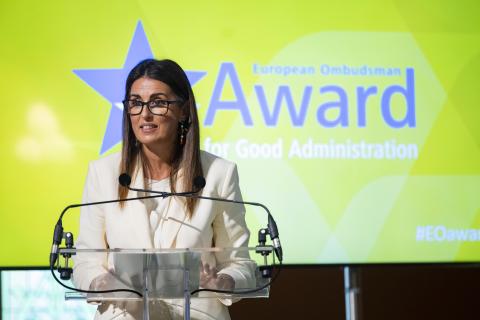
On 30 June, the European Economic and Social Committee initiative ‘Empowering youth voices through the EESC Youth Test’ joined three other finalists in the ‘Excellence in diversity and inclusion’ category at the ceremony for the Ombudsman Award for Good Administration. Amidst the shortlisted projects, the winning recognition was awarded to the DiscoverEU Inclusion Action, a European Commission initiative dedicated to opening Europe to young people with fewer opportunities.

Read more in all languages

On 30 June, the European Economic and Social Committee initiative ‘Empowering youth voices through the EESC Youth Test’ joined three other finalists in the‘ Excellence in diversity and inclusion’ category at the ceremony for the Ombudsman Award for Good Administration. Amidst the shortlisted projects, the winning recognition was awarded to the DiscoverEU Inclusion Action, a European Commission initiative dedicated to opening Europe to young people with fewer opportunities.

The EESC was represented at the ceremony by Vice-President Marija Hanževački, President of the EESC Youth Group Nicoletta Merlo and Secretary-General Isabelle Le Galo Flores. Emphasising the strategic importance of the nomination, Ms Hanževački underlined that youth participation in EU decision-making must become a necessity: ‘They are our present and future. We must remember: nothing about them, without them.’ 

Entries were drawn from 48 nominations and evaluated based on their demonstration of good public administration, a culture of service and a commitment to improving the lives of citizens. Following this review, three finalists were selected for each award category. 

During the ceremony, European Ombudswoman Teresa Anjinho underscored the originality and innovation of the projects, stating: ‘This year’s nominations highlighted the quality of the work of the EU institutions with projects clearly driven by dedication and a strong commitment to public service and good administration.’ 

The EESC Youth Test enables youth organisations to shape the EESC’s agenda and opinions. The initiative was co-created with the European Youth Forum, and has made made the EESC the first EU institution to introduce a structured mechanism for involving young people directly in its core advisory work. At the heart of the Youth Test is a network of 73 youth organisations from across Europe and beyond. Every month, these organisations can express an interest in upcoming EESC opinions. Based on this input, the EESC section bureau select opinions to be ‘youth tested’. Youth representatives then participate in study group meetings, providing concrete contributions that feed directly into the opinion-drafting process.

Since its launch, over 80 EESC opinions have been youth tested. The initiative has also inspired institutional change, with the European Commission introducing its own Youth Check, and other administrations at EU, national, regional and local level looking to the EESC as a reference point for meaningful youth participation.

WE MUST NOT GIVE UP DEFENDING EU VALUES

Undermining democracy will not make the European Union more competitive. In an increasingly challenging geopolitical landscape, building resilience to disinformation, fostering critical thinking and empowering civil society are essential to safeguarding European values, an EESC conference for civil society communicators concluded. 

Read more in all languages

Undermining democracy will not make the European Union more competitive. In an increasingly challenging geopolitical landscape, building resilience to disinformation, fostering critical thinking and empowering civil society are essential to safeguarding European values, an EESC conference for civil society communicators concluded. 

‘In defence of European values: The Power of Civil Society’ was the theme of the Connecting EU seminar held by the European Economic and Social Committee (EESC) and the Economic and Social Council of the Republic of Bulgaria in Sofia on 6 to 7 July. The event examined how Europe can uphold its core values amid growing geopolitical uncertainty, economic pressures and declining public trust in democratic institutions. 

‘Can Europe align competitiveness and the social model that has long set it apart? Can its democracy withstand growing pressure from foreign interference, disinformation and populism? And if democracy is not something we can take for granted, how do we defend it? After all, democracy survives only if people believe it can still improve their lives,’ said Marija Hanževački, the EESC Vice-President for Communication, opening the seminar.

During the opening session, EESC President Séamus Boland stressed the central role of democratic participation and civil society: ‘Democracy weakens when citizens feel unheard, when public debate becomes polarised and when civil society is pushed to the margins.’ He added: ‘The answer cannot ever be less democracy. The answer must be deeper democracy: defending independent media, protecting civic space and supporting social and civil dialogue.’ 


Zornitsa Roussinova, President of the Economic and Social Council of Bulgaria, highlighted how the council had helped counter disinformation during the debate on Bulgaria’s adoption of the euro by providing reliable information through the media. 

In a keynote speech, journalist and author Dave Keating argued that Europe remained overly dependent on the United States and called for deeper European integration and a stronger sense of European identity to strengthen the EU’s strategic autonomy. 

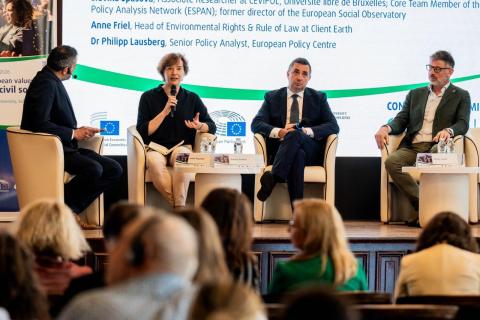
The first panel, Europe’s New Economic Compass: Balancing Competitiveness, Social Rights and Sustainability, brought together representatives of the EESC’s three groups. While participants agreed that Europe must become more competitive, views differed on how to achieve this. Some argued for simplifying regulation to support businesses, while others warned that competitiveness should not come at the expense of social rights, environmental protections or living standards.

The second panel, Europe’s Democratic Compass: Can Trust and Resilience Be Restored?, focused on disinformation and manipulation in the digital sphere. Antoinette Nikolova, Director of the Balkan Free Media Initiative, presented research on online manipulation during Bulgaria’s parliamentary elections. Speakers stressed the importance of media literacy, critical thinking and stronger civil society engagement to counter increasingly sophisticated disinformation campaigns. 

The seminar concluded with interactive sessions on artificial intelligence in communication. David Grunewald, AI strategist and trainer, advocated the use of European AI models to strengthen data sovereignty, resilience and long-term economic competitiveness.

News from the Groups

CONNECTING EU: CAN EUROPE REMAIN SOCIAL AND SUSTAINABLE WITHOUT BEING COMPETITIVE?

By Sandra Parthie, President of the EESC Employers’ Group

This fundamental question was at the heart of the roundtable discussion at the EESC Connecting EU seminar on ‘Made in the EU: competitive, social and sustainable’, held in Sofia on 6 July 2026. The discussion highlighted a simple but often overlooked reality: Europe’s economic strength, social cohesion and environmental ambitions are deeply interconnected.

Read more in all languages

This fundamental question was at the heart of the roundtable discussion at the EESC Connecting EU seminar on ‘Made in the EU: competitive, social and sustainable’, held in Sofia on 6 July 2026. The discussion highlighted a simple but often overlooked reality: Europe’s economic strength, social cohesion and environmental ambitions are deeply interconnected.

By Sandra Parthie, President of the EESC Employers’ Group

As Europe’s social model depends on Europe’s productive capacity, the ‘Made in the EU’ strategy must keep investment, production, jobs and value creation in Europe. Companies must be able to invest and scale up in Europe if we want to maintain quality jobs, finance social protection and deliver on the green transition. 

This can happen only if companies have the right framework conditions: affordable energy,
modern infrastructure, efficient telecommunications networks, faster permitting, and a truly integrated single market. 

As businesses increasingly relocate investment and production outside the EU, Europe must create the conditions that encourage them to stay, grow and manufacture here. Recent investment decisions also demonstrate the value of strengthening Europe’s industrial base through cross-border cooperation. For example, German company Rheinmetall has announced plans to invest in Romania to manufacture tanks, creating industrial capacity and jobs within the EU while deepening cooperation between Member States. This shows how a strong European industrial ecosystem can combine investment, production and innovation across borders, reinforcing both competitiveness and resilience.

In addition, without profitable and innovative companies creating value, there is little to redistribute and little capacity to finance social progress. 

This is why competitiveness and sustainability are not opposing goals, but mutually reinforcing pillars of a sustainable and modern European economy. This means that Europe does not need to choose between competitiveness and its social and environmental ambitions. Rather, competitiveness is what makes those ambitions achievable. A credible ‘Made in the EU’ strategy should therefore support strategic production, innovation and investment while maintaining Europe’s high standards and values.

Europe’s future prosperity will depend on its ability to create the conditions for businesses to succeed, workers to thrive and sustainable growth to flourish. A stronger, more competitive Europe is not an alternative to a Social Europe, it is its precondition.

A COMPETITIVE EU: BRIDGING THE PRODUCTIVITY TRAP

By the EESC's Workers' Group

In recent years, EU policy has been influenced by what some see as a selective reading of the Draghi and Letta reports on Europe's future. In a nutshell, the narrative is one of European decline vis à vis the United States, leading to a menacing productivity gap that entails a growing divide on GDP and, ultimately, wealth and growth. Only massive reforms and simplification can reverse this decline.

Read more in all languages

In recent years, EU policy has been influenced by what some see as a selective reading of the Draghi and Letta reports on Europe's future. In a nutshell, the narrative is one of European decline vis à vis the United States, leading to a menacing productivity gap that entails a growing divide on GDP and, ultimately, wealth and growth. Only massive reforms and simplification can reverse this decline.

By the EESC's Workers' Group

The relative waning of Europe's weight in the world is impossible to deny, given the development and growth of the rest of the planet. The train of thought from the productivity gap points, nevertheless, to the differences with the US. 

What if, however, there was no such thing as a growing divide? To begin with, the comparisons depend on indicators that are calculated with differing statistical methods, and to continue, they vary depending on the metric we choose. Productivity measured at current prices (year by year) has not declined in the EU compared to the US. Productivity measured at constant prices (one year as reference) has done so. 

Both have their merits, and have sparked a notable discussion among economists, with Krugman questioning the decline narrative and Garicano leading it, among others. As Krugman explains, this apparent contradiction is explained by the role of the IT sector, which contributes little to overall US production, but accounts for half of its productivity gains. This means that Europe's purchasing power, its material standard of living, is holding against the US. It might explain why, despite the growing riches of the US, eight of the ten countries with the highest human development standards are European, with Hong Kong and Australia completing the ranking. 

This demands a more thorough analysis of the simplification and competitiveness narrative, and its fatalistic implications for the economy, welfare, and the environment. If the last two years' worth of EU policy are largely based on a statistical gimmick and a partial and probably biased reading of economic data and reports, the potential destructive consequences of solving the wrong problem could be disastrous for Europe, particularly when they are in and of themselves damaging for social and environmental sustainability in many cases, justified solely for the greater need and the greater good. It might be time to bridge the productivity trap.

CIVIL SOCIETY FROM ACROSS THE EU GATHERS IN CORK TO REINFORCE EUROPE’S SUSTAINABILITY AGENDA

By the Civil Society Organisations' Group

The United Nations' Sustainable Development Goals (SDGs) must continue to serve as the compass for Europe's future well beyond 2030. Civil society organisations and policymakers must prepare for the end of the decade, when the SDGs should be strengthened. The energy transition and the circular economy agenda must play a central role in this process.

Read more in all languages

The United Nations' Sustainable Development Goals (SDGs) must continue to serve as the compass for Europe's future well beyond 2030. Civil society organisations and policymakers must prepare for the end of the decade, when the SDGs should be strengthened. The energy transition and the circular economy agenda must play a central role in this process.


By the Civil Society Organisations' Group

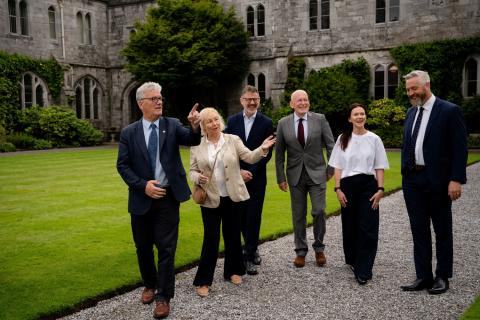
Representatives of civil society, academia and public authorities gathered at University College Cork (UCC) on 30 June for a conference entitled Civil society driving the EU sustainability agenda, organised by the European Economic and Social Committee’s (EESC) Civil Society Organisations’ Group. Participants from across Europe discussed how civil society can help advance and shape sustainable development, strengthen democratic participation and support Europe's long-term resilience.

In his inaugural remarks, Cillian Lohan, President of the Civil Society Organisations’ Group, reaffirmed the group’s longstanding commitment to sustainable development and called for renewed ambition as Europe looks beyond the UN’s 2030 Agenda for Sustainable Development. He stressed that sustainability remains essential not only for environmental protection, but also for economic prosperity, democratic resilience and strategic autonomy. Public engagement and countering negative narratives on the energy transition are key. 'The aim of this conference was to give fresh momentum to the European sustainable development agenda - at a time when sustainability policy is coming under increasing pressure, despite being urgently needed. Our event also highlighted the role of local communities and civil society organisations in designing, implementing and monitoring sustainability measures that make our communities more resilient.'

Professor John O’Halloran, UCC President, welcomed participants and highlighted the university’s commitment to addressing global sustainability challenges through research, education and engagement with communities. 'We are honoured to host this prestigious event at University College Cork, and to welcome partners from across Europe to engage in these important discussions. Through our research and education, UCC is focused on addressing the most pressing global sustainability challenges and on working with communities and stakeholders to help shape a more resilient and sustainable society.'

The conference took place on the eve of the start of the Irish Presidency of the Council of the EU. Participants examined key challenges, including climate change, biodiversity loss, energy independence, competitiveness, democratic resilience and implementation of the 2030 Agenda with its 17 SDGs.

Addressing the conference, Christopher O’Sullivan, Irish Minister of State for Biodiversity, underlined the importance of restoring nature and ensuring that Ireland is prepared to implement the EU Nature Restoration Law. 'Delivering on the Nature Restoration Law is my top priority as Minister for Nature. I am currently working with colleagues across government to put the necessary resources and supports in place so that Ireland is ready to grasp this once-in-a-generation opportunity and ensure we can all share in the benefits of a healthy, thriving natural environment.'

The keynote address was delivered by Frans Timmermans, former Executive Vice-President of the European Commission and architect of the European Green Deal. Reflecting on the multiple challenges facing Europe and the world, he emphasised the importance of an empowered and engaged civil society.

'Never before has humanity faced so many challenges at the same time. Climate change, industrial revolution, geopolitical upheaval, social disruption: all these challenges need to be addressed at the same time. Because this affects societies at every level, civil society will play a crucial role in determining whether we succeed or fail in tackling all these challenges. Empowering civil society is essential'. He underlined that civil society should be part of every step. The energy transition and environmental policies could only succeed if they had a strong socio-economic dimension that guaranteed a just transition. 

A panel discussion entitled 'Civil society at the steering wheel of the sustainability agenda' brought together experts from the fields of sustainable development, public health, youth engagement and environmental advocacy to explore how civil society organisations could continue to contribute to EU policymaking and implementation.

Among the speakers, Karen Ciesielski, Chief Executive Officer of the Irish Environmental Network, highlighted the indispensable role of civil society organisations in connecting citizens and policymakers.

'We bring local knowledge, practical experience and public trust into conversations that can otherwise feel remote or technical. We help connect communities to decision-making and keep long-term environmental and sustainable development goals in view, even when the political climate is difficult. In order to have strong civil society networks and institutions, we need them to be sufficiently funded and supported, with clear pathways for engaging with decision-makers.'

The conference forms part of a broader series of initiatives led by the EESC Civil Society Organisations' Group, including events in Larnaca (in the framework of Cyprus’ EU Council Presidency) and Brussels and recent work on the circular economy. The results of the conference will inform the work of the group, which focuses in its current term on empowering resilient communities, defending democracy, contributing to peace and promoting the sustainable agenda. The group is also advocating a long-term EU budget for 2028-2034 that is guided by a clear European ambition and delivers what is needed for democracy, civil society and social inclusion.

Editors

Ewa Haczyk-Plumley (editor-in-chief)
Laura Lui (ll)

Contributors to this issue

Chrysanthi Kokkini (ck)
Daniela Vincenti (dv)
Giorgia Battiato (gb) 
Julika Enbergs (je)
Jasmin Kloetzing (jk)
Katarzyna Karcz (kk)
Katerina Serifi (ks)
Laura Lui (ll)
Leonard Mallett (lm)
Marco Pezzani (mp)
Margarita Gavanas (mg)
Margarida Reis (mr)
Millie Tsoumani (at)
Pablo Ribera Paya (prp)
Samantha Falciatori (sf)
Thomas Kersten (tk)
Parminder Mudhar (pm)
Dimitra Panagiotou (dp)

Coordination

Giorgia Battiato (gb)
Leonard Mallett (lm)


Address

European Economic and Social Committee
Jacques Delors Building,
99 Rue Belliard,
B-1040 Brussels, Belgium
Tel. (+32 2) 546.94.76
Email: eescinfo@eesc.europa.eu

EESC info is published nine times a year during EESC plenary sessions. EESC info is available in 24 languages
EESC info is not an official record of the EESC’s proceedings; for this, please refer to the Official Journal of the European Union or to the Committee’s other publications.
Reproduction permitted if EESC info is mentioned as the source and a link  is sent to the editor.


July 2026
06/2026

Follow us

  • Facebook
  • Twitter
  • LinkedIn
  • Instagram