The efficient functioning of transport is a precondition for the European economy. Employing 10 million people, this sector accounts for approximately 1,000 billion Euros per year, more than 10% of the EU's GDP. At the same time, transport is also the cause of significant social and environmental impacts which require effective responses from the European society. The EESC, though its TEN Section, has set itself the role to assess the EU transport system from a wide and pluralist perspective, taking into account the viewpoints of all the segments of the European civil society.
Transport being a major EU competence, most of the TEN section activities are mandated by the European Commission and the Council. However the TEN Section also produces own-initiative and exploratory opinions on emerging transport subjects and has a permanent study group on the trans-European transport networks. Transport-related opinions account for more than half of the number of opinions produced by the section each year.
As emphasized in its 2007 opinion on the mid-term review of the White Paper on the European transport policy for 2010, the EESC recognizes that the transport system needs to be optimised to meet the demands of EU competitiveness, enlargement and sustainable development. It has repeatedly underlined that European transport policy must link with the three pillars of the EU's sustainable development strategy, particularly in the field of infrastructure. Investments must make a positive contribution to economic growth, social welfare and the quality of the environment.
In 2008, the EESC has also adopted opinions in the fields of road and rail transport including urban mobility, the working time of self-employed drivers in road-transport, trans-european networks, cross-border enforcement in the field of road safety, a rail network giving priority to freight, the freight transport logistics action plan, and the access to the international road haulage market. The Section is currently addressing the Greening of Transport Package, adopted by the European Commission on 8 July 2008, through the preparation of two opinions on the strategy to Internalise the External Costs of Transport and the Proposal for a Directive on road tolls for lorries, respectively. The link between energy and transport issues will remain a central concern for the EESC, which has adopted an own-initiative opinion on The social consequences of the transport-energy binom in its 4 December Plenary Session.
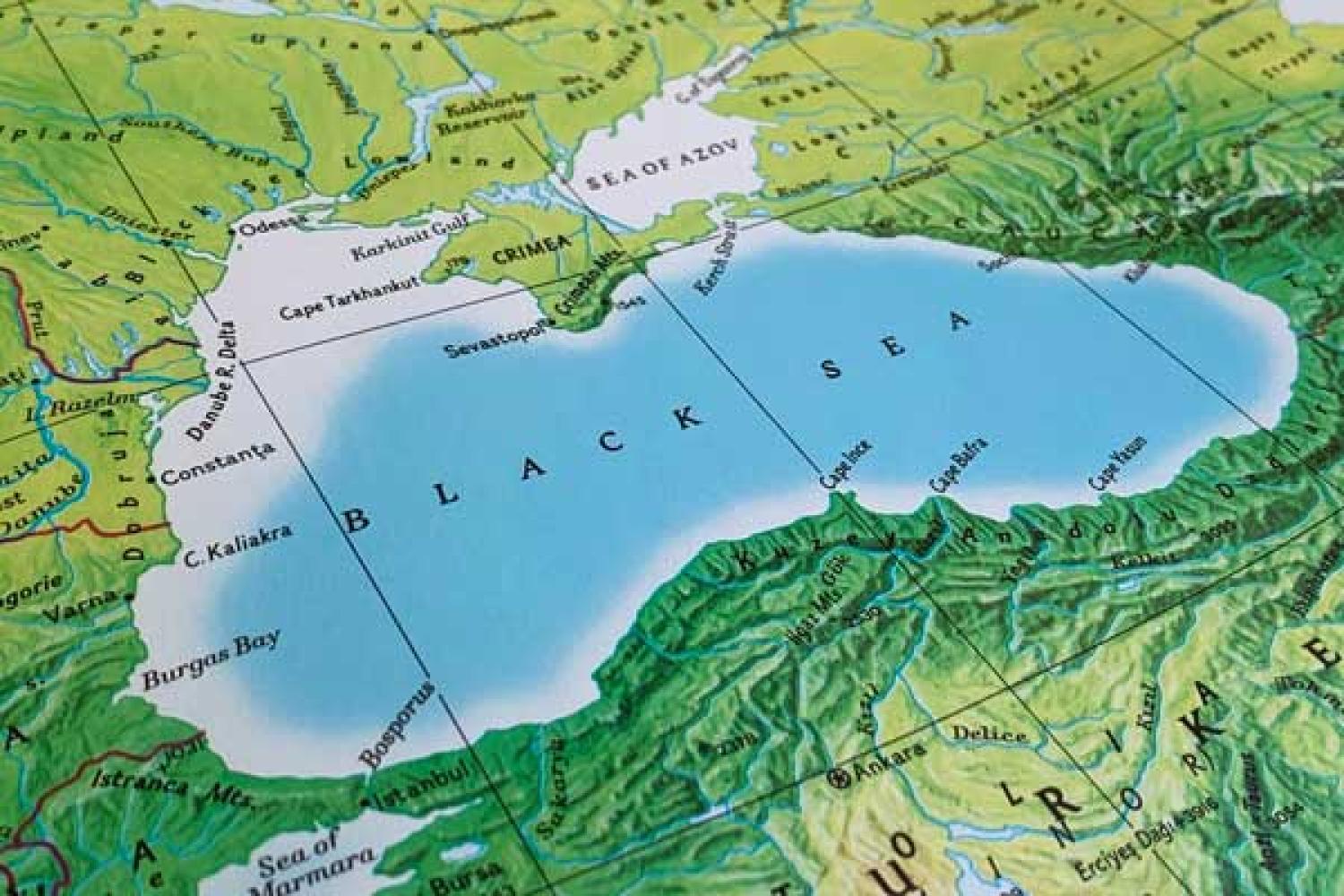
As far as maritime transport is concerned, the EESC adopted in April 2008 its opinion on An Integrated Maritime Policy for the European Union and in July 2008 the opinion on the European Commission’s new ports policy. Moreover the Committee confirmed in its exploratory opinion on Motorways of the sea and their integration in the logistic chain (adopted in January 2008)its full support for measures to further develop and promote short sea shipping.
In the field of air transport, the Section is currently preparing an opinion on Increasing the performances of the European aviation system which tackles the Commission Single European Sky II package and the proposal aiming to extend the competences of the European Aviation Safety Agency (EASA) in the field of aerodromes, air traffic management and air navigation services. The EESC has adopted in its October 2008 plenary an own-initiative opinion on Airport Security measures in order to seize the momentum created by the latest revision of the Framework Regulation on aviation security (March 2008).
Public hearing in the framework of the opinion ECO/347, held on Thursday, 30 May 2013 at the EESC´s premises in Brussels. The hearing will gather representatives of the financial sector as well as organisations representing the stakeholders in financial markets. The aim is to explore the various demands and needs and make a first attempt at identifying common trends that the EESC can put forward in its opinion on behalf of organised civil society .
The TEN section focuses its work on keeping the right balance between the three pillars of EU energy policy: competitiveness, sustainability and security.
The new White Paper from the European Commission entitled “Roadmap to a Single
European Transport Area – T owards a competitive and resource-efficient transport
system”, which was adopted by the Commission on 28 March 2011, constitutes the
basic reference for the work of the TEN section in the field of transport.
TEN section work in this area is based on an in-depth analysis of information and
communication technologies (ICT) and their impact on society, taking into account
the expectations of European civil society organisations.
The EESC permanent study group will continue to identify and promote the
expectations of organised civil society as regards services of general interest,
which, whether economic or non-economic, do much to promote the social and
territorial cohesion of the European Union.