Europe 2020 - Steering Committee

Highlights


New mandate of the Europe 2020 Steering Committee


On 17th April 2013 the EESC Bureau has decided to renew the mandate of the Europe 2020 Steering Committee for 2013-2015 period. The Steering Committee has a horizontal mandate in order to integrate the concept and the EU working programme of Europe 2020 in the daily activities of the EESC Sections, CCMI and the Observatories and to stimulate national ESCs and similar organisations to take an active part in national programmes related to Europe 2020, notably the National Reform Programs (NRP).


It also allows the various bodies of the EESC to interact more effectively as well as work jointly with national stakeholders in identifying problems and promoting particular initiatives and best practices in the ongoing adjustment processes in the Member States.


Europe 2020 - Introduction


The Europe 2020 Strategy is the current EU reform agenda for growth and jobs.  Driven by a long-term vision, this overarching policy strategy was proposed by the European Commission, and then agreed by the European Council in June 2010.

It aims at helping Europe to recover from the crisis and to transform it into a smart, sustainable and inclusive economy with high levels of employment, productivity and social cohesion and at reinforcing the EU as an actor in global governance.


Europe 2020 builds on lessons learned from the Lisbon Strategy, recognising its strengths (e.g. the right goals of growth and job creation), but addressing its weaknesses (e.g. lack of implementation). The current strategy pleas for a new kind of growth (smart, sustainable and inclusive), for a country-tailored approach and counts on stronger governance: better monitoring and enforcement, highest leadership of the European Council, etc.)


Europe 2020 mobilises all existing EU policies (Single market, external policy, etc.) instruments and laws, as well as financial and coordination instruments (Multiannual financial framework).


Priorities, Targets, Flagship initiatives


The strategy rests on three interconnected and mutually reinforcing priority areas:

  • smart growth:  developing an economy based on knowledge and innovation;
  • sustainable growth: promoting a low-carbon, resource-efficient and competitive economy;
  • inclusive growth: fostering a high-employment economy delivering social and territorial cohesion.


Progress to growth will be evaluated against five measurable headline EU-level targets, which Member States have to translate into national targets.


These targets relate to

  • Employment – the aim is to raise to 75% the employment rate for women and men aged 20-64, including through the greater participation of young people;
  • Education - improving education levels, in particular by aiming to reduce school drop-out rates to less than 10% and by increasing the share of 30-34 years old having completed tertiary or equivalent education to at least 40%;
  • Sustainability - reducing greenhouse gas emissions by 20% compared to 1990 levels; increasing the share of renewables in final energy consumption to 20%; and moving towards a 20% increase in energy efficiency;
  • Research and development -  aim of raising combined public and private investment levels in this sector to 3% of EU's GDP;
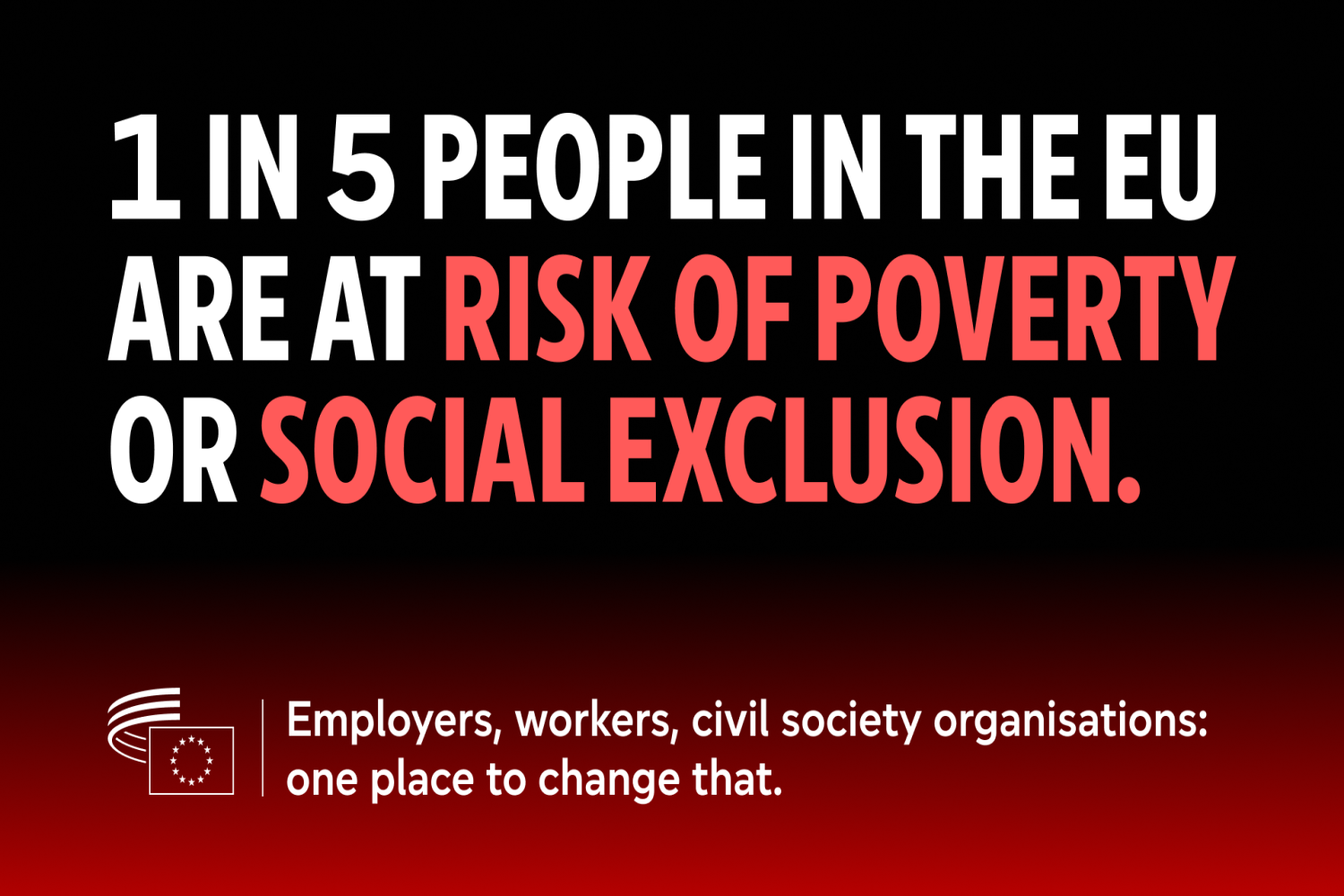
  • Social inclusion - Lifting at least 20 million people out of the risk of poverty or exclusion


In order to meet these targets, the Commission proposed a series of seven flagship initiatives: "A Digital Agenda for Europe", "Innovation Union", "Youth on the Move", "Resource Efficient Europe", "An Industrial Policy for a Globalisation era", "An Agenda for New Skills and Jobs" and "The European Platform Against Poverty".