In a modern and democratic society, it is vital to have the support of active and committed citizens, as well as of the organisations in which they come together to give a voice to their concerns, in order to realise political ambitions and objectives.
The economic globalisation of today means that decisions are being taken further and further away from the persons affected by them. Ensuring participation of grassroots-level players, through their representative organisations, in policy-shaping and decision-making processes is therefore a key instrument to reinforce the democratic legitimacy of public institutions and their work and activities. Their involvement furthermore facilitates the emergence of a new consensus on the sense and direction of public affairs and makes it possible to shape policies and to make decisions in the general interest.
The current challenges facing the European Union and the growing complexity of the issues at stake are such that the involvement of civil society organisations is now more than ever of particular relevance. Through their experience, expertise and specialised or technical knowledge of the topic in question, the quality and credibility of political decision-making can be greatly enhanced. Furthermore, their participation contributes to a better understanding and acceptance by the public of the decisions, and thus to their implementation in a more effective way.
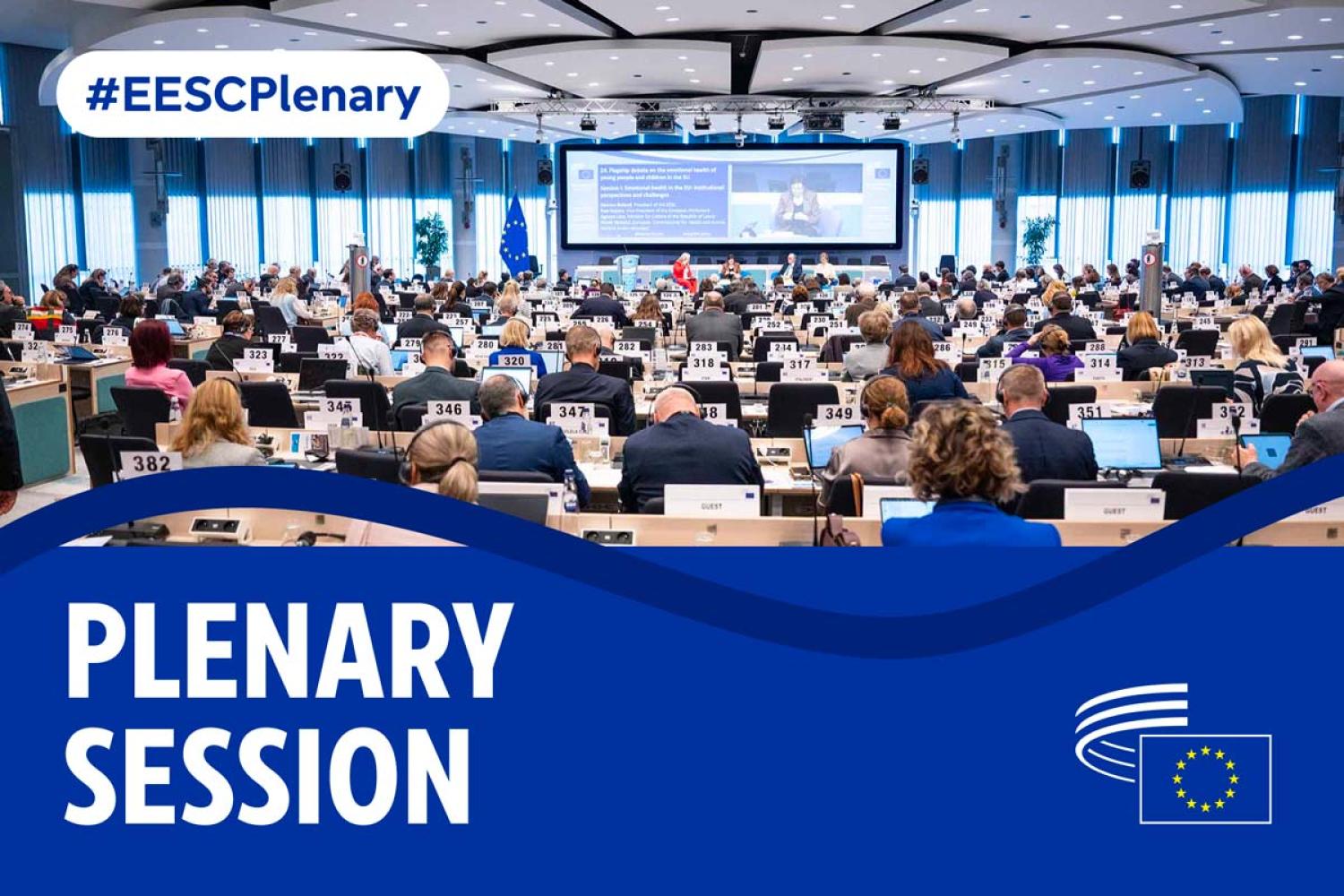
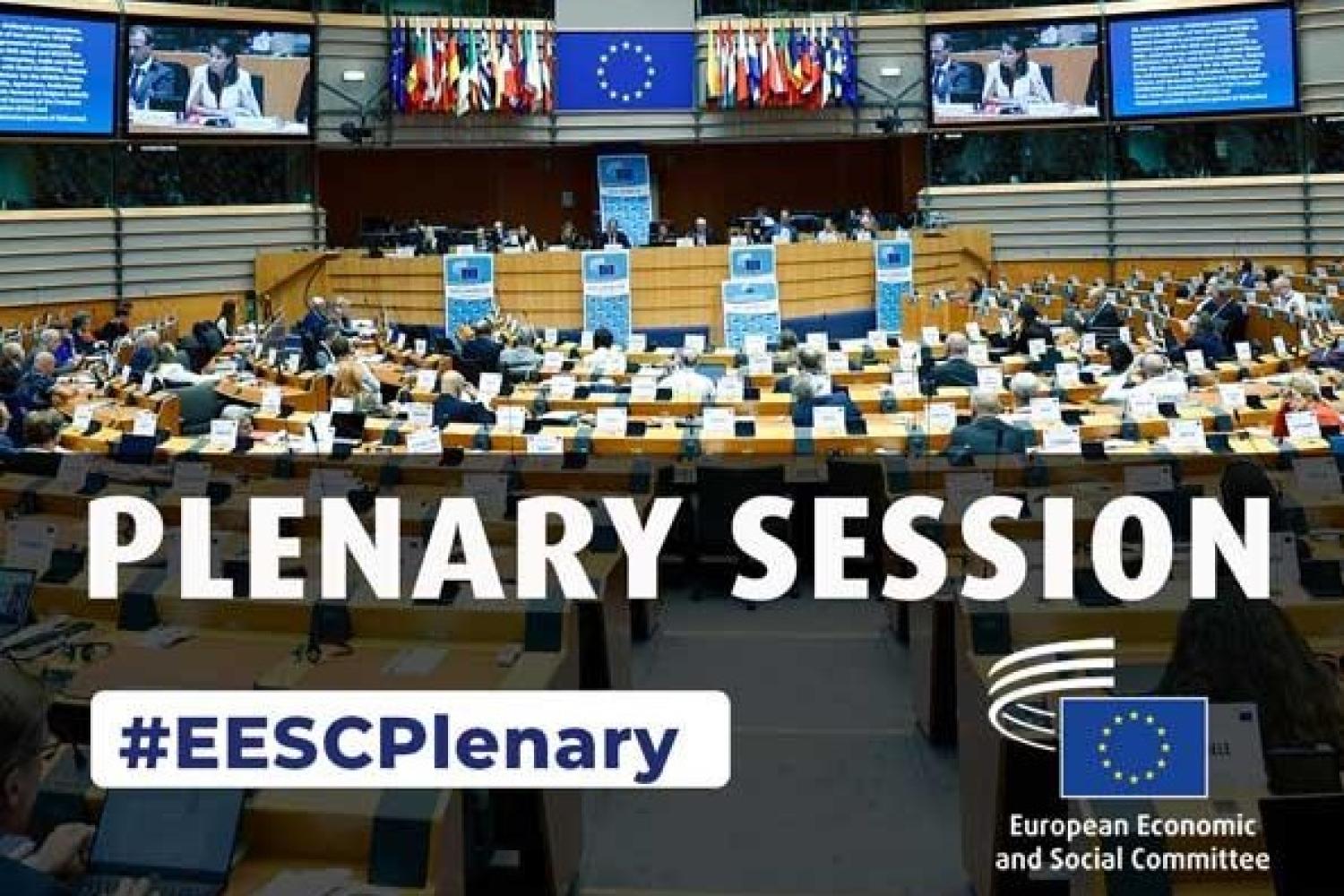
In view of the role assigned to the European Economic and Social Committee (EESC) by the Treaties and in the light of its membership and the expertise of its members, the Committee is, in the overall EU institutional framework, the ideal forum for representing civil society organisations in the different Member States, expressing their views and providing them with information. The EESC therefore provides a vital bridge between the EU and civil society and has an essential role to play in promoting greater support for and participation by civil society organisations in the European venture. This role has been enshrined since 2001 in the framework of the cooperation protocol with the Commission, which stresses the Committee's specific contribution in meeting the need for better democratic expression in the building of Europe.
Over the past ten years or so, the Committee has taken numerous initiatives and implemented reforms to ensure as broad a representation as possible of organised civil society and, in particular, to strengthen its cooperation with European civil society organisations. Such organisations have, for instance, increasingly become involved in the Committee's work through a variety of channels, such as hearings, conferences, seminars, information meetings and debates.
The Committee made a further step towards stronger and more structured cooperation with European civil society organisations and networks by deciding, in February 2004, to set up a Liaison Group with those organisations and networks. As both a channel of communication and a structure for political dialogue, this framework for cooperation gives the Committee the opportunity to play more fully and more effectively its role as intermediary between the EU institutions and organised civil society. Furthermore, it provides civil society organisations with a specifically designated forum for dialogue and debate, thus contributing to optimising synergies between different players of organised civil society on issues of common interest.
The role of the Committee as the institutional representative, at European level, of organised civil society in its different forms, was strengthened already by the Nice Treaty. With the entry into force of the Lisbon Treaty on 1 December 2009, the Committee has additional scope to fully play its role of pre-eminent intermediary between organised civil society and the decision-making bodies of the EU.
Indeed, significant prospects for the development of participatory democracy are opened through Article 11 of the new Treaty on the European Union, which lays the foundations for the future establishment of a genuine structured civil dialogue at European level alongside the political dialogue between the EU and its Member States and the social dialogue with the social partners, thereby ensuring sustainable participation of organised civil society in the European political process.
In this context, the EESC has a particular responsibility in bringing participatory democracy to life. In view of its membership and role, as laid down in the Treaties, and in partnership with the other institutions, the Committee's purpose is to be even more in the future the means of developing participatory democracy and civil dialogue at Union level.
For more information, Mr Patrick Fève is at your disposal:
Tel.: +32 2 546.96.16
Fax: +32 2 546.94.69
E-mail: Patrick Fève
“In Germany we have lots of experience of the breakdown of the German Democratic Republic, and all the trouble that it brought. I tried to apply that experience to the process of enlargement, together with colleagues from the newer Member States.”
He argues that promoting European unity and solidarity is particularly relevant to German citizens. “Germany caused a lot of problems and suffering in the rest of Europe during World War II,” he explains. “That is not forgotten. We still have an open commitment to fulfil.”
The Durban-negotiations may end up with concrete measures to fight climate change, or maybe Roadmaps for individual countries, or with improvements of the Climate Fund - or with just diplomatic talk and no concrete results. The final results will only be known when we are on the plane, going back.
In this post, Ms Slavova gives us two perspectives of the outcome of the Climate Change Conference: the disappointment of environmental advocates, but also the significant steps achieved in Doha.
For the past year Europeans have been able to exercise a new EU right: the right to propose legislation on matters where the EU has competence to legislate, on condition that the initiative is backed by at least one million citizens from seven EU Member States. The challenges and the struggles which initiators face (the online signature collection system, data protection, language barriers and different national verification requirements) are symptomatic of the state of European integration. Some may disagree, but I think more integration makes for a more democratic EU. The further the EU moves towards integration, the easier it will be to get such transnational initiatives off the ground. The European citizens' initiative (ECI) is an ideal adjunct to – and indeed a consolidation of – the EU's system of representative governance. So have you signed up to any yet? Take a look at the list of all citizens' initiatives registered here.
Civil society wants Europe to show, on 22 May, that it is able to put a stop to tax havens, at least within its own borders. The public are looking on with a mixture of incomprehension and incredulity, and see an urgent need for action: while their taxes are being raised to address endless government deficits, they can read stories in the newspapers every day about individuals and businesses avoiding taxes thanks to tax havens within the European Union itself. And this week, Europe has once again failed to put a stop to it.