This summer we called for nominations for the EESC 2011 Civil Society Prize. This year we want to reward civil society initiatives which serve EU values such as diversity, tolerance, solidarity and integration, by seeking to diminish and prevent the societal effects of xenophobia and xenophobic nationalism, which are on the rise in Europe. Politicians need to avoid making xenophobic, populist and also Euro-sceptic speeches and promises. Those affected by the crisis in particular may feel resentment towards politicians in general, towards a Europe they perceive as remote and demanding, and towards immigrants. Why this resurgence of populist nationalism and xenophobia? What do we need to counteract all this?
Read More...The decisions taken on 21 July for rescuing Greece and other Eurozone countries are not bad news and they are not good news either. What was absolutely needed has been done, at a time of high risk for Greece and for the Eurozone. It is not bad news because the Greek state will benefit from lower interest rates thanks to the help of other Member States. As a consequence, this will reduce the weight of the burden on the Greek people's shoulders. This is solidarity at work for a safer Eurozone. It is not good news because the Greeks will have to make huge efforts to reduce the debt. I believe in their resilience to do so. Still, we need to be aware that the Greek people will suffer more than others. The poor and the most vulnerable, and young people, could be the ones to pay the price.
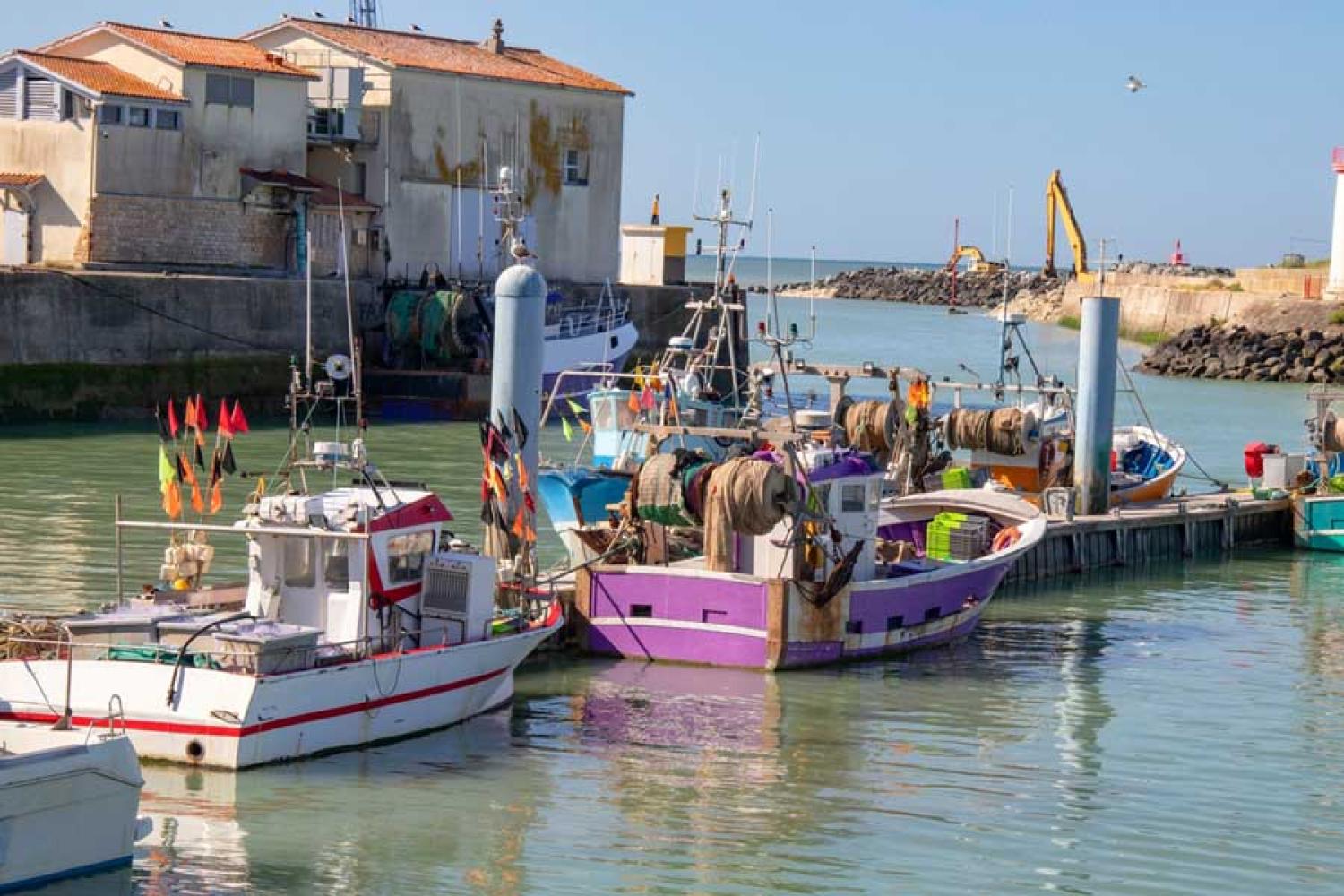
Read More...Fisheries have been no exception in these times of EU reforms. Today the Council has discussed the European Commission's proposal on the reform of the Common Fisheries Policy (CFP). I believe that Commissioner Damanaki's plan for the new policy is a good one, since we need serious changes today in order to ensure sustainable fishing communities in the long term. The proposal is not enough, however. While we need to plan for the long term, some measures need to be implemented urgently. Is the fisheries industry not one area in which austerity measures would help the sector to become more economically healthy and sustainable? If we want yields to rise again and future generations to have fish on their plates, we need to stop overfishing now and allow marine biological resources to recover. Sharing this “burden” amongst the fishermen and coastal communities of Europe is going to be a huge task which will require strong political leadership. And something more: fishermen and all related industries must be involved in all reforms.
Read More...The newly-inaugurated Polish Presidency will act as a tonic for Europe. For two main reasons: first, with its ambitious programme based on pro-European values, Poland is promoting greater EU integration in the interests of growth, especially in the current euro crisis; second, the strong commitment of the Polish government shows that "new Europe" is becoming an old-fashioned label for some of the Member States that joined the EU in 2004.
Read More...Over the past few days, I had the opportunity to meet a number of leaders and economic and social players from Africa, Caribbean and Pacific (ACP) countries gathered together for the 26th meeting of ACP-EU economic and social interest groups. Under the Cotonou Agreement, the EESC is tasked with organising regular consultation with representatives of ACP economic and social players in order to strengthen ACP-EU relations. I believe that wherever and whenever possible, we can promote gradual political change. We need to support the African countries – provided this support is accompanied by economic, social and political reforms. We have to act in solidarity, and make a shift from aid to smarter development policies which include the involvement of civil society in the reform processes
Read More...José Manuel Barroso presented a framework and a good basis for discussions on the EU budget review in October last year, ahead of the proposals for the upcoming financial framework beyond 2013 to be launched by the European Commission next week. Undoubtedly this is a crucial moment for the future of Europe and, to my surprise, one which went by almost unnoticed. Couldn’t this have been the time to build momentum around a public debate, without taboos, on the EU’s major objectives and the future budget serving them?
Read More...On 23 May we tried to find answers to the above question. The title of the international conference: Food for everyone – towards a global deal, which we organised together with the European Commission, reflects our vision for global food security. Global players and politicians have, on so many occasions, discussed ways of banishing hunger and poverty, yet still one in six people on the planet struggles to find enough food to live on. What new inputs into global discussions emerged from the EESC conference? I would say focus and a reminder to the EU and international players that we need to stick to the commitment agreed in 2000 under the Millennium Development Goals to halve poverty and hunger by 2015. There are only about 1 300 days left!
Read More..."Nine billion people will inhabit the Earth by 2050. Each person will need water and food. Population increase, the demand for agricultural products from emerging economies and environmental changes, all intensified by food price volatility, energy demand and urbanisation are just a few of the challenges of global food security. These challenges are complex and the solutions must be equally varied and tailored. Exposed to food price volatility and extreme fluctuations in agricultural commodities, too many people in developing countries struggle to feed themselves and their families. "...
Read More..."To my great sadness, the recent discussions on re-instating border control in Europe have been taking place without the slightest consideration on the part of certain politicians for the basic human rights of those affected, which makes me really wonder: where are we headed with our democratic, human rights-based values in Europe? It may be that our societies are close to burnout and that we are experiencing some kind of democratic fatigue. If our European societies are going through a phase of disenchantment mainly as a result of the economic crisis, could this explain the extremist tendencies that betray a lack of respect for the disadvantaged?"
Read More...Thanks to EU-Brazil Civil Society Round Table, which ended just yesterday in Brasilia, I have acquired a deeper insight into this vibrant nation. Brazil is a country to which we Europeans could start paying more attention and from which we have much to learn. As an emerging economic power and given the proven impact of civil society input into the country’s social inclusion policies, I feel Brazil deserves more credit for its increased involvement in the global political agenda. We had the opportunity to meet Brazilian civil society and discuss topics related to food security, inevitably linking it to agricultural production and resource management, and the need to make it sustainable in social, economic and environmental terms.
Read More...