EESC website

EESC website

Follow me


Interactive

Staffan Nilsson at a press conference at the European Parliament on the citizen's agora eventEESC President about the cooperation with the European Parliament at the "Citizen's Agora" event

Staffan Nilsson at the European Parliament


EESC: a bridge between Europe and organised civil society

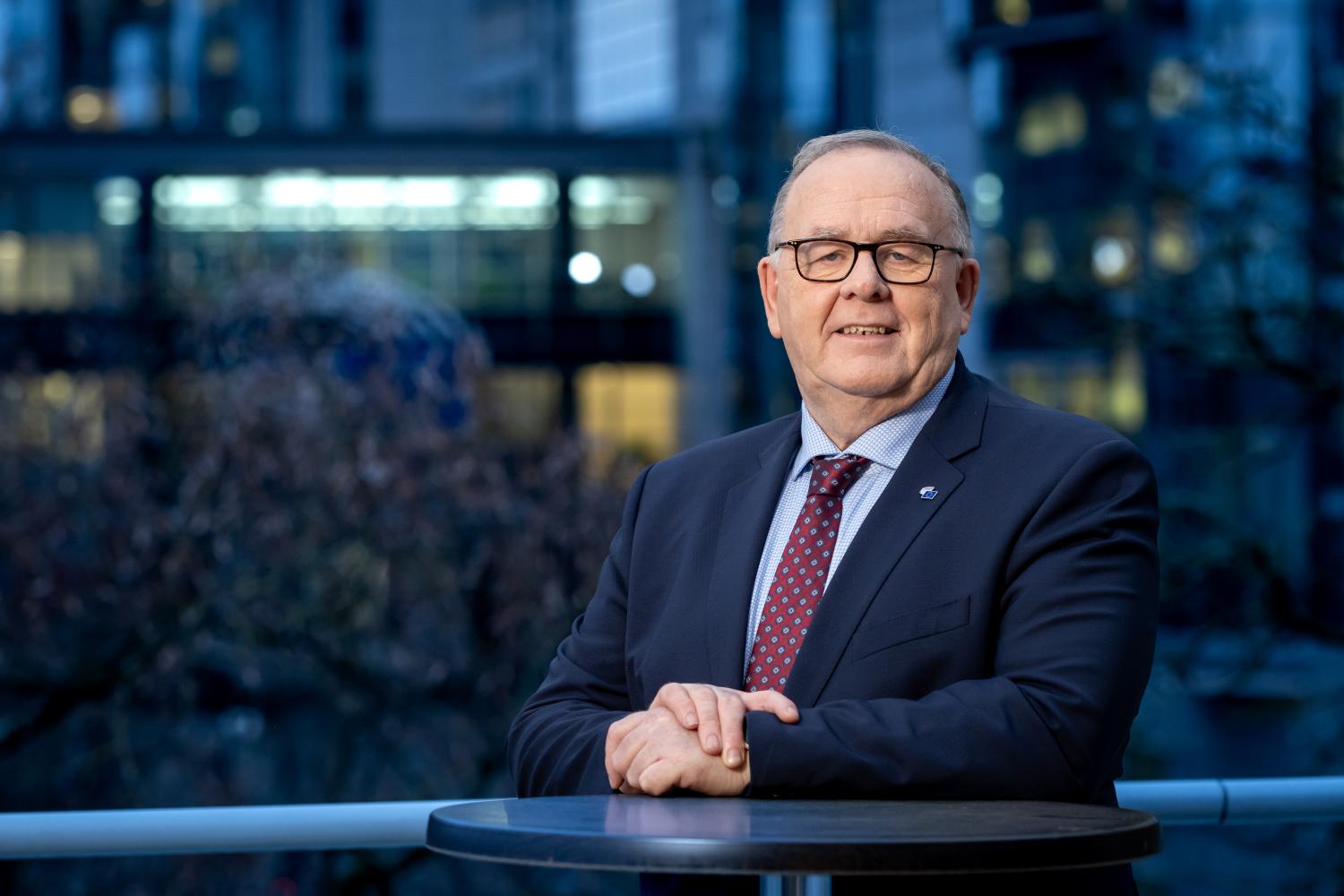
Portait of Staffan Nilsson

Staffan Nilsson's Portrait

Homepage Banners

EESC President Henri Malosse

  Logo of CESlink - Online cooperation between Economic and Social Councils

Valid XHTML 1.0 Transitional Valid XHTML 1.0 Transitional


Staffan Nilsson's Comment (former EESC President 2010-2013)

Archive: November 2011

The elephant in the room

21 Nov 2011

By: Staffan Nilsson

From left to right: Muhammad Yunus, Waldemar Pawlak, Michel Barnier, Staffan Nilsson. © European Union, 2011

Imagine a world where your broker recommends a stock that empowers disabled people, or a bond that provides a financial return while at the same time supporting the education of under-privileged young people in Europe!

Last Friday, social business was taken up jointly by Commissioners Barnier, Andor and Tajani at a high-level event to promote the Commission's recent policy proposals on social entrepreneurship, a field in which the EESC has been an active and consistent contributor. Muhammad Yunus, who won the Nobel Peace Prize for having invented the micro-credit, attended the event, along with many other enthusiastic people working in the field. The Commission's President Mr Barroso together with the other Commissioners present, Mr Yunus and a number of social entrepreneurs had clearly concluded that there was an elephant in Europe's room that no one had really seen before: social enterprises.

Read More...

Civil society to make economy meet social needs

16 Nov 2011

By: Staffan Nilsson

What we call civil society is a term describing all forces of life that have not been elected but are anyway very much engaged with our societies. At the EESC we have been building up a pragmatically oriented culture of dialogue and compromise between different interests. It is of course not easy to negotiate reforms and make so different cultures and interests converge. Some Member States demonstrate before they negotiate, while some others prefer to reach agreement through conflict. Some just do not want to negotiate at all. In other Member States there are politicians who use the current economic and social turmoil to strengthen their political party interests instead of seeking to solve the crisis.

Read More...

When Greek leaders got direct democracy wrong

2 Nov 2011

By: Staffan Nilsson

Greece will hold a referendum on the bailout package. It may seem as the best way to do in a democracy, but it shows poor leadership and may only be to reinforce political legitimacy of a prime minister and his government. The proposed referendum goes actually against true democracy because public opinion is under threat of losing welfare benefits. Fear is not a good advisor and direct democracy would only empower fearful people who now need now a self-controlled and firm leader to drive them.

Read More...