Publications
-
Published In: 2013
6 pages
The EESC and Turkey
The role of the EU-Turkey Joint Consultative Committee (JCC) created by the EESC in 1995 is to promote interaction between the economic and social actors of organised civil society in the EU and Turkey.
-
-
Published In: 2012
2 pages
EESC Position paper - Croatia
On 1 July 2013, Croatia will become the 28th Member State of the European Union. The country's accession comes 10 years after it first applied for EU membership in 2003.
-
Published In: 2012
2 pages
Civil society in the southern Mediterranean
«In the Euro-Mediterranean region, 2012 and beyond will be about dealing with realities on the ground and turning the political will for transition into positive results for the people. We need to help them with measures that are directly relevant to the challenges they are facing. This has led the EESC to explore new avenues to ensure that local civil society can make its voice heard and respected in decision-making at national level and in the countries’ relations with the EU.»
Dimitris Dimitriadis, president of the EESC Euromed Follow-Up Committee
-
Published In: 2012
6 pages
The EESC and the EU’s Eastern Neighbours
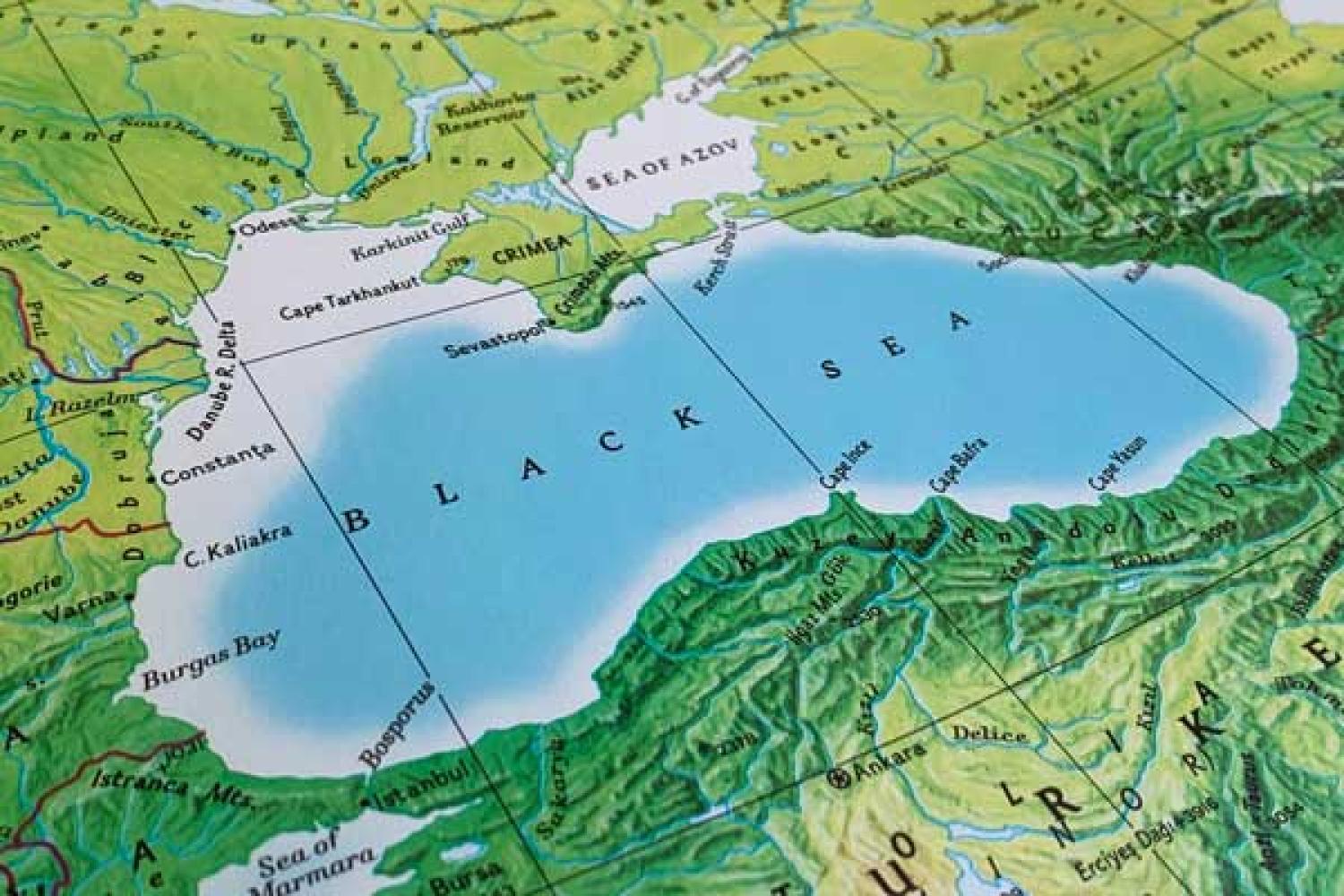
The EU’s policy towards its eastern neighbours consists of the European Neighbourhood Policy (ENP)complemented by the Eastern Partnership (EaP) and the Black Sea Synergy initiatives. This policy has both multilateral and bilateral dimensions and its main objective is to increase political stability and economic prosperity in the region through reforms, while also enhancing regional security and conflict resolution through increased regional cooperation.
-
Published In: 2012
6 pages
The EESC in the African, Caribbean and Pacific – European Union partnership
Since the 1970s, the European Economic and Social Committee (EESC) has been involved in ACP-EU relations and has organised regular meetings with economic and social interest groups from the ACP countries. These meetings have provided an opportunity to discuss the concerns and priorities of these actors and to forward recommendations to the relevant political authorities at the national, regional and international level.
-
Published In: 2012
9 pages
Section for External Relations
In recent years, the international relations of the European Union have opened up to new actors from civil society, and the international agreements signed by the EU include arrangements on an almost systematic basis aiming to establish dialogue at civil society level. In its capacity as institutional representative of European organised civil society, the European Economic and Social Committee’s role is therefore evolving. Nevertheless, its core task remains that of supporting the EU’s external activities by conducting a dialogue with the civil society organisations of the non-EU countries and geographical groupings with which the EU has formal relations.
-
Published In: 2012
6 pages
The EESC and the Mediterranean
The events of the «Arab Spring» and the political, social and economic changes that have resulted from them are today the main theme of relations between the European Union and the Mediterranean partner countries, and are likely to remain so for the foreseeable future.
The EESC’s mission both in the past and the present has been to involve socio-economic players and other civil society representatives in policymaking in the region. The EESC firmly believes that this is vital for the overall success of policies and is fully committed to developing the civil society dimension of Euro-Mediterranean cooperation.
-
Published In: 2012
6 pages
The EESC and Latin America
Relations between the EESC and Latin America have represented an important aspect of the work of the Section for External Relations for more than 10 years.
The EESC’s work with Latin America is pursued within the framework of the EU’s policies regarding the region. In practical terms, the EU-Latin America-Caribbean Bi-regional Strategic Partnership, unveiled by the European Commission in 2006, and the negotiations for Association Agreements with Central America, Colombia, Peru, Mercosur and the EU-Brazil Strategic Partnership, have prompted a parallel increase in work by organised civil society on both sides.
-
Published In: 2012
6 pages
The EESC and the Western Balkans
The European Economic and Social Committee (EESC) has developed a dual approach, regional and bilateral, for its relations with civil society organizations (CSOs) of the Western Balkans. Both are linked by common global objectives, which are:
• to contribute to the consolidation of democracy and the future accession to the EU;
• to foster both civil and social dialogue;
• to strengthen civil society networks;
• to increase exchange of experiences and best practices.
-
Published In: 2013
6 pages
The EESC and Turkey
The role of the EU-Turkey Joint Consultative Committee (JCC) created by the EESC in 1995 is to promote interaction between the economic and social actors of organised civil society in the EU and Turkey.
-
View All