Where is the euro headed?

14 May 2013
Ongoing References: ECO/334 Own-initiative Rapporteur: Carmelo CEDRONE (Workers - GR II / Italy)

Ten years on, where is the euro headed? The EU's economic and political future and the new Treaty

Key points


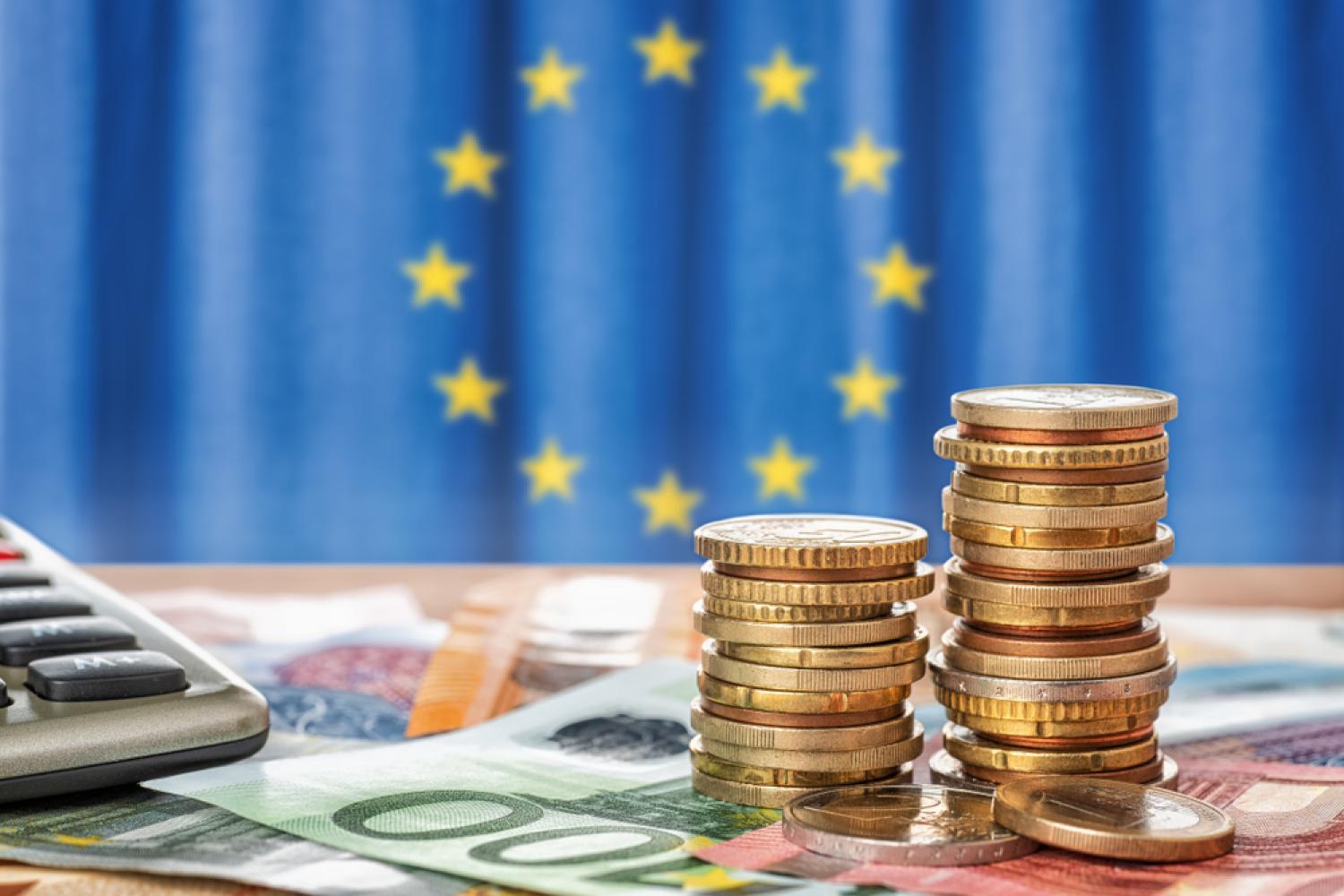
The EESC considers the establishment of the euro and Economic and Monetary Union (EMU) to be the most significant milestone in Europe's development. However, when the international economic and financial crisis struck, washing over the EU, it set alarm bells ringing and exposed the structural limitations and contradictions in EMU, depriving the euro of its propensity to attract. It was initially thought that all it would take to make EMU work was a set of "accountancy" rules such as the stability pact, whereas the problem was not technical but economic and political.


The EESC recognises the importance of stability. Yet stability must concern not only prices or financial institutions but also politics and social conditions. The EESC is convinced that austerity cannot be sustained politically for long: the line has already been crossed in some countries.


This is why the EESC believes that a single currency will be unsustainable unless we achieve convergence between the economic capacities of the euro area countries and improve overall competitiveness, objectives which require economic as well as political commitment. We therefore need to make a qualitative leap, bringing together not only the currency and the economy, but politics, sovereignty, people and the capacity for dialogue between European peoples. We need more political integration and less dirigisme and a social market economy to spread growth and employment and to restore perceptions of the euro as an advantage.


The Treaty on Stability, Coordination and Governance stresses stability without proposing joint financial instruments for recovery and employment. Europe needs to go back to generating wealth in order to redistribute it fairly.


The EESC believes that the best way to complete EMU, avoid recession, reduce national debts and stabilise budgets is to reverse the principle currently underpinning the EU's economic culture (stability for growth), and build on growth, not austerity, thereby making it the main objective, in order to facilitate a new pact for promoting (mutualising) growth, employment and stability, also by involving the social partners (growth for stability).